
Plants
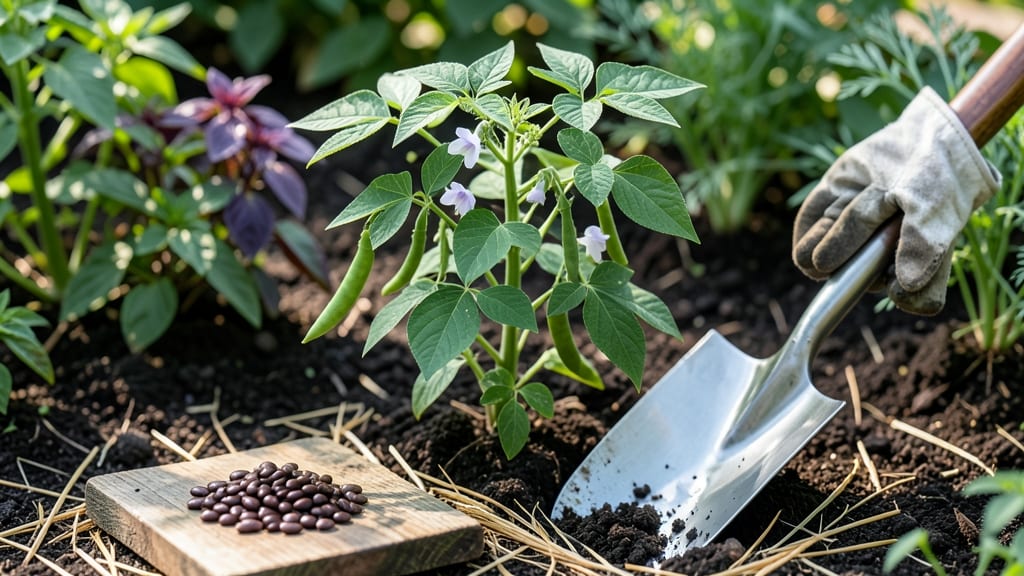
Knowing when to plant beans in Iowa is the key to a thriving garden—getting the timing right means the difference between a bumper crop and a wasted effort. Plant too soon, and you risk bolting—those bitter, flower-filled plants that never produce pods.
Too late, and you’ll miss the growing season entirely, leaving your garden empty when harvest time rolls around.
Iowa’s USDA Zones 5a-5b give you a narrow window—April 15 to June 1—to get seeds in the ground after the last frost. But here’s the catch: soil temperature matters just as much as the calendar.
Wait until the ground warms to at least 60°F to ensure strong, steady growth without stress.
Whether you’re growing bush beans for quick harvests or pole varieties for a vertical garden, this guide breaks down the exact steps to time your planting perfectly. No more guesswork—just science-backed advice tailored to Iowa’s climate, so you can enjoy fresh pods from July through September.
Ready to turn your garden into a bean bonanza? Let’s dive into the most important details—so you can plant with confidence and harvest like a pro.
Iowa’s bean planting zones: exact weeks before last frost by region
Iowa’s climate varies dramatically from its northern to southern regions, making precise planting timing critical for beans. In USDA Zones 4a-5a (north), last frost dates average April 20-25, while Zone 5b (south) sees frosts end by April 10-15.
Planting too early risks bolting—when beans flower prematurely due to cold stress—while late planting cuts harvests short.
For optimal growth, wait until soil temperatures hit 60°F (measured 2 inches deep). Use a soil thermometer to confirm—cool soils delay germination. In northern Iowa, aim for May 1-15 planting; in southern Iowa, you can start as early as April 25 if frost risks are low.
Here’s how to adjust planting windows based on your Iowa location:
| Region | USDA Zone | Avg. Last Frost | Ideal Planting Window | Soil Temp. Threshold |
|---|---|---|---|---|
| Northern Iowa (e.g., Sioux City, Mason City) | 4a-4b | April 25 - May 5 | May 10-25 | 60°F (after May 1) |
| Central Iowa (e.g., Des Moines, Ames) | 5a | April 15-20 | April 30 - May 15 | 60°F (after April 20) |
| Southern Iowa (e.g., Ottumwa, Burlington) | 5b | April 10-15 | April 25 - May 10 | 60°F (after April 10) |
🌱 Pro Tip: Use row covers to extend your planting window by 2-3 weeks in early spring.
If you’re unsure about your last frost date, check the Iowa State University Extension frost maps or use the 32°F threshold as a guide—beans can’t tolerate temps below this.
For pole beans, which take longer to mature, plant 2-3 weeks earlier than bush varieties to ensure full growth before frost.
Another key factor is day length. Beans grown in longer daylight hours (June+) may bolt faster. To mitigate this, choose heat-tolerant varieties like ‘Kentucky Wonder’ or ‘Provider’, which handle Iowa’s 85°F+ summers better than standard types.
For container gardening, plant beans in May regardless of region—containers warm up faster but also dry out quicker. Use self-watering pots and place them in full sun (6+ hours daily) to compensate for slower soil warming.
Remember: Succession planting is your friend in Iowa. After your first harvest in early July, sow a second crop by July 15 for a fall harvest before the first frost (Oct 15). This works best for bush beans, which mature faster.
Finally, monitor 7-day forecasts before planting. If a cold snap is predicted within 5 days, delay sowing or use black plastic mulch to warm the soil 5-10°F faster.
With these region-specific timelines, you’ll avoid the two biggest mistakes Iowa gardeners make: planting too early and risking frost or waiting too long and missing the harvest window. 🌿
How to adjust planting dates for Iowa’s unpredictable weather patterns
Iowa’s weather can be as unpredictable as a toddler’s mood—one day it’s warm and sunny, the next, a late frost sneaks in and threatens your tender seedlings. To protect your beans, I’ve got three pro tips that’ll help you adjust planting dates like a seasoned gardener.
First, always check your local Almanac frost dates, but be ready to adapt. For example, if your area averages a last frost on April 15 but you’ve got a history of late frosts, push planting back to May 1 for safety.
Next, use a soil thermometer to confirm the ground is at least 60°F. Cold soil slows germination, and beans won’t sprout until conditions are just right. If your soil is still chilly, try seed-soaking for 4-6 hours in warm water to jumpstart growth.
This trick buys you a few extra days to wait for warmer temps without losing your planting window.
For extra insurance, keep row covers on hand. These lightweight fabrics protect seedlings from late frosts and even early heatwaves. I’ve used them to extend my planting window by 2-3 weeks in the past, giving me flexibility when Mother Nature throws a curveball.
Plus, they shield young plants from pests like cutworms and bean beetles—double the protection!
If you’re in northern Iowa (Zone 4)**, where frosts linger longer, consider a backup planting of quick-maturing varieties like ’Blue Lake’ snap beans. These can be sown in early June for a late-summer harvest, even if your first planting gets nipped by frost.
It’s like having a safety net for your garden.
Heatwaves can also derail your plans. If a 90°F+ spell hits right after planting, beans may bolt prematurely. To combat this, choose heat-tolerant varieties like ’Rattlesnake’ pole beans and mulch heavily to keep roots cool.
A 2-inch layer of straw or grass clippings works wonders in retaining moisture and moderating soil temps.
Finally, keep a gardening journal to track your local patterns. Note when frosts occur, how quickly soil warms, and which varieties thrive in your microclimate. Over time, you’ll spot trends and fine-tune your planting schedule to perfection.
For instance, I’ve learned that my south-facing beds warm up 3-5 days earlier than my north-facing ones—knowledge that saves me from overplanting too soon.
With these adjustments, you’ll turn Iowa’s quirks into opportunities, ensuring your beans get the best possible start—no matter what the weather throws at you. The goal? A garden that’s resilient, productive, and stress-free. Now, let’s talk about the best bean varieties to pair with your newfound timing skills! 🌱
- Check frost dates but plant 1-2 weeks later in high-risk areas. Use Almanac averages as a guide, not gospel.
- Soil must hit 60°F—wait for it! Use a soil thermometer to avoid slow germination.
- Soak seeds overnight in warm water to speed up sprouting if soil is cool.
- Row covers extend planting by 2-3 weeks and protect from pests. Remove when flowers appear.
- Backup planting: Sow quick-maturing varieties in early June for a late harvest if needed.
- Mulch heavily (2 inches) to keep roots cool during heatwaves and retain moisture.
- Journal your garden—track frost dates, soil warmth, and variety success for future years!