
Plants
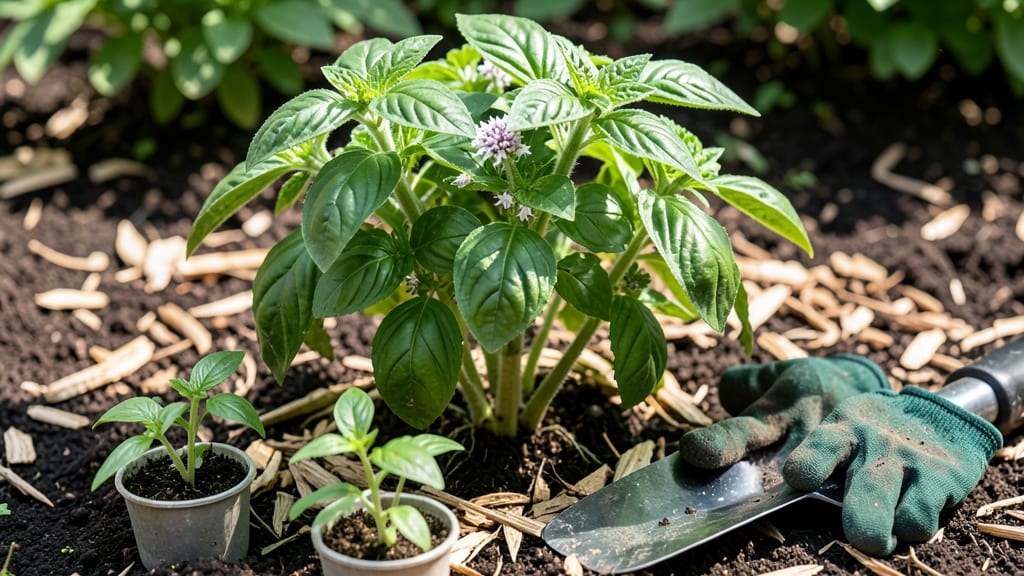
Timing your basil planting in Ohio isn’t just about the calendar—it’s about dodging that dreaded 3 PM wilt or bitter leaves that ruin your pesto dreams.
With Ohio’s 6a zone and unpredictable spring swings, getting those seeds in the ground too early means frost-burned plants, while waiting too long risks bolting before you even taste that first harvest.
I’ve grown 🌿 basil in Ohio for years, and the difference between a thriving herb garden and a sad, stunted disappointment comes down to soil temperature and microclimates.
Whether you’re in Columbus’s urban heat islands or rural areas where frost lingers, knowing the exact window to plant—mid-April to early May—is your secret weapon for sweet, flavorful leaves from June through October.
But here’s the thing: Ohio’s climate quirks mean your neighbor’s perfect timing might not work for you. We’ll break down how to adjust for your specific corner of the state, plus pro tips for starting indoors, direct sowing, and even extending your harvest into fall.
No more guesswork—just basil so good, you’ll want to grow it year-round (even if Ohio’s winters say otherwise).
Ready to turn your backyard into a basil powerhouse? Let’s dive into the step-by-step schedule that’ll have you pinching leaves for your favorite recipes in no time—without the bolting headaches.
Ohio’s ideal basil planting zones and microclimate adjustments
Ohio’s USDA zones 5-7 create unique challenges for growing sweet basil. Northern Ohio’s zone 5 (Cleveland) has later frost dates, while Southern Ohio’s zone 7 (Cincinnati) warms up faster. Microclimates—like urban heat islands or sheltered valleys—can shift planting windows by 1-2 weeks.
Basil thrives when soil temperatures hit 50°F+, but Ohio’s last frost dates vary wildly: April 15 in Southern Ohio to May 1 in Northern regions. Planting too early risks cold damage, while waiting too long can lead to bolting (premature flowering).
Here’s how Ohio’s regions differ—and how to adjust your schedule:
| Region | USDA Zone | Last Frost Date | Ideal Planting Window | Soil Temp Threshold |
|---|---|---|---|---|
| Southern Ohio (Cincinnati, Dayton) | 6b-7a | Mid-April | Mid-April to early May | 50°F+ |
| Central Ohio (Columbus) | 6a | Late April | Late April to mid-May | 50°F+ |
| Northern Ohio (Cleveland, Toledo) | 5b-6a | Early May | Early to mid-May | 55°F+ (warmer soil needed) |
For urban gardeners, city heat can push planting dates 1 week earlier than rural areas. Use a soil thermometer to confirm readiness—50°F is the magic number for germination. If your soil is colder, wait or use black plastic mulch to warm it faster.
Ohio’s microclimates also affect bolting risk. In zone 7, basil may bolt by July if planted too early. In zone 5, late plantings might not mature before frost. Adjust by choosing slow-bolting varieties like Genovese or Sweet Basil for longer harvests.
Pro tip: Start seeds indoors 6-8 weeks before your region’s last frost. This gives you a head start and lets you transplant hardened seedlings after the frost date. Use grow lights if natural light is limited—basil needs 12+ hours of light daily to thrive.
If you’re in a cooler microclimate, like a shaded backyard, opt for container growing. Pots warm up faster and let you move basil to sunnier spots. Just ensure containers have drainage holes to prevent root rot.
Remember: Frost dates are averages. Check your local Cooperative Extension Service for real-time updates. A late frost in May can wipe out early plantings—so always have row covers on hand for emergencies.
Finally, soil prep matters. Basil prefers well-draining, slightly acidic soil (pH 6.0-7.0). Amend heavy clay with compost or sand to improve drainage. Mulch after planting to retain moisture and regulate soil temperature.
With these adjustments, your basil will stay sweet and productive from June through October—no bitter surprises! 🌿
Step-by-step basil planting schedule by Ohio region
Ohio’s diverse climate means your basil planting schedule should adjust based on whether you’re in Northern Ohio (Cleveland), Central Ohio (Columbus), or Southern Ohio (Cincinnati). Each region has slightly different last frost dates and soil warming patterns, so timing is everything to avoid cold-sensitive basil bolting prematurely.
For Southern Ohio, aim to start seeds indoors by late March and transplant outdoors by mid-April, when soil temperatures hit 50°F. Central Ohio gardeners should wait until late April for outdoor planting, while Northern Ohio’s cooler springs delay planting until early May.
Always check your local frost-free date—a late frost can devastate tender basil seedlings.
🌱 Southern Ohio (Cincinnati)
- 📅 Late March: Start seeds indoors under grow lights.
- 🌡️ Mid-April: Transplant seedlings outdoors after soil warms to 50°F+.
- ☀️ June-October: Harvest leaves regularly to prevent flowering.
🌿 Central Ohio (Columbus)
- 📅 Early April: Start seeds indoors or buy starter plants.
- 🌡️ Late April: Plant outdoors once nighttime temps stay above 50°F.
- 🌱 May-July: Protect young plants with row covers if frost threatens.
❄️ Northern Ohio (Cleveland)
- 📅 Mid-April: Start seeds indoors under warm conditions.
- 🌡️ Early May: Transplant only after last frost date (usually May 15).
- 🌿 June-September: Use containers for flexibility if early frosts occur.
If you’re direct sowing basil outdoors, wait until soil temperatures are consistently 60°F+—this usually aligns with late April to early May in most of Ohio.
For container growing, you can extend the season by moving pots indoors before first frost (mid-October), but ensure they get 6+ hours of sunlight daily.
Pro tip: Use a soil thermometer to confirm readiness—basil seeds won’t germinate below 50°F, and seedlings will struggle in cooler soil. Mulch around plants to maintain consistent soil warmth and reduce watering needs during Ohio’s hot summers.
For late-summer replanting, sow a second batch in early July to harvest basil through September. Just be sure to choose fast-maturing varieties like ‘Genovese’ or ‘Sweet Basil’ to avoid bolting before frost.
🌱