
Plants
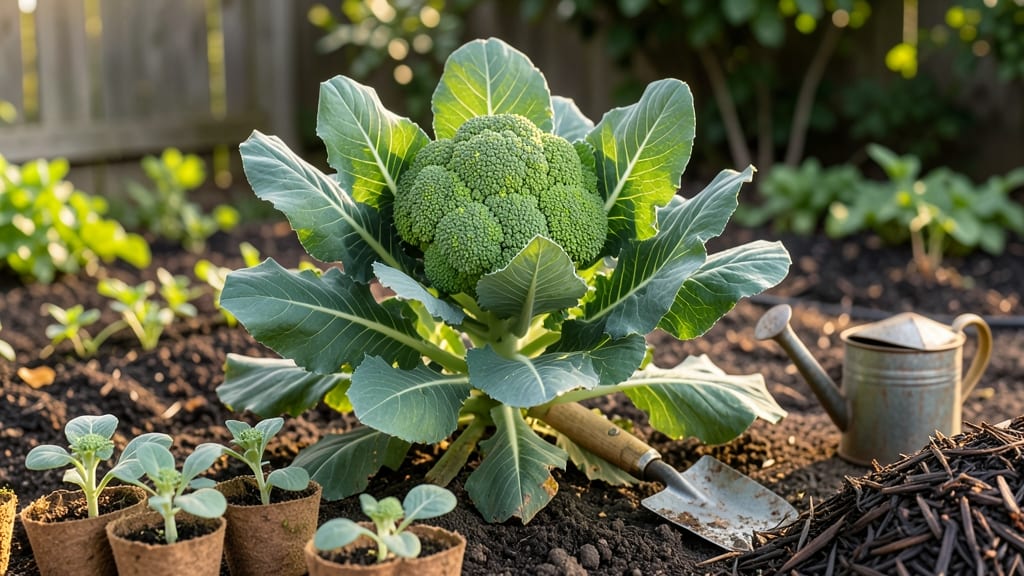
Timing your broccoli planting in New Jersey isn’t just about throwing seeds in the dirt—it’s about outsmarting the 6a-7b climate to avoid bolted, bitter heads. One wrong move, and your 🥦 goes from garden star to sad, yellowing disappointment.
Most NJ gardeners swear by two windows: early spring (March-April) and late summer (August-September). But here’s the catch: soil temps below 45°F stunt growth, while heat waves above 85°F trigger bolting.
I’ll show you how to nail those sweet spots—plus how to cheat the system with row covers when frost sneaks up.
You’ll also discover which varieties thrive in NJ’s short season (hint: ‘Waltham 29’ is a local favorite) and how to space plants for maximum yield. Skip the guesswork—let’s get your broccoli growing like a pro.
Ready to turn your backyard into a zero-bolt powerhouse? The secret starts with knowing exactly when to plant—and why your neighbors’ broccoli always looks better than yours.
NJ frost dates & soil temperature guide for broccoli planting
New Jersey's USDA zones 6a-7b create a delicate balance for growing broccoli 🥦. The key to zero-bolt success lies in understanding frost dates and soil temperatures, which vary by microclimate across the state.
Coastal areas like Cape May experience milder winters, while inland regions like Sussex County face earlier frosts. For most of NJ, aim to plant when soil temperatures reach 45°F in spring or 85°F in fall.
Broccoli seedlings can handle light frosts down to 25°F, but mature plants need protection below 30°F. In NJ, the average last frost date ranges from mid-April in the north to early April in the south.
Conversely, the first frost typically arrives between mid-October and early November, depending on elevation and proximity to water bodies.
Here's how NJ's frost dates break down by region for optimal broccoli planting:
| Region | Last Frost Date | First Frost Date | Spring Planting Window | Fall Planting Window |
|---|---|---|---|---|
| Northern NJ (Sussex, Morris) | Mid-April | Early November | March 15 - April 15 | August 1 - September 1 |
| Central NJ (Mercer, Middlesex) | Early April | Mid-October | March 1 - April 10 | August 15 - September 15 |
| Southern NJ (Cape May, Atlantic) | Early April | Late October | March 1 - April 5 | September 1 - September 20 |
Soil temperature is equally critical. Use a soil thermometer to confirm 45-50°F for spring planting and 70-85°F for fall. In NJ, soil warms quickly in spring—sometimes reaching ideal temperatures by late February in southern regions, but not until mid-April in the north.
For fall planting, aim to have plants established 8-10 weeks before the first frost to ensure head formation.
Microclimates play a huge role in NJ. Urban areas like Newark can be 5-10°F warmer than rural spots due to the heat island effect. If you're in a warmer microclimate, you can push your spring planting 2-3 weeks earlier and fall planting 1-2 weeks later.
Conversely, higher elevations in the Poconos region may need to wait until late April for spring planting.
For coastal gardeners, salt spray and wind can stress broccoli plants. Use windbreaks and choose salt-tolerant varieties like 'Calabrese' if growing near the shore. Inland gardeners should focus on well-draining soil to prevent waterlogging, which can cause root rot in NJ's heavy clay soils.
Pro tip: Start seeds indoors 6-8 weeks before your target outdoor planting date to give seedlings a head start. Use grow lights if natural light is limited, as broccoli needs 12-14 hours of light daily to prevent leggy seedlings.
Harden off seedlings for 7-10 days before transplanting to avoid shock.
Monitor local forecasts using resources like the NJ State Climate Office or Almanac.com for real-time frost predictions. In 2023, an unexpected late frost in mid-April caught many gardeners off guard—always have row covers ready to protect young plants from unpredictable NJ weather.
Remember, broccoli thrives in cool weather and will bolt (flower prematurely) if exposed to consistent temperatures above 80°F. This is why fall planting often yields better results in NJ's hot summers. Plan your succession plantings accordingly to enjoy fresh broccoli from May through November.
How to time broccoli planting for zero-bolt harvests in NJ
Timing your broccoli planting is the secret weapon against bolting in NJ’s unpredictable climate.
Since NJ’s last frost typically arrives between mid-April and early May, I start my spring broccoli 4-6 weeks before that date—usually in late March—to give seedlings enough time to mature before summer heat arrives.
This window ensures your plants develop strong roots while avoiding the heat stress that triggers premature flowering.
For fall harvests, I shift my focus to late summer planting, aiming for mid-August to early September. This gives broccoli 8-10 weeks to grow before the first frost hits in mid-October. The key is choosing cold-hardy varieties that tolerate NJ’s cool nights without bolting prematurely.
🌱
- Late March: Start indoor seedlings (6-8 weeks before last frost) or sow directly outdoors if soil is workable.
- Mid-April: Transplant hardened seedlings into garden beds with 24-inch spacing.
- Early June: Harvest spring crop before summer heat triggers bolting.
- Mid-August: Sow fall seedlings for a second harvest window.
- Late September: Transplant fall seedlings with row covers for frost protection.
- October-November: Enjoy frost-resistant harvests before first freeze.
NJ’s microclimates play a huge role in timing. If you’re in cooler northern NJ (like Sussex County), you can plant 2 weeks earlier than the average. Meanwhile, southern NJ (like Cape May) may need to adjust by 1-2 weeks later to avoid early heat stress.
I always check my local Cooperative Extension Service for year-specific frost dates—they’re updated annually and account for climate shifts.
For extra protection against late frosts, I use floating row covers or cold frames to create a 5-10°F warmer microclimate. This lets me extend my spring planting window by 2-3 weeks without risking frost damage. Just
Bolting is your worst enemy in NJ’s hot summers, so I prioritize shade cloth during peak heat (July-August) if I’m growing late-season varieties. Even 30% shade cloth can reduce bolting by 40% while still allowing enough light for growth. Pair this with consistent watering (1-2 inches per week) to keep soil moisture steady—drought stress is another major bolting trigger.
Pro tip: Succession planting is my go-to strategy for continuous harvests. I sow new seeds every 2 weeks from March through August, ensuring a steady supply of fresh broccoli.
This works especially well for smaller varieties like 'Calabrese', which mature faster and handle NJ’s short growing season better than giant heads.