
Plants
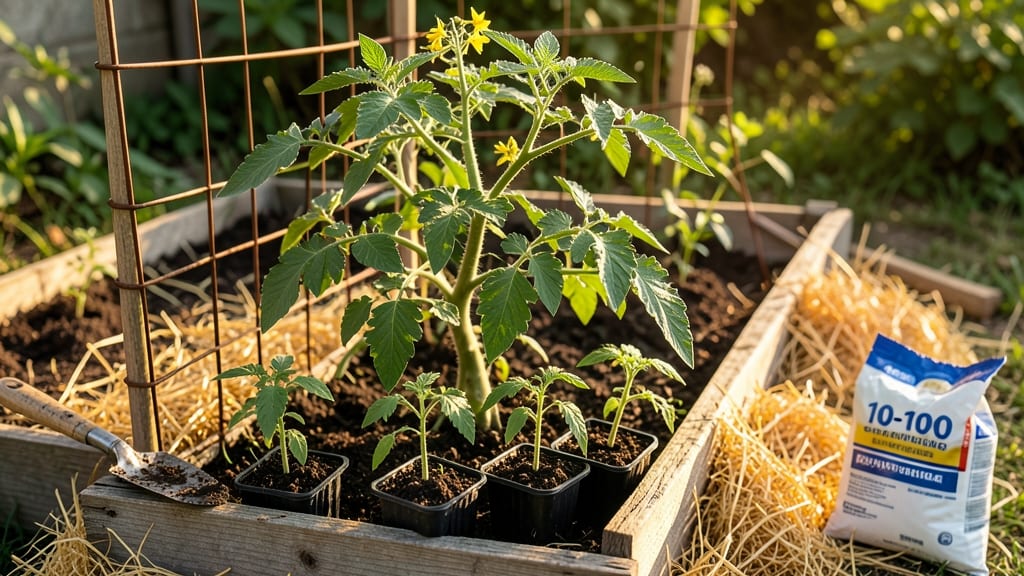
If you’ve ever planted tomatoes in Florida only to watch them bolt before producing fruit, you’re not alone—timing is everything in our unique climate.
The perfect planting window shifts dramatically from the Panhandle to the Keys, where a single week’s delay can mean the difference between a bountiful harvest and wasted effort.
Florida’s year-round growing season (USDA Zones 8a-11) might suggest tomatoes can go in anytime, but heat, humidity, and microclimates demand precision.
Whether you’re in North Florida’s cooler winters or South Florida’s steamy summers, knowing the exact dates to start seeds or transplant seedlings is the key to avoiding stress and maximizing yield.
In this guide, I’ll break down the optimal planting windows for your specific region, including soil temperature thresholds and how to adjust for local frost risks—even in frost-free zones.
You’ll also discover practical strategies to extend your season**, like succession planting and shade management, so you can enjoy fresh 🍅 all year.
Skip the guesswork and start planting with confidence—your next tomato harvest is just a few weeks away if you time it right.
Florida’s 5 microclimates & their exact tomato planting windows
Florida’s 5 distinct microclimates create wildly different tomato planting windows. The Panhandle has cooler winters, while the Keys can grow tomatoes year-round. Understanding your zone prevents bolting (premature flowering) and maximizes yields.
Key factors: soil temperature (must reach 60°F), frost risk, and humidity levels. North Florida’s last frost typically occurs around January 15, while South Florida rarely sees frost. Let’s break down the exact windows for each region.
| Microclimate | USDA Zone | Peak Planting Windows | Soil Temp Threshold | Frost Risk |
|---|---|---|---|---|
| Panhandle (e.g., Tallahassee) | 8a-8b | Feb 15 - Mar 15 Jul 15 - Aug 15 |
60°F minimum | High (Jan-Mar) |
| North FL (e.g., Gainesville) | 8b-9a | Feb 1 - Mar 31 Jul 1 - Aug 31 |
60°F minimum | Moderate (Dec-Feb) |
| Central FL (e.g., Orlando) | 9a-9b | Jan 15 - Apr 15 Jun 15 - Sep 15 |
60°F minimum | Low (Dec only) |
| South FL (e.g., Miami) | 10a-11 | Year-round (staggered) | 65°F minimum (winter) | None |
| Florida Keys | 11-12 | Year-round (peak: Feb, Aug) | 68°F minimum | None |
For North Florida, aim for February-March and July-August plantings. The Central region (Orlando/Tampa) can extend to April and September. In South Florida, plant year-round but stagger seeds every 2-3 weeks for continuous harvests.
Pro tip: Use black plastic mulch to warm soil faster in cooler months. This trick adds 5-7°F to soil temperature, accelerating growth and reducing bolting risk.
If you’re in Zone 9a or higher, consider heat-tolerant varieties like 'Solar Fire' or 'Heatmaster'. These thrive in Florida’s summer heat without bolting prematurely.
For container gardening, plant 6-8 weeks earlier than ground planting. Containers warm up faster, giving you a head start in cooler months.
Always check your local frost dates using the Florida Automated Weather Network (FAWN). Their data is the most accurate for your exact county.
Remember: Soil temperature matters more than air temperature. Use a soil thermometer to confirm readiness—60°F is non-negotiable for germination.
How to adjust planting dates for your specific Florida county
Florida’s 100+ counties create wildly different growing conditions—what works in Jacksonville (Zone 8b) fails in Miami (Zone 11). Instead of guessing, use these three key factors to pinpoint your perfect planting window: USDA zone, last frost date, and soil temperature.
For example, North Florida can start seeds indoors in January, while South Florida skips winter planting entirely.
Start by checking your USDA zone (8a-11) and county-specific frost data from the National Weather Service. Even in frost-free zones like Key West, heat stress after 90°F+ can stunt seedlings. Use this two-step method to adjust dates:
Pro tip: Tampa (Zone 9a) gardeners often plant two crops—one in February (harvest by June) and another in August (harvest by November). Meanwhile, Orlando (Zone 9b) can stretch this to three crops by adding a September planting.
Use a garden journal to track your county’s best windows—what works for your neighbor might fail for you due to microclimates like urban heat islands or coastal breezes.
For container growing, adjust dates 1-2 weeks earlier—pots heat up faster. Place containers near south-facing walls to extend the season by 3-4 weeks in cooler zones. In South FL, year-round container growing is possible with dwarf varieties like ‘Tiny Tim’ or ‘Patio Princess’.
Don’t overlook local nurseries—they often sell heat-tolerant varieties like ‘Solar Fire’ or ‘Heatmaster’ that thrive in 90°F+ temps. Ask when they recommend transplanting for your area—many have decades of county-specific data.
Remember: Soil temperature > air temperature. Use a soil thermometer ($10 at garden centers) to confirm 60°F before planting. In North FL, black plastic mulch can raise soil temps by 5-10°F, letting you plant 2 weeks earlier.
In South FL, white mulch reflects heat to protect seedlings from bolting.
Your county’s unique conditions matter more than the USDA zone alone. Start with these adjustments, then refine over 3 years of trials—your perfect tomato schedule is out there, waiting to be discovered. 🌱