
Plants
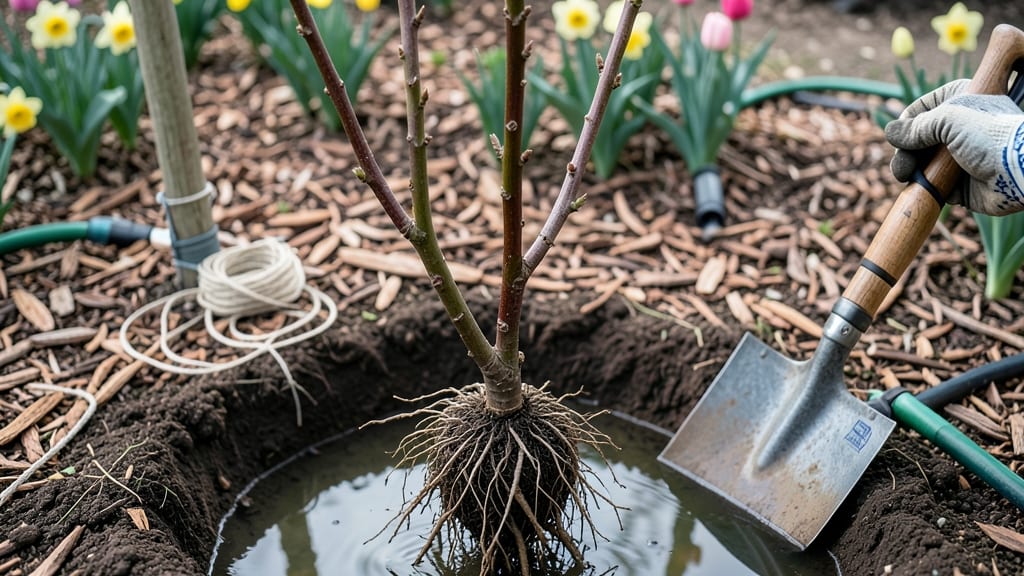
Timing when to plant bare root roses in Zone 6 could mean the difference between a thriving 🌹 garden and struggling plants that never quite take off. The key isn't just avoiding frost—it's giving those delicate roots the perfect 4-6 week window to establish before summer's heat arrives.
Most gardeners in Zone 6a-6b reach for their bare root roses in early spring, but there's actually a second chance in fall that many overlook.
I've learned through trial and error that planting too early means weak roots struggling with cold soil, while waiting too long risks late frosts or summer stress. Let me show you exactly when to plant for maximum success in your specific microclimate.
We'll break down the ideal planting windows based on your last frost date, soil temperature thresholds, and even how to adjust for early vs. late frost years.
You'll discover how to prepare your roses for planting—from proper soaking techniques to soil amendments that work best in Zone 6's varied soil types.
The best part? I'll share the common mistakes that kill even the hardiest bare root roses and how to avoid them.
Whether you're planting in containers or directly in the ground, you'll have all the tools to give your roses the strong start they deserve for a season of beautiful blooms.
Exact weeks before last frost to plant bare root roses in Zone 6
Timing is everything when planting bare root roses in Zone 6. The ideal window is 4-6 weeks before your last frost date, but this varies by microclimate and soil temperature.
For most of Zone 6, this means early to mid-April, but check your local frost calendar—some areas experience late frosts into May.
Zone 6’s last frost date typically falls around April 15, but this shifts 2-3 weeks earlier in northern Zone 6 (6a) and 1-2 weeks later in southern Zone 6 (6b).
Planting too early risks frost damage to tender roots, while waiting too long delays root establishment before summer heat arrives.
Soil temperature is your best guide. Bare root roses need soil at least 40°F (4°C)—warmer is better. Use a soil thermometer to confirm. If your soil is still frozen or below 40°F, delay planting until conditions improve.
Here’s how to calculate your exact planting window:
- Find your average last frost date (check the USDA Plant Hardiness Zone Map or local weather service).
- Subtract 4-6 weeks to pinpoint your ideal planting range.
- Adjust for early vs. late frost years—if your area had an early frost last year, plant on the earlier side of your window.
| Zone 6 Region | Last Frost Date | Ideal Planting Window | Soil Temp Threshold |
|---|---|---|---|
| Northern Zone 6 (6a) | April 1-15 | March 15-April 1 | 40°F (4°C) minimum |
| Central Zone 6 (6a/6b) | April 15-30 | March 30-April 15 | 45°F (7°C) ideal |
| Southern Zone 6 (6b) | May 1-15 | April 15-May 1 | 50°F (10°C) ideal |
Note: Adjust for early frost years by planting 1-2 weeks earlier.
Fall planting is also an option in Zone 6, but the window is much narrower. Aim for 6-8 weeks before your first frost, typically late September to early October. Fall-planted roses need full root establishment before winter dormancy, so prioritize well-draining soil and consistent moisture.
Pro tip: Use a frost calendar app like Old Farmer’s Almanac or Almanac.com to track local frost predictions. These tools account for historical data and current weather patterns, helping you avoid surprises.
For example, if your area has a 10-year history of late frosts in April, err on the earlier side of your planting window.
Another critical factor is daylength. In Zone 6, longer daylight hours in late spring trigger faster root growth. Planting in March or early April gives roses 8-10 weeks of ideal conditions before summer heat stress sets in.
If you plant in May or June, roots may struggle to establish before the heat and drought of summer.
Watch for local microclimates—areas near bodies of water, hills, or urban heat islands may have earlier or later frost dates than the general Zone 6 average. For instance, a south-facing slope might warm up 2-3 weeks earlier than a north-facing valley.
Use a minimum-maximum thermometer in your garden for a week to gauge your specific conditions.
Once you’ve nailed your planting window, prep your soil 1-2 weeks ahead. Amend with compost or aged manure to improve drainage, and avoid fresh organic matter, which can burn tender roots.
In Zone 6’s clay-heavy soils, mix in sand or perlite to prevent waterlogging—a common killer of newly planted roses.
Remember: The goal is to give your bare root roses 4-6 weeks of cool, moist soil before summer heat arrives. This ensures roots establish before the plant shifts focus to foliage and blooms.
With the right timing, your roses will reward you with vibrant blooms and strong growth all season.
Exact weeks before last frost to plant bare root roses in Zone 6
Timing your bare root rose planting in Zone 6 requires precision. Aim for 4-6 weeks before your last frost date—typically mid-March to early April in most of Zone 6.
This window ensures roots establish before summer heat arrives. For example, if your last frost is April 15, plant between March 1 and March 15 for optimal success.
Use your local frost data to calculate exact dates. The USDA Zone 6 average last frost ranges from early April in southern areas to late April in northern regions.
Check your local cooperative extension service for precise frost dates tailored to your county. Soil temperature also matters—wait until the ground reaches 40°F (4°C) at a 4-inch depth.
| Zone 6 Region | Last Frost Date | Ideal Planting Window | Soil Temp Threshold |
|---|---|---|---|
| Southern Zone 6 (6b) | Early April | Late February - Early March | 40°F (4°C) |
| Northern Zone 6 (6a) | Late April | Early March - Mid-March | 40°F (4°C) |
| Mountainous Areas | Early May | Late March - Early April | 45°F (7°C) |
Fall planting is also possible in Zone 6, but the window is narrower. Plant 6-8 weeks before your first frost, usually between September 15 and October 15.
This allows roots to establish before winter dormancy. Avoid planting too early in fall—roots need time to harden off before cold sets in.
Watch for unpredictable frost in Zone 6's transitional seasons. Even after your average last frost, a late cold snap can damage tender bare root roses. Use frost cloth or a mini greenhouse for the first 2 weeks after planting if nighttime temperatures dip below 32°F (0°C).
This extra protection pays off with stronger root growth.
For container-grown roses, you can push the planting window slightly later—up to 2 weeks after your last frost. Containers warm up faster, giving roots a head start. However, always harden off container-grown roses by gradually exposing them to outdoor conditions for 7-10 days before planting to prevent shock.
Remember: Healthy roots = healthy blooms. Planting at the right time in Zone 6 ensures your roses have 6-8 weeks of root establishment before summer's heat and drought stress arrive. Mark your calendar now—your future roses will thank you!