
Plants
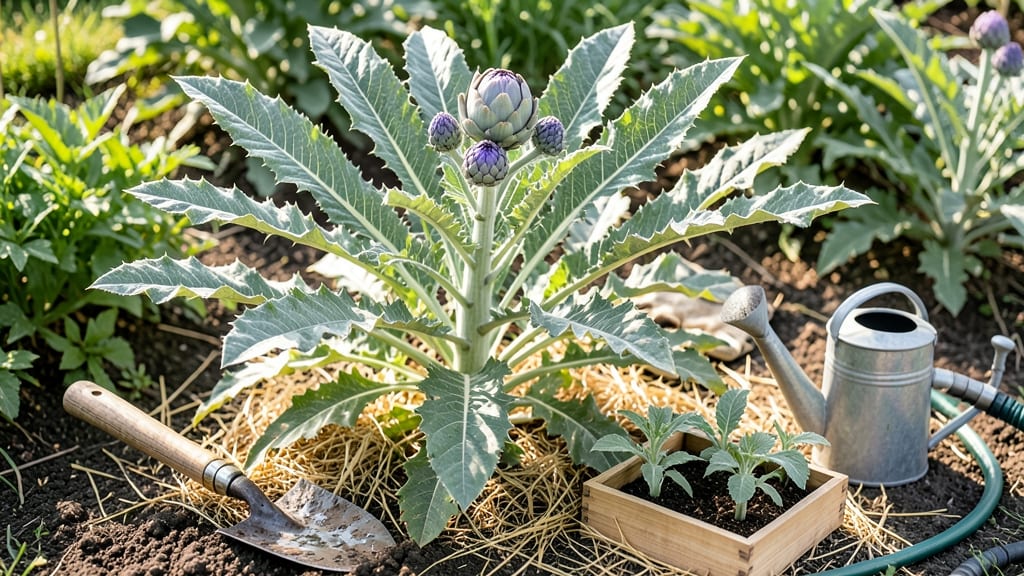
Timing your artichoke planting in Arizona isn’t just about avoiding frost—it’s about outsmarting the desert’s brutal heat and unpredictable monsoons. Plant too early, and your 🌱 artichokes bolt before you even taste one; too late, and they’ll wilt under 110°F soil temperatures.
The sweet spot? A 4-week window between November and February, when cooler temps and shorter days create the perfect balance.
Most gardeners in USDA Zone 9b swear by planting in December, but that’s not one-size-fits-all. Low-desert areas like Phoenix can push planting into early February, while higher elevations near Prescott should start by late November.
The key? Watch for soil temps below 75°F—any hotter, and your plants will stress out before they even sprout.
Here’s the game-changer: local varieties like 'Green Globe' thrive with these timing tweaks, but even they need help beating Arizona’s extremes. We’ll cover how to prep soil, time watering for monsoon shifts, and use shade cloth to delay bolting—so you’re harvesting plump, tender artichokes by spring, not bitter, woody stalks.
Ready to skip the guesswork? Let’s break down the exact calendar, microclimate hacks, and watering schedules that’ll have your artichokes flourishing when most desert gardens give up. Your first perfect harvest starts with one simple rule: plant when the desert cools down—but not too much.
Optimal Arizona artichoke planting months by climate zone
Arizona’s diverse microclimates create a challenge for artichoke growers. The low desert (Phoenix/Tucson) has 300+ frost-free days, while high desert (Prescott) faces earlier frosts. Timing your plantings by elevation ensures your Green Globe or Imperial Star artichokes thrive without bolting prematurely.
Artichokes are cool-season crops that bolt (flower prematurely) when exposed to consistent temperatures above 85°F. In Arizona, this means planting too early in spring or too late in fall can ruin your harvest. The key is to plant when soil temps are 50-60°F and nights stay cool.
Here’s how to align your planting with Arizona’s three distinct climate zones:
| Zone | Last Frost Date | Ideal Planting Window | Heat Tolerance Threshold | Notes |
|---|---|---|---|---|
| Low Desert (Phoenix/Tucson) | December 15 | November 1 – February 15 | Bolts at 85°F+ | Use shade cloth in spring; Green Globe is best variety. |
| Mid-Elevation (Flagstaff) | January 10 | October 15 – January 31 | Bolts at 75°F+ | Longer growing season; Imperial Star handles cooler temps. |
| High Desert (Prescott) | December 1 | September 15 – November 15 | Bolts at 70°F+ | Plant early; mulch heavily to retain moisture. |
For low desert gardeners, aim to have artichokes established by late October so they can mature before April’s heat. In Flagstaff, you can push planting into early January for a spring harvest, but protect plants with row covers if nights dip below 40°F.
In Prescott’s high desert, the window is tighter. Plant by mid-November to avoid winter frosts, but expect a smaller harvest compared to lower elevations. Succession planting every 2-3 weeks within your zone’s window extends your harvest season.
Soil temperature is more critical than air temperature. Use a soil thermometer to confirm temps are 50-60°F before planting. Cold soil slows germination, while warm soil (above 65°F) triggers bolting. In Arizona, this often means planting in the coolest part of winter.
Choose transplants over seeds for Arizona’s short growing season. Seedlings take 120-140 days to mature, so starting with 4-6 week old plants from a nursery gives you a head start. Look for Green Globe or Imperial Star varieties—they’re bred for heat tolerance and large heads.
After planting, mulch heavily with straw or wood chips to keep roots cool and retain moisture. In low desert areas, shade cloth (30-50%) during spring prevents bolting. Monitor plants daily for signs of stress—yellowing leaves or premature buds mean it’s time to adjust your watering or shading.
Remember: Arizona’s monsoon season (July-September) can provide unexpected moisture, but artichokes planted in summer will almost certainly bolt. Save any late-season plantings for fall varieties like broccoli or kale instead.
How to time artichoke planting for Arizona’s unpredictable rainfall
Arizona’s monsoon season throws a wrench into traditional planting schedules—too much rain too soon can drown young artichoke transplants, while drought can stress them before they establish roots.
The key is planting when soil moisture is stable but not waterlogged, typically 2-4 weeks before the first monsoon downpours (usually late July). For most of Arizona, this means starting seeds indoors in late September or buying transplants in early October.
Local nurseries like Desert Harvest Supply often stock Green Globe and Imperial Star varieties by mid-October—these are your best bets for drought tolerance. I’ve found that elevated beds with 50% compost help wick away excess moisture while retaining enough water for young roots during dry spells.
Test your soil’s moisture-holding capacity first—aim for 30-50% organic matter to prevent transplant shock.
Here’s my foolproof timing strategy: Wait until after the first 2-3 inches of rain in September (usually around mid-to-late month) to plant. This primes the soil without overwhelming tender seedlings.
If you’re in Tucson or Phoenix, monitor the National Weather Service’s monsoon forecast—plant when they predict 5-7 days of dry weather after your initial watering.
- 📅 Late September: Start seeds indoors or order transplants; soil temps should be 65-75°F.
- 💧 Mid-October: Plant outdoors 2-4 weeks before first monsoon rains; water deeply every 3-4 days.
- 🌧️ November-December: Let natural rainfall supplement watering; mulch with 2-3 inches of straw to retain moisture.
- ❄️ January-February: Protect from 32°F+ frosts with row covers; reduce watering to bi-weekly.
- 🌱 March-April: Harvest begins; watch for aphids after spring rains.
Pro tip: If you’re planting in Flagstaff or Prescott, shift your timeline 2-3 weeks later—cooler nights and earlier frosts mean you can wait until early November for transplants.
I’ve had success with black plastic mulch in these areas to warm the soil and speed up germination during chilly spells. Always bury the mulch edges to prevent weeds from competing for moisture.
Watch for yellowing leaves or wilting by noon—these are signs your plants are struggling with moisture imbalances. In my Yuma garden, I’ve learned to water deeply but infrequently once established (every 5-7 days in summer), letting the top 2 inches of soil dry out between sessions.
This mimics Arizona’s natural rainfall patterns and builds drought resistance.
Remember: Artichokes are cool-season crops, so they’ll bolt if stressed by heat or drought. If your plants start sending up flower stalks prematurely, prune them immediately and shade cloth (30-50%) can buy you 2-4 extra weeks of growing time.
The goal is to have fully closed buds by late April—after that, the heat becomes too intense for quality harvests.