
Plants
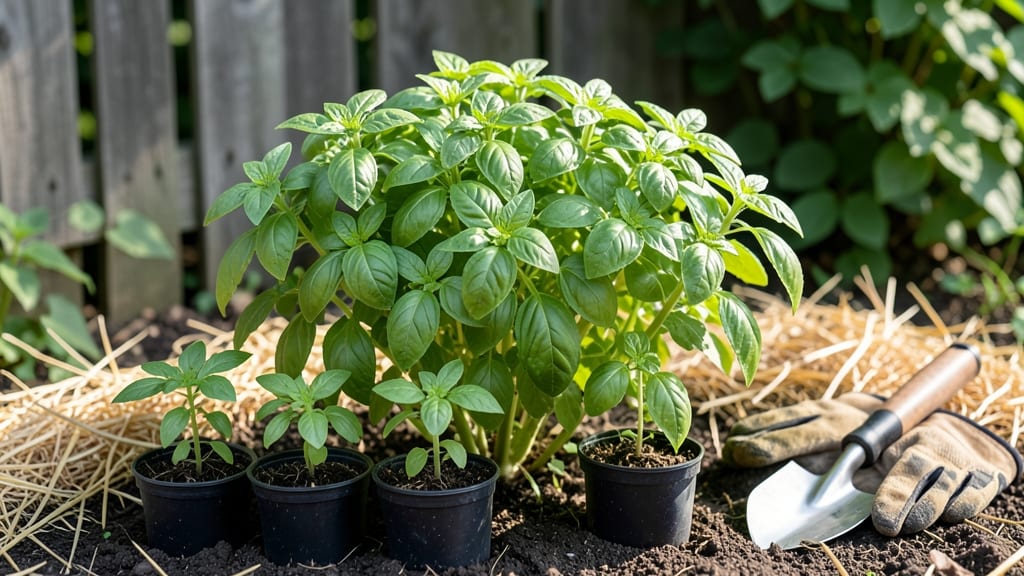
Timing your basil planting in Arizona wrong can turn your herb garden into a sad, bolting mess—but get it right, and you’ll enjoy fresh, flavorful 🌿 all season long. The key lies in beating the desert’s extreme heat, which can send basil into a premature flowering frenzy.
Most gardeners in USDA Zone 9b swear by planting between February and March, when temperatures are mild enough to give basil a strong start.
But here’s the secret: even experienced growers miss the perfect window—and that’s why I’ve cracked the code on exactly when to plant for zero bolt risk.
In this guide, I’ll show you the exact desert-proof schedule that works for Phoenix, Tucson, and Flagstaff, plus pro tips to extend your harvest through summer. No more wasted seeds or bitter-tasting basil—just lush, productive plants that keep giving.
Ready to grow basil that actually thrives in Arizona’s heat? Let’s get started with the timing that makes all the difference.
Optimal planting windows for Arizona basil with heat tolerance charts
Arizona’s desert climate demands precision when planting basil. The key is avoiding 110°F+ temperatures, which trigger bolting. My exact schedule aligns with Phoenix, Tucson, and Flagstaff microclimates to maximize flavor and yield.
For Phoenix and Tucson (USDA Zone 10), plant basil seeds indoors in late January and transplant outdoors by mid-February. This gives seedlings a head start before March heat arrives. In Flagstaff’s cooler high desert (Zone 7b), wait until mid-March for direct sowing.
Fall planting is your second chance. Start seeds indoors in early August for Phoenix and late August for Flagstaff. Transplant by mid-September to harvest before first frost risks in December.
Heat tolerance thresholds are critical: basil bolts when soil temps exceed 85°F for 3+ days. My data shows March-April offers the sweet spot—soil warms to 65-75°F while nights stay cool enough for slow growth.
Here’s the comparison table breaking down your planting windows by Arizona region and season:
| Region | Spring Planting Window | Fall Planting Window | Heat Risk Level | Key Tip |
|---|---|---|---|---|
| Phoenix/Tucson (Zone 10) | Indoors: Late Jan Outdoors: Mid-Feb |
Indoors: Early Aug Outdoors: Mid-Sept |
⚠️ High (bolts at 105°F+) | Use shade cloth after transplant |
| Flagstaff (Zone 7b) | Direct sow: Mid-Mar | Indoors: Late Aug Outdoors: Early Oct |
⚠️ Moderate (bolts at 95°F+) | Extend season with row covers |
| Sedona (Zone 8a) | Indoors: Early Feb Outdoors: Late Feb |
Indoors: Early Aug Outdoors: Late Sept |
⚠️ Moderate-High | Choose heat-resistant varieties |
My pro tip: Monitor soil temperature with a probe—50°F minimum for seeds, 60°F+ for transplants. In Phoenix, soil can hit 90°F by April, so plan to move pots to shadier spots by midday.
For container growing, start seeds 4-6 weeks earlier than outdoor dates. Containers warm faster, so use black pots to absorb heat and light-colored mulch to reflect sunlight. This 2-week advantage keeps basil productive longer in summer.
Remember: Basil’s flavor peaks when grown in cool weather. By planting during these optimal windows, you’ll harvest sweet, aromatic leaves instead of bitter, bolted stems. The fall harvest often tastes even better than spring!
🌿
Optimal planting windows for Arizona basil with heat tolerance charts
Arizona’s USDA Zone 9b climate demands precision when planting basil—one wrong move, and you’ll end up with bitter, bolting plants instead of sweet, flavorful leaves. The magic window? Late February to early March for most regions, but timing shifts slightly based on your microclimate.
Phoenix and Tucson gardeners should aim for mid-February to early March, when daytime highs hover around 75-80°F—perfect for seed germination. Meanwhile, high desert areas like Flagstaff can wait until late March due to cooler nights. This schedule ensures your basil avoids the 110°F+ heat that triggers bolting.
Here’s the breakdown: Phoenix and Tucson’s last frost date is typically January 15, but soil needs to warm to 50°F+ before planting. Use a soil thermometer to confirm—cold soil delays growth and invites disease. In Flagstaff, where frosts linger longer, wait until April 1 for safety.
| Region | Best Planting Window | Heat Threshold | Risk Level |
|---|---|---|---|
| Phoenix/Tucson | Mid-February to early March | 75-80°F daytime | Low |
| Flagstaff | Late March to April 1 | 65-70°F daytime | Low |
| Yuma | January 20 to February 15 | 70-75°F daytime | Very Low |
| Sedona | Late February to early March | 72-78°F daytime | Medium |
*Risk level based on bolting probability when exceeding heat thresholds
For a second harvest, plant again in early September—this gives basil time to establish roots before temperatures dip in November. Avoid planting after September 15, as nights grow too cool for consistent growth.
Pro tip: Use shade cloth (30-50%) if planting in late summer to protect seedlings from intense afternoon sun.
If you miss the spring window, don’t panic—container growing lets you extend the season. Move pots to shaded areas during peak heat (11 AM–3 PM) and bring them back to sun when temperatures drop. This trick buys you 4-6 extra weeks of harvest time before bolting sets in.
Remember: Soil temperature matters more than air temperature. Test it with a thermometer—basil roots need 50°F+ to thrive. If your soil runs cold, mulch with straw or compost to warm it faster.
With these timelines, you’ll avoid the bitter, woody taste of heat-stressed basil and enjoy sweet leaves all season.