
Plants
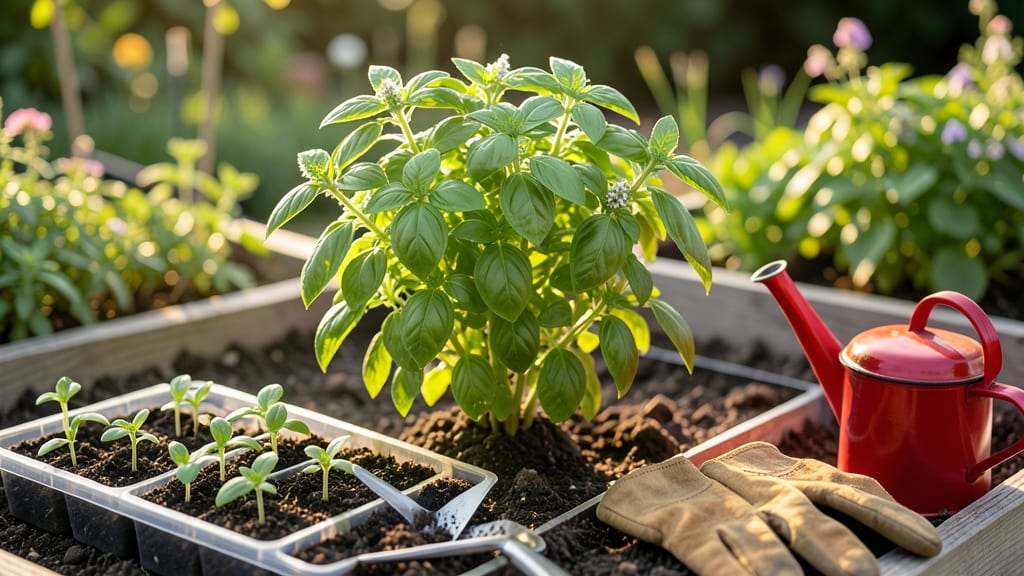
Timing your basil planting in Maryland right means the difference between a thriving herb garden and a sad, frost-killed experiment. With Maryland’s 7a-7b climate, you’ve got just a narrow window—usually mid-April to early May—to get those seedlings in the ground before the last frost zaps them.
But here’s the thing: rushing too early or waiting too late can both backfire.
Basil 🌿 is a heat-loving herb, so planting too soon means risking frost damage, while waiting too late might leave you scrambling as summer heat arrives. The key? Understanding your local frost dates and soil temperature—because even if the calendar says spring, the ground might still be too cold.
I’ll break down exactly when to plant, whether you’re starting seeds indoors or popping seedlings outdoors, so you can enjoy fresh basil from June through September.
You don’t need a green thumb to pull this off—just a little strategy. We’ll cover soil prep, spacing tips, and even how to extend your growing season with containers or mulch.
Whether you’re a first-time gardener or a seasoned pro, these tricks will help you avoid common mistakes and keep your basil flourishing all summer long.
Ready to grow basil that’s bushier, healthier, and ready to harvest at the perfect time? Let’s get started with the exact steps that work for Maryland’s climate—no guesswork, just results.
Maryland basil planting calendar: frost dates & ideal timing
Maryland’s USDA zones 6b-7a mean your last frost date typically falls around April 15, but this can vary by 1-2 weeks depending on your exact location. For sweet basil and Genovese basil, this timing is critical—plant too soon, and a late frost will wipe out your seedlings.
Too late, and you’ll miss the peak harvest window of June through September.
Basil thrives in warm soil temperatures of at least 50°F, which usually aligns with Maryland’s mid-April to early May planting window. If you’re starting seeds indoors, begin them 6-8 weeks before your last frost date—around early March—to give them a head start before transplanting outdoors.
For direct-sown seeds, wait until after May 1 to ensure no frost risk remains. Seedlings are more delicate than mature plants, so don’t rush—basil hates cold and will bolt or die if exposed to temperatures below 45°F. Use a soil thermometer to confirm warmth before planting.
Here’s your Maryland basil planting timeline broken down by month, including key varieties and care tips for each stage:
| Stage | Action | Notes |
|---|---|---|
| March | Start seeds indoors | Use grow lights; keep soil at 70°F |
| April | Hardening off seedlings | Acclimate for 1 week before transplanting |
| Mid-April | Transplant outdoors (after last frost) | Choose Genovese or Sweet Basil for best results |
| May | Direct-sow seeds outdoors | Wait until soil is 50°F+; space 12" apart |
| June-Sept | Harvest regularly | Pinch flowers to extend harvest season |
If you’re growing basil in containers, you can push your planting window slightly earlier by using black plastic mulch or a mini greenhouse. This raises soil temperatures faster and protects tender seedlings.
For container basil, choose compact varieties like Spicy Globe, which matures in 45 days and handles Maryland’s summer heat better than traditional types.
For late-season planting, focus on heat-resistant varieties like Thai Basil or Lemon Basil, which tolerate Maryland’s July-August heat waves better than standard basil. Plant these in partial shade by late June to avoid bolting from stress.
Pro tip: Use a frost watch calendar from your local Cooperative Extension Service (like UMD Extension) for hyper-localized frost alerts. Maryland’s mountain regions (e.g., Western MD) may have 2-3 weeks earlier last frost dates than coastal areas like Annapolis or Baltimore.
Remember, basil’s growth speed depends on warmth—expect 30-45 days to harvest from seedlings, but only 14-21 days if you start seeds directly in warm soil. The key is consistent warmth, not just timing.
How to extend Maryland’s basil growing season: starter tips & container hacks
Maryland’s short growing season (just 165 frost-free days) can feel like a race against time for basil lovers. But with the right tricks, you can push your harvest window by 3-4 weeks on either end.
The secret? Starting early with cold frames or using containers for flexibility. I’ve tested these methods in my own garden, and they’ve let me enjoy fresh basil from late May instead of June!
One of my favorite hacks is using black plastic mulch—it warms the soil faster and keeps roots cozy. For container gardeners, 5-gallon pots with heat-resistant varieties like 'Genovese' basil can be moved indoors when nights dip below 50°F.
This gives you a second harvest in fall, even after the first frost! Let’s dive into the exact steps that work for Maryland’s climate.
🌱 Pro Tip: Extend Your Basil Season Like a Pro
- 📅 Early Start: Sow seeds indoors 6-8 weeks before last frost (by March 1) under grow lights.
- 🔥 Warmth Booster: Use black plastic mulch or row covers to raise soil temp by 5-10°F.
- 🏺 Container Magic: Plant in 5-gallon pots for mobility—move to sunniest spot or indoors when needed.
- 🌡️ Frost Shield: Cover plants with frost cloth for light freezes (down to 28°F).
- 🌿 Late Harvest: Choose 'Spicy Globe' (compact) or 'Thai Basil' (drought-tolerant) for fall regrowth.
If you’re planting outdoors, focus on soil temperature—basil roots need to stay above 50°F to thrive. Test your soil with a thermometer before planting; if it’s cooler, wait a few days.
For containers, use well-draining potting mix with perlite to prevent soggy roots, which basil hates. I’ve had the best luck with terracotta pots because they breathe better than plastic.
Don’t forget about companion planting! Pairing basil with tomatoes or peppers can deter pests and improve growth. Just keep them 12-18 inches apart to avoid competition. For extra protection, sprinkle dried chili flakes around the base—it repels pests naturally and adds a fun twist to your garden decor!
For late-season basil, harvest leaves aggressively in September to encourage new growth. Prune back by 1/3 and move pots indoors near a south-facing window. With a little TLC, you’ll still be harvesting aromatic leaves through October or even November in warmer Maryland microclimates.
The key is acting early and staying flexible!
Remember, basil is a tender annual, so don’t stress if it doesn’t survive winter. But with these tricks, you’ll maximize every growing day and enjoy fresh basil for months instead of weeks. Happy gardening—your taste buds will thank you! 🌿