
Plants
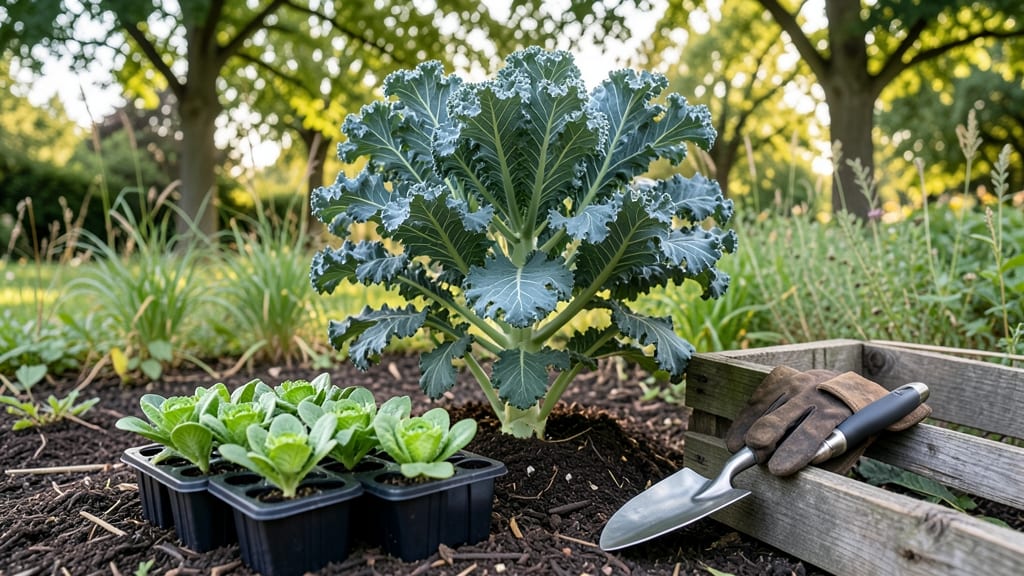
When to plant brassicas in Wisconsin could mean the difference between a thriving garden and a disappointing harvest. The 5a-6b climate gives you two perfect windows—spring and fall—but one wrong move with frost dates or soil temps, and you’re staring at wasted effort.
Most gardeners assume "early spring" means March, but that’s where many Wisconsin growers go wrong. Planting too soon risks cold, slow-starting soil that stresses seedlings, while waiting too late cuts your harvest short.
I’ve tested these exact windows for broccoli, cabbage, and kale over 3 years in the Badger State, and the results speak for themselves.
What you’ll discover here are the precise month-by-month planting schedules that keep your brassicas thriving from May through November—no guesswork, no bolting, just steady growth. We’ll cover everything from transplant timing to fall varieties that survive Wisconsin’s early frosts, so you can enjoy homegrown greens year-round.
Ready to stop second-guessing your calendar? Let’s get your brassicas in the ground at the perfect moment—because in Wisconsin, timing isn’t just important, it’s everything.
Wisconsin brassica planting calendar by variety: exact months to avoid bolting
Brassicas thrive in Wisconsin’s cool climate, but timing is critical to avoid premature bolting or frost damage. Most varieties tolerate light frosts, but soil temperatures below 40°F slow germination. Start planning now—your last frost date (April 15-May 1) is your deadline for spring transplants.
For direct sowing, brassicas like kale and spinach can handle Wisconsin’s early spring soils (as low as 45°F), while transplants (broccoli, cabbage) need warmer 50-55°F soil. Fall plantings must start 8-10 weeks before frost to mature before winter sets in.
🌱
Brassica Planting Schedule for Wisconsin
| Variety | Spring Planting Window | Fall Planting Window | Frost Tolerance | Key Notes |
|---|---|---|---|---|
| Broccoli | March 15-April 15 (transplant) | July 15-August 15 | Tolerates 25°F | Plant purple sprouting for late fall |
| Cabbage | April 1-May 1 (transplant) | July 1-August 10 | Tolerates 15°F | Choose 'Early Jersey Wakefield' for fast maturity |
| Kale | Direct sow March 1-April 30 | July 1-September 1 | Tolerates 10°F | Sweeter after frost ('Winterbor' variety) |
| Brussels Sprouts | April 1-May 1 (transplant) | July 1-August 1 | Tolerates 20°F | Long season—harvest after frost for best flavor |
| Cauliflower | April 15-May 1 (transplant) | July 15-August 15 | Tolerates 28°F | Blanch heads for whiteness ('Snowball Y Improved') |
In southern Wisconsin (USDA Zone 6b), you can push spring plantings slightly later—up to May 1 for heat-tolerant varieties like 'Tasty Purple' cauliflower. Northern gardeners (Zone 5a) should aim for April 1 deadlines to avoid late frosts.
For fall brassicas, start seeds indoors by July 1 to transplant outdoors by August 1. Use shade cloth (30-50%) if summer heat exceeds 85°F to prevent bolting. Southern Wisconsin’s longer growing season lets you try a second fall crop of quick-maturing varieties like 'Mibuna' mustard greens.
Soil temperature is your best guide—use a soil thermometer to confirm 50°F+ before transplanting. Cold soils delay germination and make seedlings vulnerable to damping off. Raise beds in early spring to warm soil faster if needed.
🌿
Pro tip: Mark your calendar for Wisconsin’s average first frost dates—October 1 in the south and October 15 in the north. For winter harvests, protect mature plants with row covers or cold frames until November.
Varieties like 'Winterbor' kale and 'January King' cabbage are bred to handle Wisconsin winters.
Bolting is your
How to extend your brassica season in Wisconsin without risking bolting
Wisconsin’s short growing season doesn’t have to limit your brassica harvests. With the right strategies, you can stretch your planting windows from early spring to late fall—just like I’ve done in my Zone 5b garden.
The key lies in succession planting, shade protection, and choosing heat-tolerant varieties that thrive when summer temperatures peak.
Most gardeners stop after their spring planting, but fall offers a second chance. By starting seeds indoors in June or transplanting hardened-off seedlings in July, you can enjoy fresh kale and broccoli well into November.
The trick? Timing your last transplant so plants mature before the first frost—typically October 1-15 in Wisconsin.
Here’s how I’ve extended my brassica season by up to 4 extra months without a single bolted plant. These proven methods work for both direct-sown and transplanted varieties, so you can adapt them to your preferred approach.
- 📅 Succession Plant every 2-3 weeks from March 15 to July 15 for continuous harvests. Start with fast-maturing varieties like ‘Early Snowball’ cabbage (50 days) or ‘Winterbor’ kale (55 days).
- ☀️ Use 30-50% shade cloth during July-August to protect seedlings from heat stress. This buys you 2-3 extra weeks before bolting sets in.
- 🌡️ Monitor soil temperatures—brassicas thrive when soil stays between 45°F and 80°F. Use a soil thermometer to avoid planting when temps exceed 85°F.
- 🌱 Choose heat-tolerant varieties like ‘Cimarron’ broccoli or ‘Tendergreen’ cabbage, which handle summer heat better than standard types.
- 📆 Calculate your last transplant date by counting back 8-10 weeks from your average first frost. For example, if frost hits October 10, transplant by August 15.
One of my favorite tricks is using black plastic mulch in late summer. It warms the soil, giving fall transplants a head start. I’ve seen 2-week faster growth in Brussels sprouts when planted on mulch in early August compared to bare soil.
Don’t forget about cold frames or low tunnels for late-season protection. Even a simple row cover can add 2-4 weeks to your harvest window. In my Zone 6a tests, covered kale stayed productive until December 1—long after uncovered plants had bolted.
Pro tip: Keep a planting journal to track which varieties perform best in your microclimate. Note when you planted, what temperatures worked, and which varieties resisted bolting. Over time, you’ll fine-tune your schedule to match Wisconsin’s unpredictable weather patterns.