
Companion Plants
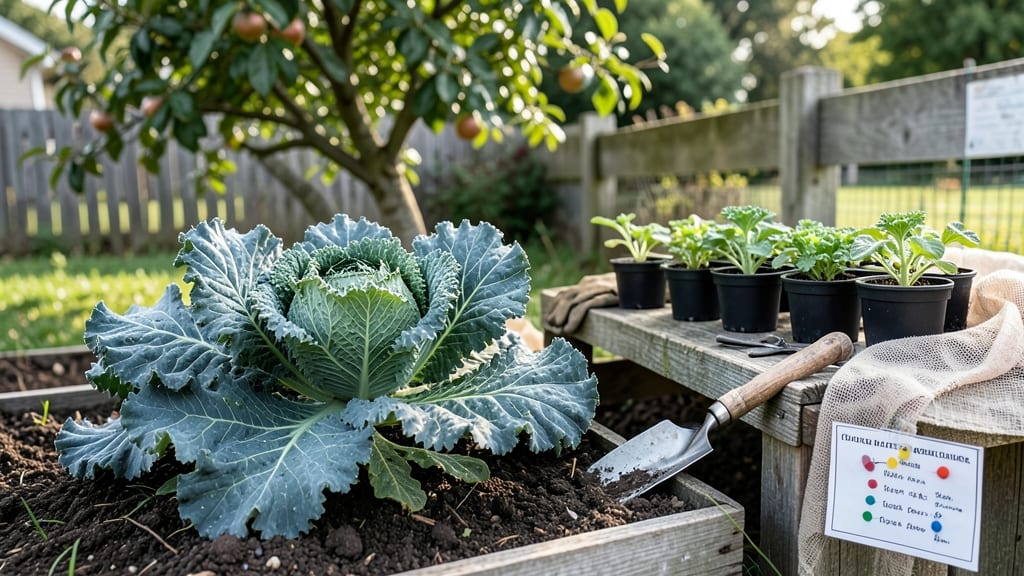
Timing is everything when it comes to growing 🥬 brassicas in Pennsylvania—plant too early, and you risk frost damage; too late, and your broccoli or cabbage might bolt into bitter flowers before you even get a harvest.
The 5b-7a zones here demand precision, but mastering the window means crisp, flavorful greens from late spring through fall.
Most gardeners in PA swear by two key planting windows: mid-March to early April for spring crops and August to early September for fall harvests. But here’s the catch—your exact dates depend on whether you’re growing heat-tolerant varieties like collards or cold-hardy types such as kale.
Get this wrong, and you’ll end up with frustratingly short harvests or plants that taste like disappointment.
In this guide, I’ll break down the exact frost dates you need to know, plus pro tips for avoiding bolting and maximizing your yield.
Whether you’re a first-time gardener or a seasoned green thumb, these strategies will help you plan like a local—so you can enjoy homegrown brassicas all season long.
Ready to stop guessing and start growing? Let’s dive into the perfect planting schedule for PA’s climate, so you can enjoy fresh, homegrown brassicas from your garden without the stress.
Pennsylvania frost dates for brassicas: the perfect planting window by variety
Pennsylvania’s USDA zones 5b-7a create a tricky balance for brassicas—too early, and frost zaps tender seedlings; too late, and summer heat triggers bitter bolting. The key is planting when soil temperatures hit 40-45°F and nights stay above 30°F consistently.
For most of PA, this means mid-March to early April for spring crops and late July to early August for fall harvests.
Your last average frost date (around April 15) isn’t the only deadline—soil warmth matters more. Test it with a soil thermometer; brassicas thrive when roots hit 50°F+.
In cooler northern PA (zones 5b-6a), aim for 4-6 weeks before last frost, while southern zones (6b-7a) can push planting to early May for heat-tolerant varieties like collard greens or turnips.
🌱 Did You Know? Some brassicas handle heat better than others. ‘Winterbor’ kale and ‘De Cicco’ broccoli bolt faster in summer, while ‘Vates’ kale and ‘Golden Acre’ cabbage tolerate 85°F+ temperatures better. Choose wisely for extended harvests!
Here’s your PA brassica planting timeline broken down by variety and microclimate. Use this summary-table to match your zone, variety, and frost dates for foolproof success:
Pro tip: In northern PA (zones 5b-6a), start broccoli and cabbage indoors in late February under grow lights to get a jump on the season.
Southern zones (6b-7a) can direct-sow turnips and radishes as early as mid-March, using them as living mulch to protect brassica seedlings from cold soil.
For fall brassicas, the goal is to harvest before first frost (October 15). Plant 6-8 weeks before that date—so late July to early August—and choose fast-maturing varieties like ‘Tendergreen’ broccoli (50 days) or ‘Red Russian’ kale (30 days).
These give you crisp harvests in September before temperatures drop.
Don’t overlook microclimates! Gardens near large bodies of water or in urban heat islands may have earlier last frosts or hotter summers. If your area runs 5°F warmer than average, adjust planting by 1-2 weeks earlier in spring or later in fall.
Use a local weather station or Almanac frost charts to fine-tune your schedule.
One
How to avoid bolting: proven strategies for PA gardeners
Brassicas bolt when they sense stress—whether from heat, drought, or improper timing—and shift their energy from leafy growth to flower production. In Pennsylvania’s 5b-7a climate, this often happens in late summer when temperatures creep above 75°F.
The result? Bitter, woody stems instead of tender harvests. But don’t worry—I’ve got 5 science-backed strategies to keep your brassicas happy and productive all season long.
First, choose the right varieties for PA’s heat. Heat-tolerant types like ‘Vates’ kale or ‘Southern Comfort’ collards handle summer better than standard broccoli. For cooler months, opt for ‘Winterbor’ kale or ‘De Cicco’ broccoli, which thrive in chilly temps.
Pairing the right plant with the right season is your first line of defense against bolting.
⚠️ CALLOUT-WARNING ⚠️
🔥 Heat Stress Warning
Brassicas bolt when soil temps exceed 80°F. In PA, this happens by mid-July. Use shade cloth (30-50%) to protect plants during peak heat. Remove cloth when temps drop below 75°F to avoid stunted growth.
Next, master succession planting. Instead of planting all your brassicas at once, stagger them every 2-3 weeks from spring through early summer. This ensures a continuous harvest and prevents overcrowding, which stresses plants.
For example, plant broccoli in March, April, and May, then switch to cabbage in June and July for fall harvests. This keeps your garden productive without overwhelming any single plant.
Don’t underestimate the power of soil temperature. Brassicas grow best when soil temps are between 45°F and 75°F. Use a soil thermometer to check before planting—if it’s too cold, wait.
For spring, aim to plant when soil temps hit 45°F; for fall, stop when temps drop below 50°F. Cold soil slows germination and makes plants vulnerable to disease.
Finally, water wisely. Brassicas need 1-2 inches of water weekly, but inconsistent moisture triggers bolting. Use drip irrigation or soaker hoses to deliver water directly to the roots in the morning.
Avoid overhead watering, which can spread disease and cool leaves too quickly, shocking the plant. Mulch with straw or shredded leaves to retain moisture and keep roots cool.
With these strategies, you’ll avoid bolting and enjoy crisp, flavorful brassicas from spring through fall—no bitter surprises here! The key is adapting to PA’s climate while giving your plants the care they need to thrive. Happy growing! 🥬