
Plants
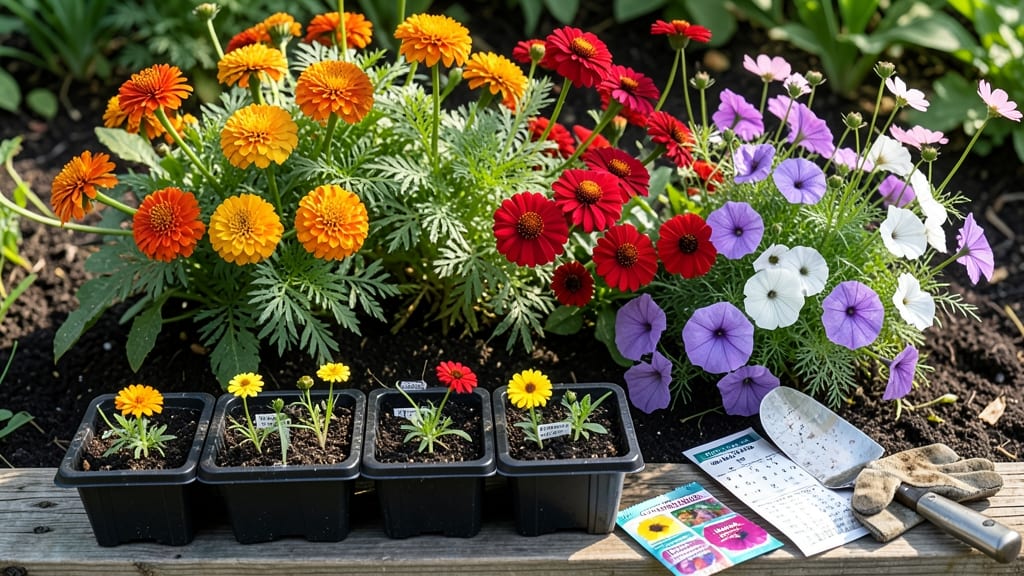
Timing your annuals planting in Missouri could mean the difference between a garden bursting with 🌸 vibrant blooms and one that struggles to take root.
With the state's 5b-6b climate zones, getting those seeds in the ground at the right moment is everything - too early and frost will nip them, too late and you'll miss peak growing months.
Most gardeners know the basics: wait until after the last frost, which typically arrives between late March and mid-April. But here's where it gets tricky - Missouri's diverse regions mean planting windows can vary by 2-3 weeks from St. Louis to Kansas City.
What works perfectly in one area might leave you disappointed in another.
This guide will help you pinpoint exactly when to plant your annual flowers and vegetables based on your specific location, plus insider tips for extending your growing season.
Whether you're dreaming of zesty zinnias or crisp lettuce, we'll cover everything you need to know to make this your most successful planting season yet.
From soil temperature checks to succession planting strategies, you'll learn how to maximize your garden's potential without wasting seeds or money. Let's get those annuals growing on schedule - your future garden will thank you!
Missouri’s last-frost dates by region: exact planting timelines
Missouri’s last-frost dates vary dramatically across its 11 regions, from the humid Mississippi River Valley to the drier Ozark Highlands. These dates determine whether your annual marigolds bloom in June or your basil bolts before harvest.
I’ll break down the exact average last-frost dates for Missouri’s key regions—plus how to adjust for microclimates like urban heat islands or sheltered valleys.
First, know that Missouri spans USDA Hardiness Zones 5b–6b, but frost timing isn’t just about the zone—it’s about elevation, proximity to water, and urban sprawl.
For example, St. Louis (Zone 6a) typically sees its last frost around April 15, while Kansas City (Zone 5b) hangs onto frost until April 22. Rural areas like Sedalia (Zone 6b) can be 1–2 weeks earlier than cities due to heat-retention effects.
🌱 Pro Tip: Use the Missouri State Climatologist’s frost maps (linked below) for real-time updates, as La Niña or El Niño years can shift dates by 10+ days. Bookmark this interactive tool for your county’s 10-year frost averages.
Missouri Regions: Last-Frost Dates & Planting Windows
| Region | USDA Zone | Avg. Last Frost | Safe Planting After | First Frost Risk |
|---|---|---|---|---|
| St. Louis Metro | 6a | April 15 | April 22 (wait 7 days) | Oct 25 |
| Kansas City | 5b | April 22 | April 29 | Oct 18 |
| Columbia | 6b | April 10 | April 17 | Oct 20 |
| Sedalia | 6b | April 5 | April 12 | Oct 22 |
| Springfield | 6a | April 18 | April 25 | Oct 15 |
| Joplin | 6b | April 12 | April 19 | Oct 28 |
| Ozark Highlands | 5b-6a | April 25 | May 2 | Oct 10 |
📍 Note: Urban areas (e.g., St. Louis) can be 3–5°F warmer than rural zones—adjust planting dates 1 week earlier if your garden is in a heat sink.
For cool-season annuals like lettuce or pansies, you can plant 4–6 weeks before the last frost date. But warm-season plants—think tomatoes, peppers, and zinnias—need soil temps above 60°F and no frost risk.
In Missouri, that means waiting until after May 1 in northern regions or mid-April in southern zones like Poplar Bluff (Zone 7a).
Missouri’s first-frost dates also vary wildly. While St. Louis might see frost by October 25, the Ozarks can drop below freezing as early as October 10.
This is critical for fall annuals like cosmos or snapdragons, which you’ll want to sow by August 1–15** to bloom before frost.
Use this 3-step rule to time your planting:
- Check your region’s last-frost date (table above).
- Wait 7–10 days after the average date for w
Best annual plants for Missouri’s short vs. long growing seasons
Missouri’s 90–180-day growing seasons demand smart choices when selecting annuals. Short-season areas (like northern Missouri) need fast-blooming varieties, while longer-season zones (southern Missouri) can handle heat-lovers like sunflowers. My top picks balance heat tolerance, cold resistance, and bloom duration to maximize your garden’s potential.
For cool-season annuals, prioritize varieties that thrive in 50–70°F soil. These include pansies, snapdragons, and sweet alyssum, which bloom early and tolerate light frosts. In contrast, warm-season annuals like marigolds, zinnias, and cosmos need soil above 60°F and flourish in Missouri’s summer heat.
| Plant Type | Best For | Bloom Duration | Heat Tolerance |
|---|---|---|---|
| Cosmos | Short/Long Seasons | Summer–Fall | Very High |
| Zinnias | Long Seasons | Summer–Frost | High |
| Pansies | Short/Cool Seasons | Spring/Fall | Low |
| Sunflowers | Long Seasons | Summer–Fall | Very High |
| Marigolds | All Seasons | Summer–Frost | High |
In northern Missouri, where frost lingers until mid-April, opt for fast-growing annuals like bachelor’s buttons or nasturtiums. These thrive in cool soils and bloom within 6–8 weeks, giving you color before summer’s heat peaks.
Meanwhile, southern Missouri’s longer seasons (up to 200 frost-free days) allow for tall sunflowers or dahlias, which need 100+ days to mature.
Pro tip: Use succession planting for short-season areas. Start with cool-season crops in early spring, then swap for warm-season annuals after May 15. For example, plant lettuce in March, then replace it with marigolds in June to keep your garden vibrant year-round.
Don’t overlook heat-tolerant veggies like okra or sweet potatoes for late summer. These thrive in 90°F+ temps and extend your harvest window. Pair them with shade-loving annuals like coleus or impatiens to add color without stressing plants during Missouri’s humid summers.
My top 3 annuals for Missouri? Zinnias (long bloom time), cosmos (drought-resistant), and pansies (early/late season). These cover sun exposure, heat tolerance, and seasonal flexibility—perfect for Missouri’s unpredictable weather.