
Plants
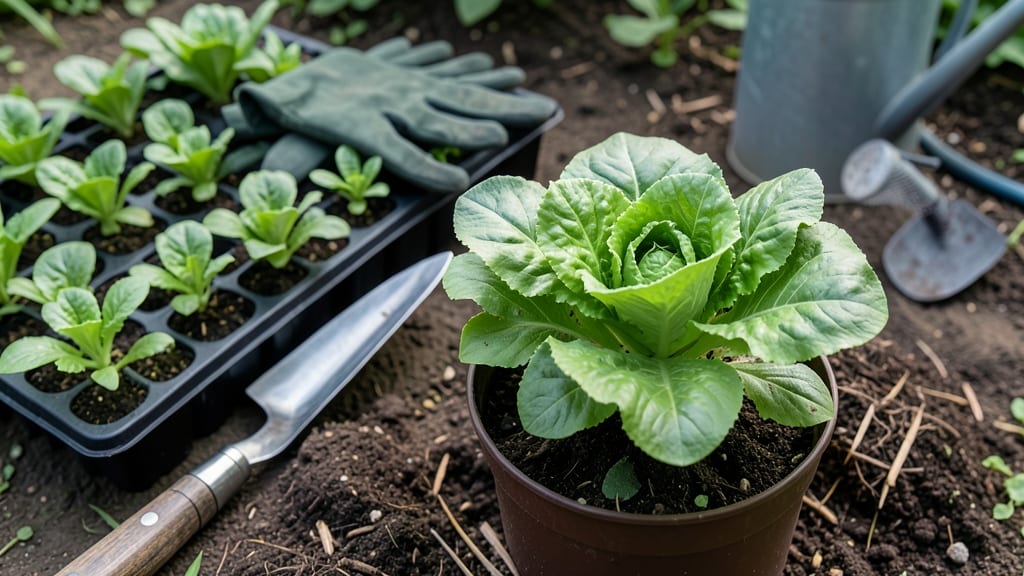
Planting lettuce in Georgia at the wrong time can turn your crisp 🥬 dreams into bitter disappointment—especially when sweltering summer heat or unpredictable frost dates throw off your timing.
The key to success lies in understanding your microclimate, whether you're in the humid coastal plains or the cooler Piedmont region, where even a few weeks' difference can mean the difference between a thriving garden and a failed harvest.
Most gardeners in USDA zones 7b-8a know the ideal window runs from late winter through early spring, but the real secret is adapting to Georgia's regional quirks. In North Georgia, you might start as early as February, while South Georgia gardeners often wait until March to avoid early heat stress.
The goal? Beat the bolting trigger by planting when daytime temperatures stay below 75°F—a critical threshold for lettuce lovers.
What you'll discover here are the precise planting dates tailored to Georgia's three distinct growing zones, plus pro tips for extending your harvest into fall.
We'll cover everything from soil prep to heat-tolerant varieties that actually thrive in Georgia's climate, so you can enjoy fresh salads from spring through early winter without the guesswork.
Ready to transform your garden into a lettuce powerhouse? Let's dive into the timing strategies that will have you harvesting crisp, flavorful greens all season long—no matter where in Georgia you're growing.
Best lettuce planting dates by Georgia’s 3 microclimates
Georgia’s climate varies dramatically from its mountainous north to its humid southern coast, making a one-size-fits-all planting schedule impossible. To grow crisp, bolting-free lettuce, you must align your planting with your region’s frost dates and summer heat patterns. Let’s break it down by Georgia’s three distinct zones.
North Georgia (USDA Zones 7b-6a) enjoys cooler temperatures, especially in the Blue Ridge Mountains, where lettuce thrives in spring and fall. Central Georgia (Zones 7b-8a) balances heat and humidity, while South Georgia (Zones 8a-9a) stays warm year-round, requiring shade and succession planting for summer success.
Here’s a microclimate-specific planting calendar to maximize your harvest:
| Region | Spring Planting | Fall Planting | Key Notes |
|---|---|---|---|
| North Georgia (Mountains) | Feb 15 - Mar 31 | Aug 15 - Sep 15 | Cooler temps; extend season with row covers. |
| Central Georgia (Piedmont) | Mar 1 - Apr 15 | Aug 1 - Sep 10 | Hot summers; use shade cloth for June-July. |
| South Georgia (Coastal) | Oct 15 - Nov 30 (winter crop) | Jul 15 - Aug 31 | Year-round growth possible; prioritize heat-tolerant varieties. |
In North Georgia, you can start seeds indoors in January for an early spring harvest, while Central Georgia gardeners should wait until soil warms to 50°F (March). For South Georgia, focus on fall and winter plantings to avoid summer’s oppressive heat.
Pro tip: Use succession planting every 2-3 weeks to ensure a continuous supply. For example, in Central Georgia, plant one batch in early March, another in late March, and a final batch in early April for staggered harvests through June.
Always check your local frost dates—North Georgia’s last frost typically arrives by March 15, while South Georgia rarely sees frost. Planting 6-8 weeks before the last frost ensures healthy seedlings before warm weather arrives.
For fall harvests, aim to plant seeds 8-10 weeks before the first frost (usually late November in most of Georgia). In South Georgia, where frost is rare, focus on shade and irrigation to keep lettuce crisp during summer months.
Heat-tolerant varieties like Romaine or Buttercrunch perform best in Georgia’s summers, while Looseleaf varieties bolt faster in hot conditions. Adjust your seed selection based on your microclimate and planting season.
Remember: Soil temperature matters just as much as air temperature. Lettuce seeds need soil that’s at least 40°F to germinate. Use a soil thermometer to monitor conditions, especially in North Georgia’s cooler springs.
🌱
How to extend lettuce growing season in Georgia’s hot summers
Georgia’s summer heat can turn your lettuce into bitter, bolted disappointment faster than you can say "salad season." But with the right strategies, you can keep harvesting crisp greens even when temperatures soar past 85°F.
The key is combining shade solutions, heat-tolerant varieties, and smart planting techniques tailored to Georgia’s USDA zones 7b-8a.
Most gardeners give up on summer lettuce entirely, but I’ve successfully grown Romaine and Buttercrunch varieties through July using these proven methods. The difference between failure and success often comes down to one factor: heat management. Let’s break down the actionable techniques that work in Georgia’s climate.
🌱
- Use 30-50% shade cloth to block afternoon sun (1 PM–5 PM). In South Georgia’s coastal heat, even 30% reduction can prevent bolting. Secure cloth with stakes or a hoop system.
- Plant heat-tolerant varieties like Jericho or Black Seeded Simpson. These hold up better than Butterhead when temps hit 90°F. Start seeds indoors 4–6 weeks before transplanting in late July.
- Practice succession planting every 2 weeks. Sow small batches in partial shade beds from June through August. This ensures a staggered harvest before fall’s cooler weather arrives.
- Water deeply in early morning (before 8 AM) to keep soil consistently moist. Use drip irrigation to avoid wetting leaves, which reduces fungal risks like downy mildew—a common summer issue.
- Mulch with straw (2–3 inches) to insulate roots and retain moisture. In North Georgia’s Piedmont region, this can lower soil temps by 5–10°F, creating a cooler microclimate for lettuce.
One common mistake I see is assuming all lettuce varieties perform equally in summer. For example, Butterhead lettuce bolts almost immediately when daytime temps exceed 78°F, while Romaine can tolerate up to 85°F with proper shade.
If you’re set on growing tender varieties like Bibb, focus on late summer plantings (August) when nights cool slightly.
For container gardeners, choose shallow-rooted varieties like Looseleaf and use 10–12 inch pots with well-draining soil. Place containers in elevated beds or on patios where they get morning sun only.
I’ve had success with 5-gallon buckets filled with a mix of peat moss and compost, which retains moisture better than standard potting soil.
💧