
Companion Plants
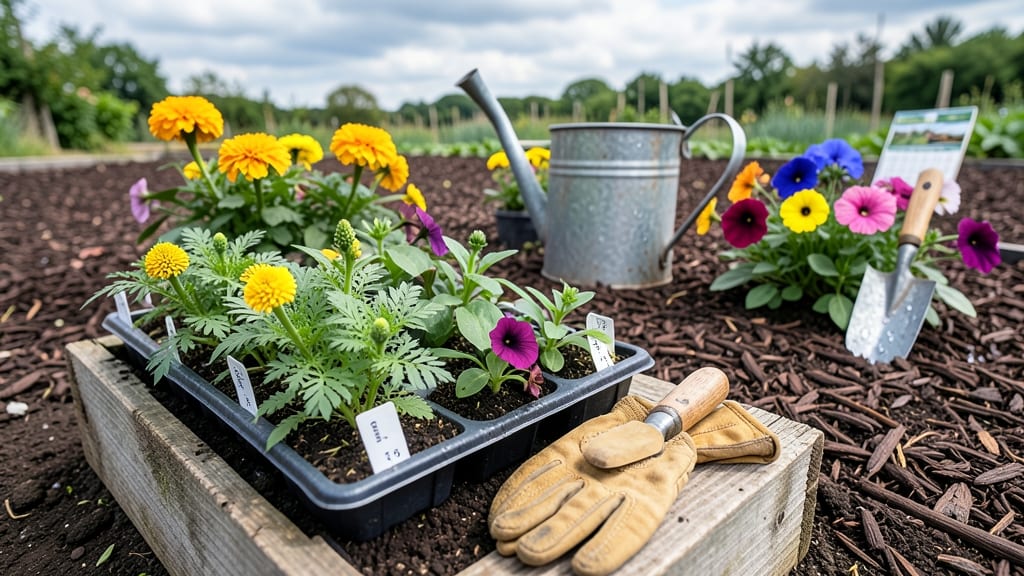
Timing your annuals planting in Zone 7 could mean the difference between a burst of vibrant blooms and a season of wilting disappointment. With last frosts creeping in around mid-April and first frosts arriving by November, getting those seeds in the ground at the right moment is everything.
I’ve learned the hard way that rushing too early or waiting too long can leave your 🌸 annuals struggling—or worse, lost to a surprise frost. The key isn’t just about the calendar; it’s about soil warmth, microclimates, and knowing which varieties thrive when.
Let me walk you through the exact windows that’ll give your garden the best shot at success.
From cold-hardy snapdragons in early spring to heat-loving basil in summer, each plant has its own sweet spot. You’ll discover how to stretch your growing season with simple tricks, like row covers or succession planting, so you’re harvesting long after most gardeners have packed it in.
Ready to transform your garden into a year-round showstopper? Let’s dive into the perfect planting schedule for Zone 7—and why those extra weeks matter more than you think.
Zone 7 last frost dates: exact weeks before planting annuals for maximum success
Timing your annual plantings in Zone 7 hinges on understanding last frost dates, which typically range from March 15–April 15 depending on your specific microclimate.
These dates mark the window when soil temperatures rise above 50°F (10°C), making it safe for most tender annuals like marigolds and basil to thrive without frost damage. Missing this window can leave your seedlings vulnerable to late-season freezes, which are common in Zone 7's transitional climate.
For Zone 7a (colder microclimates like Roanoke, VA), the average last frost date is April 15, while Zone 7b (warmer areas like Atlanta, GA) often sees frost-free conditions by April 1.
Urban areas may experience earlier warming due to the heat island effect, while rural zones can lag by 1–2 weeks. Always verify with your local cooperative extension service for precise data tailored to your ZIP code.
To calculate your personal planting window, subtract 2–4 weeks from your last frost date. This accounts for seedling establishment time—most annuals need 4–6 weeks to mature enough to handle outdoor conditions.
For example, if your last frost is April 15, start planting hardy annuals like pansies by March 1 and heat-loving varieties like tomatoes after May 1.
Soil temperature is just as critical as air temperature. Use a soil thermometer to confirm readings of at least 60°F (15°C) before planting warm-season annuals. Cool-season crops like lettuce or spinach can tolerate 45°F (7°C) soils, but peppers and eggplants will stall below 55°F (13°C).
Test your soil a week before planting to avoid delays.
| Zone 7 Type | Last Frost Date | Safe Planting Window | Soil Temp Threshold | Example Annuals |
|---|---|---|---|---|
| Zone 7a (colder) | April 15 | March 15–April 15 (cool-season) May 15–June 1 (warm-season) |
45°F (7°C) for lettuce 60°F (15°C) for tomatoes |
Pansies, Kale, Snapdragons, Marigolds |
| Zone 7b (warmer) | April 1 | February 28–March 31 (cool-season) April 15–May 15 (warm-season) |
40°F (4°C) for spinach 55°F (13°C) for peppers |
Alyssum, Radishes, Basil, Petunias |
| Urban Microclimate | March 20–April 10 | February 15–March 15 (cool-season) April 20–May 10 (warm-season) |
50°F (10°C) for most annuals | Violas, Nasturtiums, Zinnias, Cucumbers |
| Rural Microclimate | April 20–May 1 | March 20–April 10 (cool-season) May 15–June 1 (warm-season) |
55°F (13°C) minimum | Sweet Peas, Broccoli, Okra, Sunflowers |
Protecting your early plantings with row covers or cloches can push your planting window back by 3–4 weeks. For example, you might safely plant cold-sensitive annuals like basil as early as April 1 in Zone 7b with a floating row cover in place.
Always remove covers during the day to prevent heat stress and water thoroughly before applying them at dusk.
Fall planting in Zone 7 offers a second chance for cool-season annuals. Aim to plant 4–6 weeks before your first frost (typically October 15–November 1). Hardy varieties like kale or pansies can survive light frosts, while spinach or radishes may bolt if exposed to freezing temperatures.
Use black plastic mulch to extend the season by 2–3 weeks in fall.
Track your local frost dates using resources like the National Oceanic and Atmospheric Administration (NOAA) or apps like PlantNet. These tools provide historical data and real-time alerts for unexpected late frosts.
Combine this with on-the-ground observations—like checking for blooming crocuses (a sure sign of spring)—to fine-tune your planting schedule for Zone 7 success.
Best annuals to plant by month in Zone 7: a month-by-month survival guide
Zone 7 gardeners have two prime planting windows for annuals: spring (after last frost) and fall (before first frost). Each month offers unique opportunities—from frost-hardy flowers in March to heat-loving veggies in July. Let’s break down the best annuals to plant monthly to maximize your garden’s potential.
Start with cold-tolerant annuals like snapdragons and pansies in early spring (March–April). These thrive in 50–60°F soil and can handle light frosts. By May, transition to warm-season favorites like tomatoes and marigolds, which need 60°F+ soil to germinate successfully.
🌱 Zone 7 Monthly Planting Guide
- March–April: Snapdragons, Pansies, Lettuce, Kale (50–60°F soil)
- May: Basil, Petunias, Zinnias, Cucumbers (60°F+ soil)
- June–July: Sunflowers, Cosmos, Peppers, Tomatoes (70°F+ soil)
- August: Marigolds, Nasturtiums, Bush Beans (65°F+ soil)
- September: Aster, Sweet Alyssum, Spinach (55–65°F soil)
For spring plantings, prioritize cool-season crops like broccoli and carrots in March, then shift to heat-lovers by June. Use row covers to protect early seedlings from unexpected frosts. In fall, opt for fast-maturing annuals like radishes or bush beans planted by August to harvest before frost.
Pro tip: Succession plant heat-sensitive annuals like basil every 2–3 weeks in June–July to ensure continuous harvests. Avoid planting tomatoes or peppers before soil warms—cold soil delays germination and invites disease.
In Zone 7b (warmer microclimates), you can push late-summer plantings like cosmos or zinnias into early September. Monitor first frost dates (Nov 1–15) and use cold frames to extend fall blooms for asters or pansies.
Remember: Soil temperature matters more than air temperature. Use a soil thermometer to confirm readiness—most annuals need 60°F+ for optimal growth. Adjust your planting schedule based on your local microclimate (urban areas may frost later than rural spots).