
Plants
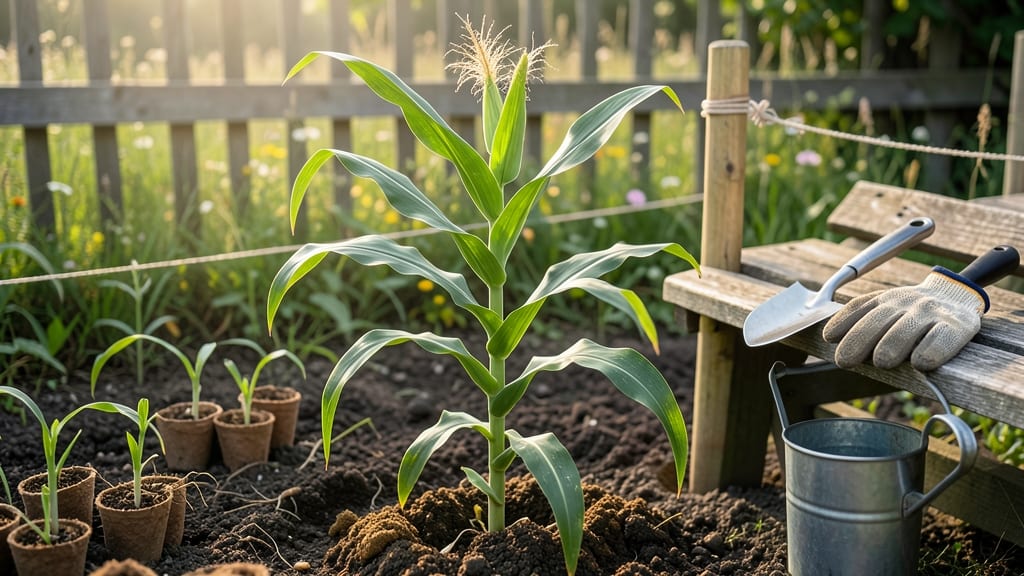
Timing your 🌽 corn planting in New Jersey can mean the difference between a bumper crop and wasted effort. Get it wrong, and frost or heat will sabotage your harvest before you even taste those sweet kernels.
Most gardeners in USDA Zones 6a-7b know the window is tight—mid-April to early June—but without precise soil temperature checks, you might still miss the mark. I’ll break down exactly when to plant based on your local frost dates and soil conditions, so you can maximize your yield without guesswork.
Whether you’re a first-time gardener or a seasoned pro, knowing the ideal weeks before last frost is the key to juicy, plump ears by late summer. Let’s make sure your corn thrives from seed to harvest.
We’ll also cover soil prep, variety selection, and how to adjust for New Jersey’s microclimates—because even a few degrees can change everything. Ready to grow corn like a pro?
New Jersey corn planting calendar: exact weeks before last frost by Zone
New Jersey’s USDA Zones 6b, 7a, and 7b create subtle but critical differences in corn planting timing.
The last average frost date typically falls between April 15 and May 1, but your exact location—whether you’re in coastal Cape May or inland Sussex County—can shift your planting window by 1-2 weeks.
For sweet corn, aim to plant 2-4 weeks before your last frost, but never before soil temperatures hit 50°F.
Corn thrives when planted in blocks (not rows) to improve pollination, especially in New Jersey’s humid summers. Early varieties like ‘Silver Queen’ (70-day maturity) can handle cooler soils, while late-season picks like ‘Bodacious’ (90+ days) need warmer soil (60°F+) to germinate reliably.
My rule? Wait until the soil is workable—squeeze a handful, and if it crumbles, it’s ready!
Here’s your zone-specific planting schedule, based on New Jersey’s frost-free averages and corn’s 60-90 day maturity range. Use this as your guide to align planting with harvest windows from late July to October.
| Zone | Last Frost Date | Optimal Planting Window | Soil Temp Threshold | Harvest Window |
|---|---|---|---|---|
| 6b (Cape May, Atlantic City) | April 15–April 30 | April 20–May 15 | 50°F+ (earlier for early varieties) | Late July–early October |
| 7a (Trenton, Newark) | April 20–May 5 | April 25–May 20 | 55°F+ (standard for most varieties) | Late July–mid-October |
| 7b (Sussex, Morris) | May 1–May 10 | May 1–May 25 | 60°F+ (critical for late varieties) | Mid-August–late October |
🌽 Pro Tip: Plant in successive batches every 2 weeks to stagger harvests and avoid glut.
For early-season corn (60-70 days to maturity), like ‘Ambrosia’, start planting as soon as soil is workable—even if it’s late March or early April in Zone 6b. These varieties tolerate cooler soils and can produce earlier harvests before summer heat arrives.
In contrast, late-season varieties (90+ days) should wait until mid-May in Zone 7b to ensure they mature before the first frost.
New Jersey’s humidity and summer heat can stress corn, so timing is key. Plant too early, and cold soils delay germination; too late, and drought or early frost cuts yields. My sweet spot?
Plant mid-April to early June, adjusting for your zone. For example, in Zone 7a (Trenton), I plant ‘Peaches and Cream’ around May 1 to harvest by late August before humidity peaks.
Don’t forget: Corn is wind-pollinated, so plant in blocks (not rows) to improve cross-pollination. A 4x4 foot block with 4-6 seeds per hill, spaced 12 inches apart, works perfectly for home gardens.
This setup also makes it easier to mulch and water deeply—critical steps in New Jersey’s sandy coastal soils or clay-heavy inland areas.
If you’re pushing the limits—like planting late June corn for a fall harvest—choose fast-maturing varieties (60-70 days) and use row covers to extend the season. I’ve had success with ‘Early Sunglow’ planted in late May in Zone 7a, yielding early August ears before the heat becomes oppressive.
Track your local frost dates using resources like the NJ State Climate Office or Almanac’s Frost Calculator. In my garden, I also use a soil thermometer to confirm 50°F+ soil temps before planting. This
How to adjust corn planting for New Jersey’s microclimates and soil types
New Jersey’s diverse geography—from sandy coastal plains to clay-rich inland areas—means your corn’s success hinges on adapting planting strategies to your local microclimate.
Coastal regions like Cape May have warmer soils earlier (plant by mid-April), while inland zones like Sussex County may need to wait until late April due to cooler nights. Urban gardens with limited space? No problem—raised beds can extend your planting window by 2-3 weeks compared to ground planting.
Soil type plays a critical role too. Sandy soils warm faster in spring but drain quickly, requiring daily watering once plants emerge. Clay soils, common in central NJ, hold moisture but can become waterlogged after rain, stunting roots.
Amending with compost or aged manure (2-3 inches mixed into the top 6 inches) improves drainage and fertility for both extremes. My go-to tip: Test your soil’s pH—corn thrives in 6.0-7.0, and lime may be needed for acidic soils.
⚠️ Warning: Late Planting Risks
Planting after mid-June in NJ risks earworm damage and drought stress before harvest. Late varieties (like 'Bodacious') can handle shorter seasons but need warmer soil temperatures (65°F+) to germinate reliably. If you must plant late, use black plastic mulch to raise soil temps by 5-10°F.
For urban gardeners with limited space, consider bush corn varieties like 'Golden Bantam' (matures in 60 days) or 'Temptation' (70 days). These grow 3-4 feet tall instead of 8 feet, saving room for companion plants like beans or lettuce.
Just ensure they get full sun—even compact varieties need 6+ hours daily. My urban hack: Plant in 5-gallon containers with a balanced fertilizer (10-10-10) at planting and mid-season to compensate for root restrictions.
Mulching is a game-changer for NJ’s humidity and temperature swings. Apply straw or shredded leaves (3-4 inches thick) after seedlings emerge to retain moisture and suppress weeds. Avoid plastic mulch—it can overheat soil in summer, stressing roots.
In coastal areas, where winds are stronger, stake taller varieties (like 'Peaches and Cream') with bamboo stakes at planting to prevent lodging. Pro tip: Plant in blocks (not rows) to improve pollination, especially in windy zones.
Extending the growing season for late varieties? Try row covers or low tunnels to protect young plants from late spring frosts (common in northern NJ). Remove covers once plants reach 12 inches tall to prevent overheating.
For fall harvests, start late varieties (like 'Silver Queen') by July 1st—they’ll mature just before the first frost (mid-October). Just be prepared to harvest quickly once ears form, as NJ’s humidity accelerates earworm activity in late summer.
Finally, monitor soil moisture closely during tasseling (when pollen appears)—this is corn’s most water-sensitive stage. Sandy soils may need drip irrigation to avoid stress, while clay soils benefit from deep, infrequent watering (1-2 inches per week).
My fail-proof method: Stick your finger 2 inches into the soil—if it’s dry, water deeply. Consistency is key: uneven moisture leads to blind ears (no kernels) or off-flavor corn.