
Plants
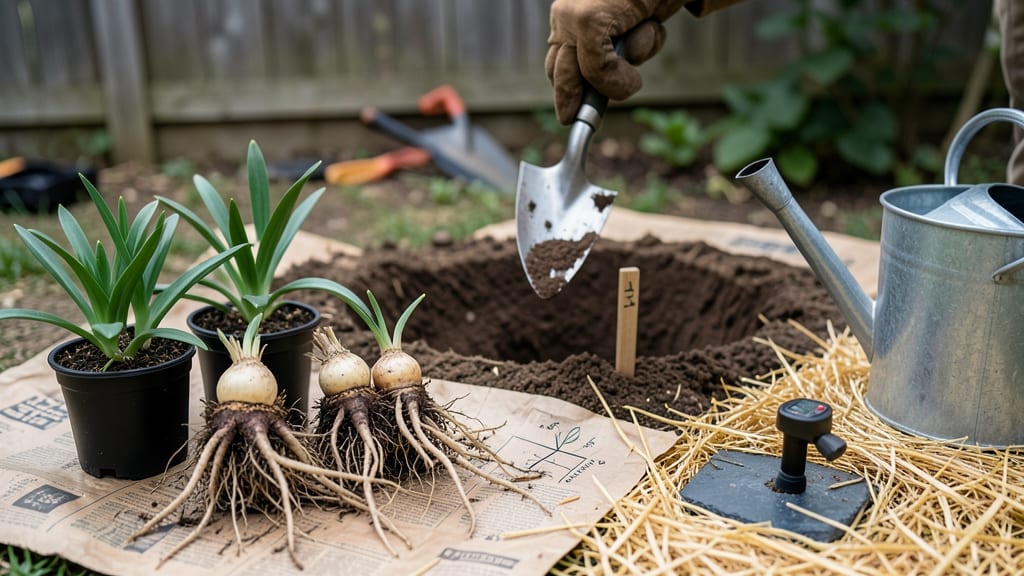
If you’ve ever struggled with weak, underperforming daylilies 🌸, the answer might be simpler than you think—it’s all about when to plant daylily bulbs in Zone 8.
Planting these hardy perennials at the wrong time can leave them fighting for survival, while the right timing sets them up for lush, vibrant blooms year after year.
In Zone 8, where mild winters and long growing seasons create a unique climate, timing is everything. Whether you’re a seasoned gardener or just starting out, knowing the exact weeks before your last frost—typically around March 15—can make all the difference.
But there’s more to it than just dates: soil temperature, frost risk, and even your local microclimate play a role.
I’ll break down the science behind the ideal planting window, including how to adjust for container vs. in-ground planting, and what to watch for in your specific part of Zone 8.
Plus, I’ll share pro tips for preparing your soil and caring for your daylilies after planting to ensure they thrive from the get-go.
Ready to transform your garden with strong, healthy daylilies? Let’s dive into the exact steps and timing you need to succeed in Zone 8.
Exact weeks before last frost to plant daylily bulbs in Zone 8
Daylilies thrive in Zone 8, but their planting window depends on whether you're in Zone 8a (colder) or Zone 8b (warmer). For most of Zone 8, aim to plant 4-6 weeks before the average last frost date, which typically falls around mid-March.
This timing gives roots time to establish before summer heat arrives.
In Zone 8a (northern areas like Las Vegas or Phoenix outskirts), plant between February 15 and March 15. For Zone 8b (southern areas like San Diego or coastal California), you can extend planting until April 1—just avoid extreme heat waves, which stress new roots.
Daylilies are crowns, not bulbs, so handle them gently. Planting too early risks frost damage, while waiting too late may stunt growth before summer blooms. The key is soil temperature: wait until it reaches 60°F (15°C) at least 6 inches deep.
For container planting, adjust timing slightly—plant 2 weeks earlier than in-ground to account for slower warming of pots. Containers also dry out faster, so monitor moisture closely during establishment.
Here’s the ideal planting window for Zone 8 daylilies, broken down by method and microclimate:
| Planting Method | Zone 8a Window | Zone 8b Window | Soil Temp Requirement |
|---|---|---|---|
| In-Ground | Feb 15–Mar 15 | Feb 28–Apr 1 | 60°F (15°C) |
| Containers | Feb 1–Mar 1 | Feb 15–Mar 15 | 55°F (13°C) |
| Fall Planting | Sep 15–Oct 15 | Oct 1–Nov 1 | 65°F (18°C) |
Fall planting is also viable in Zone 8, giving bulbs time to root before winter. Aim for 6-8 weeks before the first frost (typically mid-November), ensuring soil stays above 65°F (18°C) for root growth. Coastal areas may extend this window slightly due to milder winters.
Use a soil thermometer to confirm readiness—planting too soon in cold soil can cause rot. In Zone 8a, prioritize spring planting; in Zone 8b, fall or early spring both work well. For container-grown daylilies, add perlite to potting mix to improve drainage and prevent soggy roots.
Pro tip: If your area experiences unpredictable frosts, use row covers for the first 2 weeks after planting to protect tender new growth. This is especially useful in higher-elevation Zone 8a spots where nights can still dip below freezing.
After planting, mulch with 2-3 inches of organic mulch (like straw or shredded leaves) to retain moisture and regulate soil temperature. This step is critical in Zone 8’s hot summers, where mulch reduces water loss by up to 30%.
Remember: Daylilies are perennials, so proper timing now means years of low-maintenance blooms. Once established, they’ll reward you with vibrant flowers from mid-summer to early fall—with minimal effort from you.
Exact weeks before last frost to plant daylily bulbs in Zone 8
In Zone 8, daylilies thrive when planted during two key windows: early spring (after your last frost date) or early fall (6-8 weeks before first frost).
The exact timing depends on whether you’re in Zone 8a (colder) or Zone 8b (warmer), with average last frosts ranging from March 15 to April 15.
For spring planting, aim to plant daylily crowns (not bulbs) 2-4 weeks after your last frost date. This gives the soil time to warm to at least 60°F, which daylilies prefer.
In Zone 8a, this typically means late March to early April, while Zone 8b gardeners can start as early as mid-February.
Fall planting is ideal for establishing roots before winter, but timing is critical. Plant 6-8 weeks before your first frost—usually mid-September to early October in Zone 8. This window ensures roots develop but avoids late-season growth that could be damaged by cold snaps.
| Zone 8 Sub-Zone | Last Frost Date | Ideal Spring Planting | Ideal Fall Planting |
|---|---|---|---|
| Zone 8a | March 15 | Late March–Early April | Mid-September–Early October |
| Zone 8b | April 15 | Mid-February–March | Late August–Mid-September |
Container planting offers more flexibility in Zone 8. You can plant daylilies 2-3 weeks earlier in spring or 4-6 weeks later in fall since containers warm up faster. Just ensure your pots have drainage holes to prevent root rot in Zone 8’s humid summers.
Microclimates matter! Coastal areas in Zone 8 (like San Diego) may have earlier last frosts (February), while inland areas (like Austin) might see frost as late as April 15. Check local weather data or use a frost calendar for precise timing.
Pro tip: If you miss the ideal window, don’t panic! Daylilies are resilient. Planting up to 6 weeks late in spring or 4 weeks late in fall still works, though you may need to water more frequently to help roots establish.