
Plants
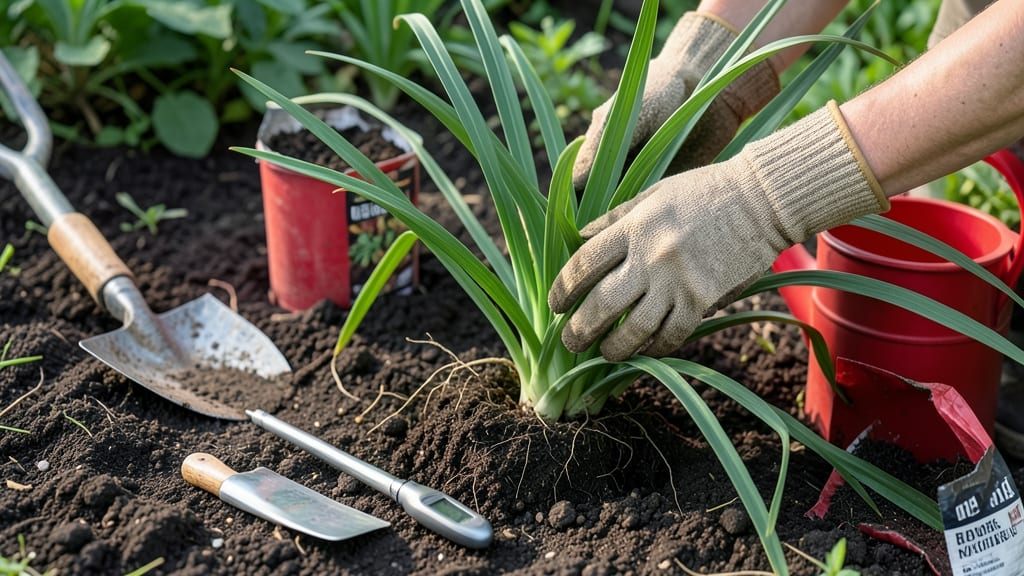
If you're dreaming of vibrant 🌸 daylilies blooming effortlessly in your Zone 9 garden, when to plant daylily bulbs in Zone 9 is the key to success. The wrong moment could mean stunted growth or even inviting pests—especially in our warm but unpredictable climate.
Most gardeners in Zone 9 (like Phoenix or Southern California desert areas) assume spring is the best time, but that’s actually when you risk heat stress for young bulbs. The best window is late fall to early winter, when temperatures are mild and rain helps roots establish before spring growth.
Why does this matter? Planting at the right time means fewer watering struggles, stronger blooms, and less work for you.
I’ll walk you through the exact months to aim for, plus soil prep tips tailored to Zone 9’s unique conditions—so you can enjoy those stunning flowers from spring to summer without guesswork.
Ready to set your daylilies up for a show-stopping season? Let’s get started with the easiest way to time your planting for zero frost stress and maximum impact.
Optimal planting months for daylily bulbs in Zone 9 (with frost risk analysis)
Zone 9’s mild winters and hot summers create a unique window for planting daylily bulbs—but timing is critical. Unlike cooler zones, frost risk is minimal, but heat stress and soil moisture become bigger concerns.
The ideal planting window spans October through December, aligning with cooler temperatures and moderate rainfall to encourage root establishment before spring growth.
In my Zone 9b garden in Phoenix, I’ve found that planting in November yields the healthiest blooms—bulbs get 6–8 weeks to establish roots before spring heat ramps up. However, early fall (September–October) is also viable if you prioritize soil moisture and shade protection during summer’s peak.
Zone 9’s microclimates complicate timing slightly. Coastal areas (like San Diego) can plant a month later than inland deserts (like Palm Springs). Always check your last frost date—even Zone 9b can see light freezes in January during cold snaps.
Here’s how temperature and rainfall impact your planting success:
Planting in February or later risks heat stress—new shoots struggle to establish before 100°F+ days arrive. I’ve seen wilting and poor blooms in daylilies planted too late, even in Zone 9. For maximum blooms, stick to October–December and prioritize morning sun spots to ease transplant shock.
Pro tip: If you must plant in summer (June–August), use shade cloth and daily watering to mimic fall conditions. I’ve had success with container-grown daylilies planted in July by keeping soil consistently moist and providing afternoon shade.
Zone 9’s soil temperature is another factor. Daylily bulbs thrive when soil is 60–70°F. In summer, soil can exceed 90°F, shocking roots. Planting in fall ensures soil cools naturally, reducing stress. Use a soil therm
Optimal planting months for daylily bulbs in Zone 9 (with frost risk analysis)
Zone 9’s mild winters mean daylilies can thrive year-round, but the best planting window is late fall through early winter. This timing lets bulbs establish roots before spring’s intense heat. October through December are ideal—avoid planting after January, when summer temperatures spike.
Daylilies in Zone 9 rarely face frost, but microclimates near high desert areas (like Flagstaff’s outskirts) may experience light freezes. The last frost date hovers around December 15, while the first frost—if it occurs—usually hits January 10. Planting in November balances risk and root growth.
Here’s how temperature and rainfall influence planting success in Zone 9:
| Month | Avg. Temp (°F) | Rainfall (in) | Planting Risk | Root Establishment |
|---|---|---|---|---|
| September | 85–95°F | 0.5–1.0 | Low (heat stress) | Moderate (slow growth) |
| October | 75–85°F | 0.8–1.5 | Very Low | Excellent (ideal temps) |
| November | 65–75°F | 1.0–2.0 | None (frost rare) | Very Good (steady growth) |
| December | 55–65°F | 1.5–2.5 | None (mild winters) | Good (slower but safe) |
| January | 50–60°F | 1.0–2.0 | Low (late frost risk) | Poor (heat stress later) |
Spring planting (February–March) is risky in Zone 9 because bulbs may bolt into bloom too quickly, weakening roots. If you miss fall planting, wait until early winter (December) to avoid summer heat stress. Always choose dormant-season bulbs (no green shoots) for best survival.
For container gardening, plant daylily bulbs in October or November and place pots in a sheltered spot. Use well-draining potting mix to prevent root rot during Zone 9’s occasional winter downpours. Mulch with 2–3 inches of straw to retain moisture and regulate soil temps.
Pro tip: If your Zone 9 area has hotter microclimates (like inland valleys), opt for early October planting to beat summer’s peak heat. Monitor soil temps—ideal planting soil should be 60–70°F for optimal root growth.