
Plants
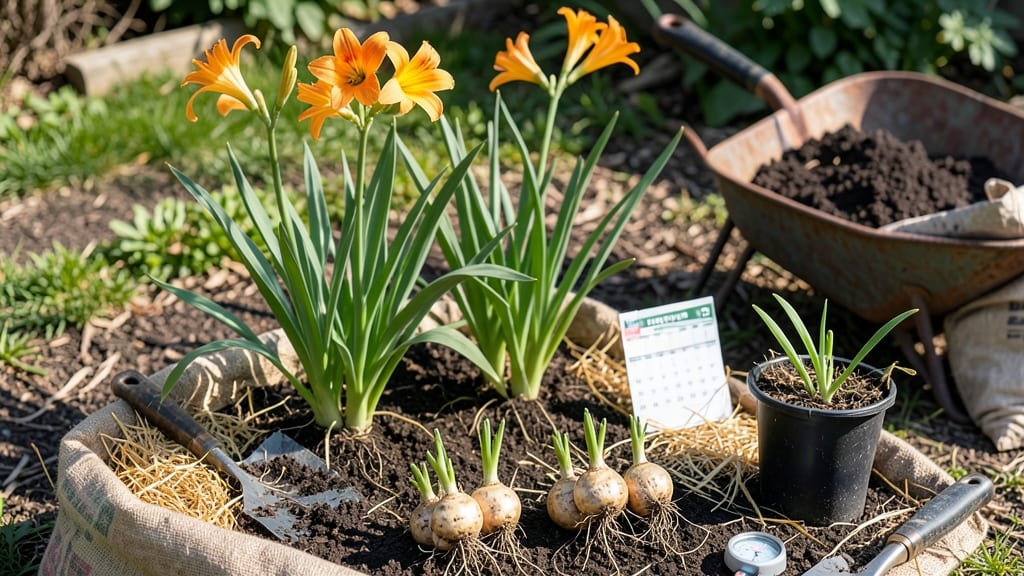
Timing when to plant daylily bulbs in Zone 5 just right is the secret to those vibrant 🌸 blooms you’ve been dreaming of. Plant too early, and frost might still threaten tender shoots—plant too late, and you’ll miss the full bloom season.
The key lies in a 4-6 week frost-free window, but knowing exactly when to dig in can feel tricky.
For Zone 5 gardeners, the best time to plant daylily bulbs isn’t just about months—it’s about soil temperature and local frost dates. Most gardeners find success in early spring (March–April) or early fall (September–October), but regional variations mean you’ll want to double-check your last frost date.
Let’s break down the exact window and how to prep your soil for the best results.
You might wonder: What happens if I plant outside this window? Too early, and you risk frost damage or rot; too late, and your daylilies may struggle to establish strong roots before winter.
I’ll show you how to spot the perfect moment—when soil is workable but not yet overheated—and how to adjust if your season runs a little early or late.
Ready to transform your garden with bold, low-maintenance blooms? By the end of this guide, you’ll know exactly when to plant daylily bulbs in Zone 5—and how to give them the best start for a season of stunning color. Let’s get those bulbs in the ground the right way.
Optimal planting months for daylily bulbs in Zone 5
Daylilies thrive in Zone 5, but timing your planting is everything. The ideal window spans April to early May for spring planting, or late August to September for fall. This aligns with the 165 frost-free days typical in Zone 5, ensuring your bulbs establish roots before winter.
For spring planting, aim for 2-3 weeks before your last frost date (usually mid-May). Check your local USDA frost map to confirm—this prevents tender shoots from frost damage.
In northern Zone 5 (e.g., Minnesota, Wisconsin), plant closer to late April; in southern Zone 5 (e.g., Missouri, Pennsylvania), you can start as early as March.
Fall planting offers a second chance if spring slips by. Plant 6-8 weeks before the first frost (typically mid-October). This gives roots time to anchor before winter dormancy. Avoid planting in October if frost is imminent—bulbs need time to harden off.
Soil temperature is your best guide. Daylily bulbs prefer soil that’s at least 50°F (10°C). Use a soil thermometer to verify—if it’s cooler, wait a week or two. Warmer soil = faster root growth and stronger plants.
Pro tip: If your soil is still too cold, use row covers or a cold frame to extend the planting season. This protects young shoots and lets you plant up to 2 weeks earlier in spring or 2 weeks later in fall.
🌱 Daylily Planting Timeline for Zone 5
| Stage | Action | Soil Temp |
|---|---|---|
| Spring Planting | 2-3 weeks before last frost | ≥50°F (10°C) |
| Fall Planting | 6-8 weeks before first frost | ≥40°F (4°C) |
| Northern Zone 5 | Late April–early May | Wait for 50°F |
| Southern Zone 5 | March–April | Soil warms faster |
📌 Note: Adjust for microclimates—low spots freeze later!
To find your exact last frost date, visit the USDA Plant Hardiness Zone Map or check your local cooperative extension service. For example, Chicago (Zone 5b) has an average last frost of April 20, while St. Louis (Zone 6a) can plant as early as March 15.
Once you’ve nailed the timing, prepare your soil by amending it with compost or aged manure to improve drainage. Daylilies hate soggy roots, so avoid heavy clay soils. If your garden is rocky, plant in raised beds for better root development.
After planting, water deeply to settle the soil around the bulbs. Mulch with 2-3 inches of straw to retain moisture and regulate temperature. This step is critical in Zone 5’s unpredictable spring weather—mulch keeps roots from overheating or freezing.
Remember, daylilies are perennials, so getting the timing right now means years of low-maintenance blooms. With the right window, your daylilies will reward you with vibrant flowers from mid-summer to fall, often reblooming into early autumn.
For extra insurance, plant a few bulbs in containers alongside your in-ground planting. This lets you move them to safety if an unexpected frost threatens. Containers also warm up faster in spring, giving you a head start on the season.
Optimal planting months for daylily bulbs in Zone 5
In Zone 5, timing your daylily bulb planting is critical—aim for a 4-6 week frost-free window to ensure strong root establishment before summer heat arrives. The ideal months are April and May for spring planting, or late September to early October for fall planting.
Daylilies thrive when planted 2-3 weeks before your last frost date (typically mid-May in Zone 5). This gives roots time to anchor before summer’s intense heat. For fall planting, aim for 6-8 weeks before the first frost (usually mid-October), allowing roots to establish before winter dormancy.
| Season | Best Months | Soil Temp | Key Tip |
|---|---|---|---|
| Spring | April–May | 50–60°F | Plant after last frost, when soil is workable |
| Fall | September–October | 55–65°F | Avoid planting too late—roots need 6+ weeks to establish |
| Northern Zone 5 | May or September | 50–55°F | Wait for warmer soil—use row covers if needed |
| Southern Zone 5 | April or late August | 55–60°F | Soil warms earlier—plant sooner |
To verify your last frost date, check the USDA Plant Hardiness Zone Map or your local Cooperative Extension Service.
Northern areas of Zone 5 (e.g., Minnesota, Wisconsin) may need to wait until late May, while southern regions (e.g., Kansas, Missouri) can plant as early as mid-April.
For spring planting, prioritize well-draining soil and full sun exposure (6+ hours daily). If your soil is still cold or soggy, delay planting until temperatures stabilize. In fall, focus on root establishment—avoid planting when frost is imminent, as tender roots won’t survive.
Pro tip: Use a soil thermometer to confirm soil temps are above 50°F before planting. If temps drop unexpectedly, protect young plants with mulch or frost cloth to extend the growing season.
Remember, daylilies are perennials, so getting the timing right now means years of vibrant blooms with minimal effort. Aim for that 4-6 week frost-free window, and your daylilies will reward you with bold, colorful flowers from mid-summer onward. 🌸