
Plants
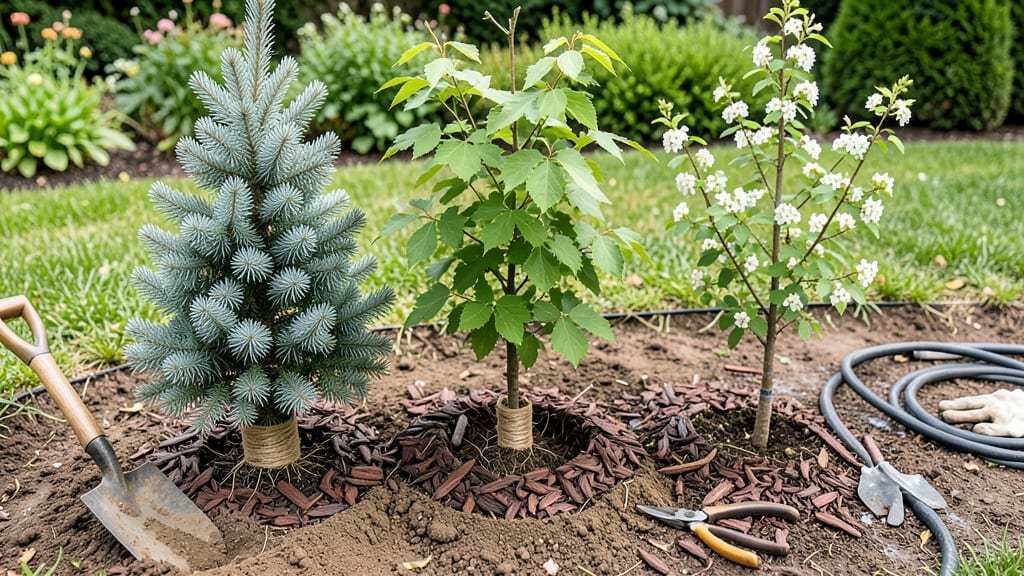
Timing your tree planting in Colorado wrong could mean watching your new 🌳 struggle through harsh winters or dry summers—but get it right, and you’ll set the stage for decades of growth.
Colorado’s 5-7 USDA zones create unique challenges, from the Front Range’s urban heat islands to the Western Slope’s high-altitude winds.
Most gardeners know spring and fall are ideal, but Colorado’s variable frost dates (April 15 on average, but earlier in mountain regions) demand precision. Plant deciduous trees like aspens or fruit trees in early spring or fall, while evergreens need extra care to avoid transplant shock during summer droughts.
I’ll break down the exact months for your zone, plus how to prep soil and choose species that thrive in Colorado’s climate. Whether you’re in Denver’s urban sprawl or a rural high-desert area, these tips will help your tree take root strong.
Ready to plant with confidence? Let’s dive into the best windows, critical adjustments, and common mistakes to avoid—so your 🌳 grows tall and healthy for years to come.
Best Colorado planting months by hardiness Zone (5-8)
Colorado’s diverse USDA hardiness zones 5-8 create unique planting challenges, from Denver’s Zone 5-6 to the Zone 7-8 Western Slope. The best time to plant trees depends on your elevation and microclimate—fall and early spring are your golden windows for strong root establishment before winter or summer stresses.
For Denver and Front Range gardeners (Zones 5-6), aim for late April through May or September to early October. In Colorado Springs (Zone 5), plant 1-2 weeks earlier due to earlier frost dates.
Meanwhile, Western Slope areas like Grand Junction (Zone 7) can extend planting into late October thanks to milder winters.
Evergreens like blue spruce or Ponderosa pine need special care—they’re best planted in early fall (September) to establish roots before winter drought. Deciduous trees, such as maples or fruit trees, thrive when planted in late fall (October-November) or early spring (March-April).
Here’s a quick reference for Colorado’s planting zones, including elevation adjustments and frost-free windows:
| Zone & Location | Best Planting Months | Elevation Adjustment | Key Considerations |
|---|---|---|---|
| Zone 5: Denver, Boulder, Colorado Springs | April-May or September-October | +1 week higher elevation | Frost risk after October 15 |
| Zone 6: Fort Collins, Pueblo | April or September-November | -1 week lower elevation | Longer frost-free window |
| Zone 7-8: Grand Junction, Durango | March-April or October | +2 weeks higher desert zones | Drought stress in summer |
| Mountain Regions (Zones 4-5) | May-June or August-September | +2-3 weeks later | Short growing season |
Colorado’s microclimates mean your neighbor’s perfect planting time might not work for you. For example, urban Denver experiences heat islands that delay frost, while rural areas face earlier freezes. Always check local frost dates from the Colorado State University Extension for precise timing.
Fall planting (September-October) is ideal because cooler soil temperatures reduce transplant shock, and trees focus energy on root growth instead of foliage. Spring planting (April-May) gives trees time to establish before summer’s drought stress. Avoid planting in summer (June-August)—Colorado’s heat and dry winds dehydrate young roots quickly.
Pro tip: Bare-root trees (common in Colorado nurseries) must be planted in dormant season (fall or early spring). Container-grown trees offer more flexibility but still need 6-8 weeks to establish before winter. Always water deeply after planting to encourage root spread into the surrounding soil.
If you’re planting fruit trees, time it for dormancy—late fall or early spring—to avoid pest pressure. For shade trees, prioritize early spring to maximize growth before summer’s heat sets in.
Remember: Soil temperature matters more than air temperature. Use a soil thermometer to confirm 50°F (10°C) minimum—this ensures roots won’t freeze or overheat. In high-altitude areas, wait until after May 1 to guarantee safety.
🌳Critical factors that determine your planting timeline
Colorado’s diverse microclimates and elevation shifts make planting timing more complex than just checking a calendar. The soil temperature must stay above 40°F (4°C) for roots to establish, while frost dates vary wildly—Denver’s last frost hits around April 15, but mountain regions can see frost until May 15.
Evergreens like Ponderosa pines need extra caution, as their roots can’t handle summer drought stress.
Your tree’s species type is another key factor. Deciduous trees (like aspens or maples) thrive when planted in early spring (March-April) or fall (September-October), while evergreens (such as spruces or junipers) prefer fall planting to avoid summer transplant shock.
Urban areas like Colorado Springs also face heat island effects, requiring deeper watering schedules than rural zones.
Don’t overlook wind exposure, especially in high-altitude areas. Strong winds can dry out newly planted trees faster, so mulching with 2-3 inches of wood chips helps retain moisture.
If your yard has exposed sites, choose wind-resistant species like Russian olive or serviceberry, which handle Colorado’s gusts better than delicate varieties.
For container-grown trees, timing shifts slightly. These trees can handle late spring planting (May-June) because their roots are already established in pots.
However, bare-root trees (common in Colorado nurseries) must go into the ground before buds break—typically by mid-April in Zone 5 or early May in Zone 6. Always check the root flare (where roots meet trunk) to ensure it’s 1-2 inches above soil level—a critical detail often overlooked.
Finally, water availability plays a huge role. Colorado’s dry summers mean newly planted trees need deep, infrequent watering (10-15 gallons weekly for the first year).
In Zone 7 (like Fort Collins), you might stretch watering to bi-weekly, but Zone 5 (mountain regions) requires more frequent checks due to faster drying soils. Use a soil moisture meter to avoid over- or under-watering—both can kill young trees.
Pro tip: If you’re planting in late fall (November), choose drought-tolerant species like Gambel oak or four-wing saltbush, which handle Colorado’s winter desiccation better than thirsty varieties. Always water deeply before the first hard frost to give roots a head start.