
Trees
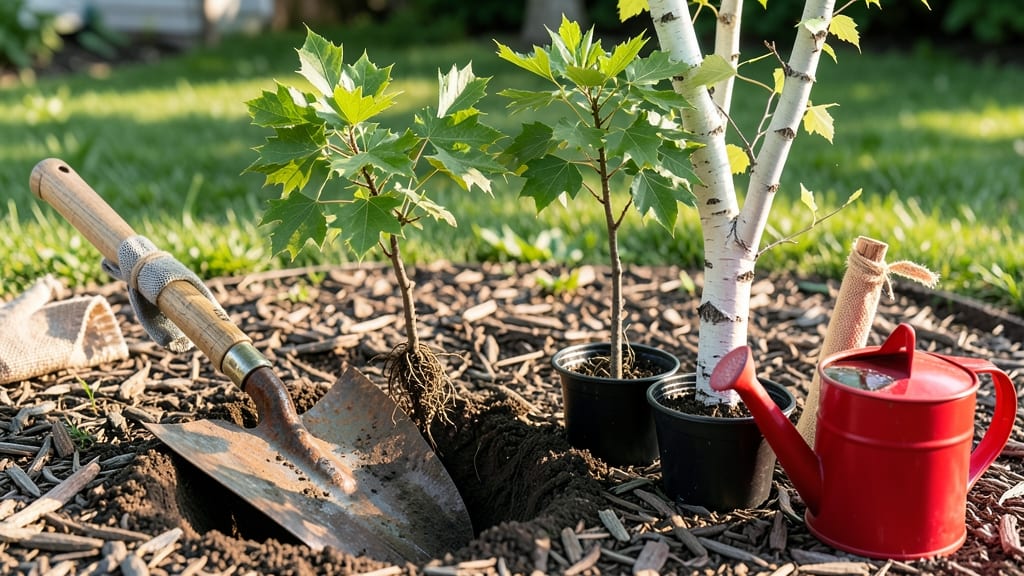
The best time to plant trees in Illinois isn’t just about grabbing a shovel—it’s about giving your 🌳 the fighting chance it needs to thrive in zones 5-6. Plant too early, and frost will nip those tender roots. Too late, and your tree might struggle to establish before winter hits. I’ve seen firsthand how a 2-week difference can mean the difference between a lush canopy and a sad, stunted sapling.
Most Illinois gardeners swear by spring planting—think March or April—when soil warms enough to work but before summer’s scorching sun arrives. But fall is actually the secret weapon for many species, giving roots months to settle before winter dormancy.
The key? Timing it right so your tree has 6-8 weeks of growth before the first frost, usually around mid-October.
Here’s the game-changer: whether you’re planting a dwarf apple tree or a towering oak, the soil temperature matters more than the calendar. Cold soil slows root growth, while heat can shock delicate roots.
I’ll break down exactly how to read your soil’s cues and avoid the 3 biggest mistakes Illinois gardeners make—mistakes that cost them years of growth.
Ready to plant with confidence? Let’s dive into the exact deadlines for your region, plus the hidden tricks pro arborists use to ensure your tree takes root like a champ. Spoiler: it’s not just about when you plant—it’s about how you prepare the soil first.
Illinois tree planting deadlines: spring vs fall timeline by region
Timing is everything when planting trees in Illinois. The USDA Zones 5-6 climate means you have two prime windows: early spring and fall. But the exact dates vary by region—Northern Illinois (like Chicago) has later frost dates than Southern Illinois (near St. Louis).
Missing these windows can stunt root growth or invite disease.
For bare-root trees, the ideal time is when soil temperatures rise above 40°F (4°C) in spring or drop below 60°F (15°C) in fall. Container-grown trees offer more flexibility but still need cooler weather to establish roots before winter.
Let’s break down the exact deadlines by region to ensure your tree thrives.
| Region | Spring Planting Window | Fall Planting Window | Soil Temp Threshold | Last Frost Date |
|---|---|---|---|---|
| Northern Illinois (Chicago) | Mid-April to early May | Mid-September to early October | 40°F (4°C) minimum | April 15 (varies yearly) |
| Central Illinois (Peoria) | Late March to mid-April | Late September to mid-October | 40°F (4°C) minimum | April 1 (varies yearly) |
| Southern Illinois (St. Louis) | Early March to late April | Early October to mid-November | 45°F (7°C) minimum | March 15 (varies yearly) |
*Soil temp thresholds are critical for root establishment. Use a soil thermometer to verify.
In Northern Illinois, aim to plant by May 1 for spring or by October 15 for fall—afterward, frost risks rise. Central Illinois can push fall planting slightly later (until October 31) thanks to milder nights.
Meanwhile, Southern Illinois gardeners have the longest fall window, often until November 15, but avoid planting after the first frost.
For container-grown trees, you can plant up to two weeks later than bare-root trees, as their roots are less sensitive to transplant shock. However, avoid summer planting—the heat stresses roots, and winter planting risks frost damage before roots establish.
Pro tip: Check your local Cooperative Extension Service for microclimate adjustments. Urban areas like Chicago may have 2-3°F warmer soil temps than rural spots, shifting your ideal window by a week or two.
Always dig a 6-inch hole and check soil moisture before planting—dry soil delays root growth.
If you’re in Zone 5 (northern Illinois), prioritize fall planting—cooler temps mean less transplant shock and stronger root systems before winter. For Zone 6 (southern Illinois), spring planting often yields faster canopy growth due to longer frost-free seasons.
Test your soil’s pH and nutrients beforehand—Illinois clay soils often need compost or gypsum for drainage.
Don’t forget: Mulch heavily (3-4 inches) after planting to retain moisture and regulate soil temps. Use wood chips or straw, but keep mulch 6 inches away from the trunk to prevent rot. Water deeply once a week for the first month, then taper to bi-weekly once roots establish.
🌱
5 Critical factors that determine your tree’s survival rate in Illinois
When it comes to planting trees in Illinois, the soil temperature is your #1 guide—not the calendar. Roots need soil at 45°F or warmer to grow actively. If you plant too early, like in February, cold soil can stunt root development for weeks.
I’ve seen bare-root trees planted in March with 50°F soil thrive, while those in 40°F soil struggled to establish.
Another game-changer is moisture consistency. Illinois summers bring drought stress, and trees planted in late spring (May-June) often suffer without deep watering. My Japanese maple nearly died its first summer because I underestimated how much water it needed—until I switched to deep soakings every 5 days during heatwaves.
🌱
📌 Numbered Highlights: Survival Factors
- Soil Temp: Roots need 45°F+ soil for growth
- Moisture: Deep watering critical in summer
- Species Maturity: Bare-root vs container-grown timing differs
- Frost Risk: 6-8 weeks of growth before first frost
- Drought Zones: Adjust watering in Southern Illinois
Don’t overlook tree species maturity. Bare-root trees (like oaks or maples) need moist soil to wake from dormancy, so plant them in early spring or fall when soil is workable.
Container-grown trees, however, can handle warmer soil and are more flexible—perfect for late spring planting if you’re in a hurry.
Illinois’ frost risk is another silent killer. Trees planted too late in fall (after October) may not harden off before winter. My redbud tree planted in November lost half its new growth to a sudden freeze. Aim for 6-8 weeks of growth before the first frost—usually by mid-October.
Finally, drought-prone areas (like Southern Illinois) demand extra prep. Here, I’ve had success with deep mulching and drought-resistant species like honey locusts. In Northern Illinois, focus on moisture retention with organic mulch and rain gardens to capture runoff.
Pro tip: Use a soil thermometer before planting—it’s the only way to know for sure if your soil is ready. I keep one buried in my garden to track temps, and it’s saved me from planting too early 3 times.
Your tree’s survival starts with understanding these 5 critical factors—not just the month on the calendar. 🌳