
Plants
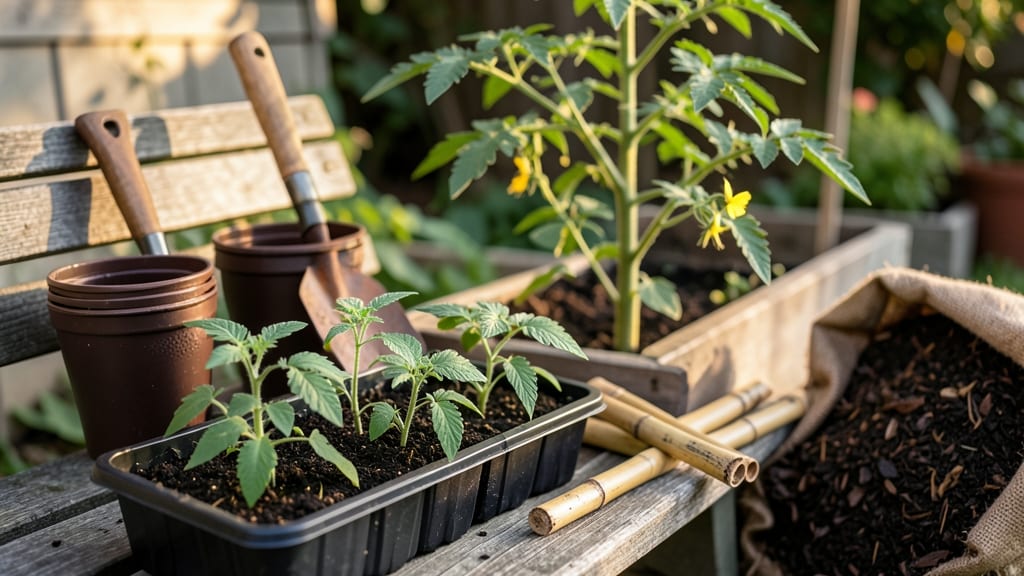
If you’ve ever planted tomatoes in Indiana only to watch them wilt under late frost or struggle in cool soil, you’re not alone. The perfect planting window for your 🍅 plants hinges on more than just dates—it’s about soil temperature, frost patterns, and even your specific county’s climate quirks.
For most of Indiana’s USDA Zone 6a, the ideal outdoor planting window stretches from mid-April to mid-May, but timing shifts dramatically between northern counties like Lake and Porter and southern regions like Jefferson or Clark.
Plant too early, and frost will nip your seedlings in the bud; too late, and your harvest might shrink before summer’s peak.
Here’s the game-changer: soil needs to hit at least 60°F before tomatoes go in, and last frost dates vary by 10 days or more across the state.
I’ll break down exactly when to start seeds indoors, when to transplant outdoors, and how to adjust for Indiana’s unpredictable weather—so you can maximize your harvest from July through October.
Whether you’re a first-time gardener or a seasoned green thumb, these Indiana-specific tips will help you avoid common mistakes and grow healthier, more productive tomato plants. Let’s get your 🍅 season off to the right start.
Indiana tomato planting calendar by county: frost dates & soil temperature guidelines
Indiana's diverse climate means your tomato planting window depends heavily on your county. Northern counties like Lake or Porter have later last frost dates (around May 1-15), while Southern counties like Jefferson or Clark can start as early as April 1-15.
Always prioritize soil temperature—tomatoes thrive when soil reaches 55–65°F.
Central Indiana (e.g., Marion or Hamilton counties) offers the most flexibility, with average last frost dates around April 15-30. Use these dates as guides, but monitor local forecasts—unpredictable spring weather can shift your timeline. For example, a late frost in April might delay planting by 2-3 weeks.
Here’s how to align your planting with Indiana’s regional norms, including ideal soil temps and last frost dates by county zone:
| County Zone | Last Frost Date | Ideal Planting Window | Soil Temp Requirement | Notes |
|---|---|---|---|---|
| Northern (Lake, Porter, Allen) | May 1–15 | May 1–31 | 55–65°F | Use row covers for early starts. |
| Central (Marion, Hamilton, Boone) | April 15–30 | April 20–May 15 | 55–65°F | Best balance of warm soil and long growing season. |
| Southern (Jefferson, Clark, Floyd) | April 1–15 | April 1–May 1 | 55–65°F | Start early varieties like 'Early Girl' for faster harvests. |
For Northern Indiana, aim to plant after May 1 to avoid late frosts. Use cold frames or greenhouses to extend your season if you’re eager to start earlier.
In Central Indiana, the window between April 20 and May 15 is ideal—this gives your plants 60–90 days to mature before the first frost in October.
Southern Indiana’s warmer climate lets you plant 2–3 weeks earlier than Northern counties. If you’re in Jefferson County, for example, you can even try a fall planting in August for a late-season harvest. Just ensure your plants have at least 60 days to fruit before the first frost.
Pro tip: Use a soil thermometer to confirm temperatures before planting. Cold soil (below 55°F) can stunt root growth, even if air temps feel warm. My go-to method is planting when soil hits 60°F—this ensures robust root development and faster establishment.
Don’t forget about Indiana’s microclimates. Urban areas like Indianapolis may experience heat islands, warming soil faster than rural areas. If you’re in a warmer microclimate, you might push planting dates 1 week earlier safely. Always check local weather alerts for frost warnings in April.
For indoor starts, begin seeds 6–8 weeks before your last frost date. In Northern Indiana, that means early March; in Southern Indiana, late February. Use grow lights to supplement natural light until seedlings are 3–4 inches tall and ready for transplanting.
Remember: Tomatoes are heat-lovers, so avoid planting too early—cool soil can delay germination by weeks. If you’re unsure, err on the side of planting later rather than risking frost damage. My rule of thumb is to wait until nighttime temps stay above 50°F consistently.
How to adjust tomato planting for Indiana’s microclimates & unpredictable weather
Indiana’s variable weather can turn a perfect planting plan into a gamble—one day of unexpected frost or a heatwave can derail your tomato harvest. That’s why I adjust my planting strategy based on local microclimates and real-time conditions.
For example, Northern Indiana (like Lake County) often faces later last frosts, while Southern Indiana (like Jefferson County) might experience earlier heatwaves. Knowing these nuances helps me extend the growing season safely.
Start by checking your local frost dates—they’re not set in stone! Use resources like the Indiana State Climate Office or plant a frost-sensitive test crop (like basil) a week before your target date.
If frost threatens after planting, I’ve had success with row covers or cold frames to protect young seedlings. These tools can add 2–4 weeks to your planting window, giving you a buffer for late springs.
Another trick I use is staggered planting. Instead of planting all my tomatoes at once, I space them out in 2-week intervals. This way, if the first batch struggles with cold soil or pests, the later plantings can still thrive.
For early starts, I begin seeds indoors in late February or March, then transplant outdoors after the last frost. For late starts, I opt for heat-tolerant varieties like ‘Solar Fire’ and plant in early June.
- Planting too early when soil temps are below 55°F—roots won’t warm up, leading to rot.
- Ignoring heatwaves after transplanting—sudden heat can shock plants; mulch helps regulate soil temp.
- Skipping soil tests—Indiana’s clay-heavy soils often need amendments for proper drainage.
Monitoring soil temperature is non-negotiable. Use a soil thermometer to confirm it’s at least 60°F before planting. If it’s cooler, wait—cold soil slows germination and weakens seedlings. I also keep an eye on weather forecasts for 10-day outlooks.
If a cold snap is predicted, I delay planting or use row covers to protect tender leaves. For container gardening, I move pots closer to the house or use heat mats to keep roots warm.
Don’t overlook wind protection, either. Indiana’s prevailing winds can stress young tomato plants. I use windbreaks like tall sunflowers or bamboo fencing to shield my plants, especially in open fields.
This simple step reduces transplant shock and helps plants establish faster. For urban gardeners, even a temporary fence or trellis can break up harsh winds near buildings.
Finally, embrace fall planting for a second harvest! In Southern Indiana, I plant heat-tolerant varieties like ‘Celebrity’ in late July or early August for a late-season crop. Use black plastic mulch to warm the soil and row covers to extend the season into October.
Just be sure to harvest before the first frost—green tomatoes can ripen indoors with a little ethylene trick (place them in a paper bag with a banana!).