
Plants
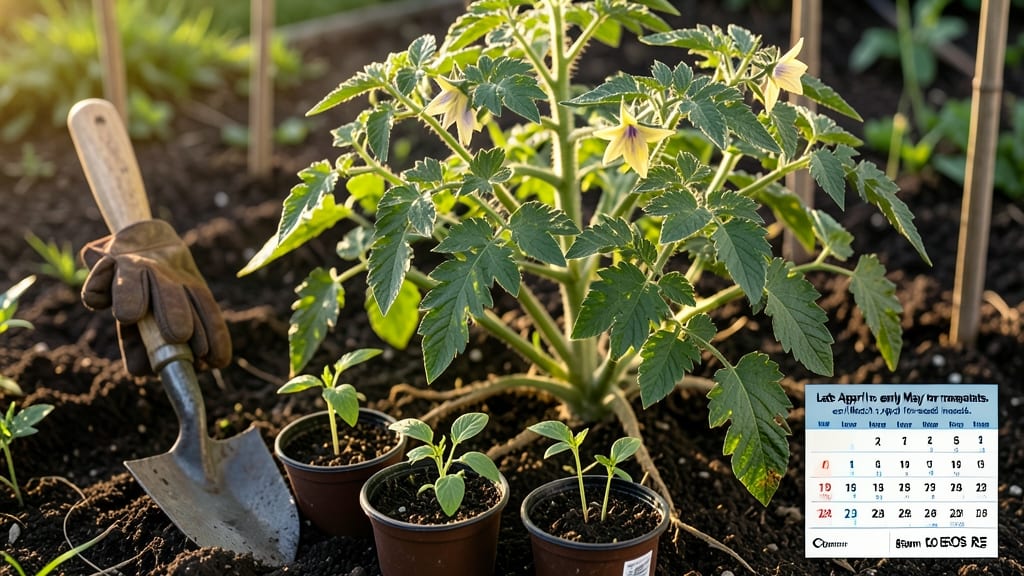
Planting tomatoes in Indiana isn’t just about grabbing seeds and sticking them in the ground—it’s about mastering the delicate dance between frost dates, soil warmth, and your local microclimate. One wrong move, and you could lose your entire crop before summer even begins. But with Indiana’s 6a zone and unpredictable spring weather, timing is everything.
Most gardeners in Indiana wait until after the average last frost date (April 15), but that’s just the starting point. Soil temperature matters just as much—your 🍅 seedlings won’t thrive until the ground reaches at least 60°F.
And if you’re in northern Indiana, you might need to start transplants indoors a full month earlier than your southern counterparts.
Here’s the good news: with the right strategies, you can stretch your growing season to enjoy tomatoes from June through October.
Whether you’re direct-sowing or transplanting, I’ll break down exactly when to plant, which varieties handle Indiana’s heat best, and how to protect your crop from late frosts or early heatwaves.
Ready to turn your Indiana garden into a tomato powerhouse? Let’s get started with the perfect planting window—plus pro tips to maximize your harvest.
Indiana tomato planting dates by hardiness Zone (with last-frost guides)
Indiana’s USDA Hardiness Zones 5a-6b create a tricky balance for tomato growers. The average last frost date hovers around April 15, but your exact timing depends on elevation and local microclimates.
Northern Indiana (Zone 5a) faces earlier frosts, while southern areas (Zone 6b) enjoy longer growing seasons. Always check your local Purdue Extension frost maps for precise dates.
For transplanted seedlings, wait until soil reaches 60°F+ and nighttime temps stay above 50°F.
Direct-sowing seeds requires even warmer soil (70°F+) and should never happen before May 1 in most of Indiana. Black plastic mulch can warm soil by 5-10°F, giving you a 2-week head start on planting.
Here’s how Indiana’s zones break down for tomato planting windows, including key soil and air temperature thresholds:
| Zone | Last Frost (Avg.) | Safe Planting Window | Soil Temp. Threshold | Notes |
|---|---|---|---|---|
| 5a (Northern IN) | April 20 | May 10–May 25 | 60°F+ (transplant) / 70°F+ (direct sow) | Use row covers for early starts; shorter season favors early varieties. |
| 5b (Central IN) | April 15 | April 25–May 15 | 60°F+ (transplant) / 70°F+ (direct sow) | Best for mid-season varieties; black plastic mulch extends window. |
| 6a (Southern IN) | April 10 | April 15–May 1 | 60°F+ (transplant) / 70°F+ (direct sow) | Longer season allows late varieties; watch for humidity-related diseases. |
| 6b (Extreme SW IN) | March 25 | March 30–April 15 | 60°F+ (transplant) / 70°F+ (direct sow) | Risk of early heat; prioritize heat-tolerant varieties. |
If you’re starting seeds indoors, begin 6-8 weeks before your target transplant date. For Zone 5a, that means late February to early March under grow lights (12+ hours/day). Use biodegradable pots to avoid transplant shock when moving seedlings outdoors.
For direct-sowing seeds, Indiana’s humid climate demands extra caution. Wait until soil is consistently 70°F+ and use seedling heat mats if early planting is tempting. Succession planting every 2 weeks after your initial sowing ensures a continuous harvest through September.
Pro tip: Monitor your local weather using tools like the National Weather Service’s frost prediction maps.
A late frost in May can wipe out unprotected seedlings, so always have row covers or a cloche on hand for emergencies. Indiana’s 2020 late-May frost caught many gardeners off guard—don’t let it happen to you!
Remember, soil temperature matters more than air temperature. Use a soil thermometer to confirm readiness—cool soil delays germination and weakens seedlings. Black plastic mulch can add 5-10°F to soil warmth, giving you an earlier start in cooler zones.
For container gardening, plant 1-2 weeks later than in-ground tomatoes since pots warm up slower. Choose determinate varieties (bush types) for containers, as they mature faster and handle heat better in Indiana’s summer humidity.
Finally, track your local frost dates for 3 years to identify patterns. Some Indiana counties (like LaPorte) average 10 days earlier last frosts than others (Vanderburgh), so hyper-local data beats general rules. Purdue Extension’s frost calendar is your best friend here!
Indiana tomato planting dates by hardiness Zone (with last-frost guides)
Indiana’s USDA Zones 5a-6b create big differences in when to plant tomatoes. Northern Indiana (Zone 5a) often waits until May 1-15, while southern Indiana (Zone 6b) can start as early as April 15-30.
The key? Soil temperature must hit 60°F—colder soil stunts growth, and frost will kill seedlings.
Most Indiana gardeners use last frost dates as their guide, but don’t rely on averages. Check your local Purdue Extension frost calendar—some years, late frosts hit as late as May 10, especially in valleys or low-lying areas.
For safety, wait until two weeks after your area’s average last frost.
Here’s how to adjust for Indiana’s unpredictable springs:
| Zone | Last Frost Date (Avg.) | Safe Planting Window | Soil Temp. Requirement | Indoor Start Date (Transplants) |
|---|---|---|---|---|
| 5a (Northern IN) | May 1 | May 15-30 | 60°F+ | March 15-April 1 |
| 5b (Central IN) | April 20 | April 30-May 15 | 60°F+ | March 1-April 15 |
| 6a (Southern IN) | April 15 | April 15-May 1 | 60°F+ | February 28-March 15 |
| 6b (Southeast IN) | April 1 | March 25-April 15 | 58°F+ | February 15-March 1 |
For direct sowing (planting seeds straight into the ground), add 2-3 weeks to these dates—seeds need warmer soil to germinate. Transplants (store-bought or homegrown seedlings) can go in 2-3 weeks earlier because they’re hardier. I recommend starting transplants indoors 6-8 weeks before your last frost date for a head start.
Indiana’s humid summers mean late-planted tomatoes often outperform early ones. If you miss the ideal window, don’t panic—succession planting (adding new plants every 2-3 weeks until July) can stretch your harvest through October. Just avoid planting after August 1, or your tomatoes may not ripen before frost.
Pro tip: Use a soil thermometer—it’s the only way to know for sure when your garden is ready. If your soil is still below 60°F by mid-May, wait it out.
Cold soil = stunted plants = fewer tomatoes. And if you’re in doubt, row covers can buy you extra weeks of planting time.