
Flowers
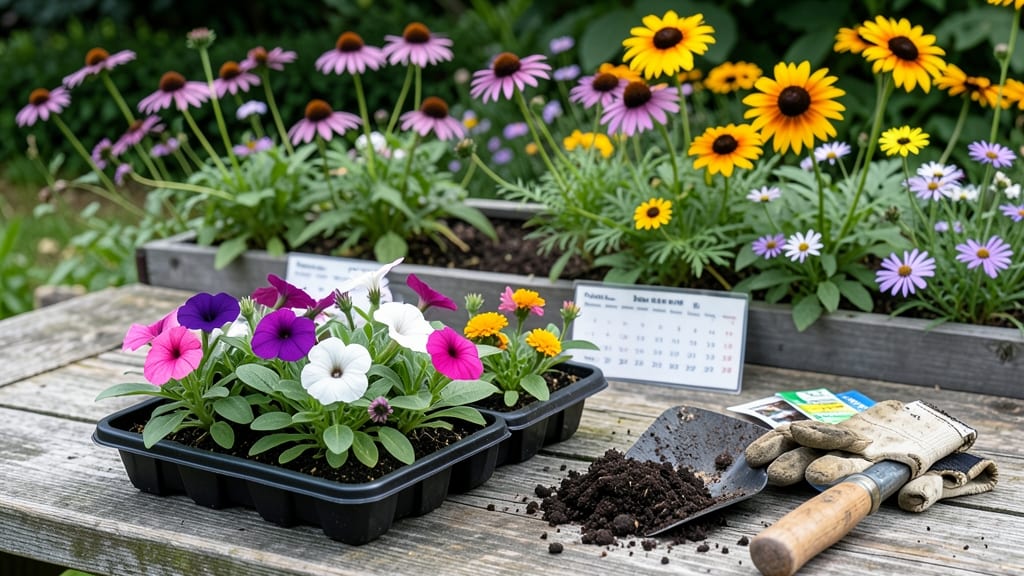
Timing your flower planting in Ohio isn’t just about grabbing a shovel—it’s the key to avoiding frost damage and ensuring vibrant blooms all season long.
With 6a/6b hardiness zones and unpredictable frost dates, knowing when to plant your 🌸 can mean the difference between a thriving garden and a sad, wilted disappointment.
Most Ohio gardeners make one critical mistake: planting too early or too late, risking their flowers to sudden cold snaps. Whether you’re dreaming of tulips in spring or marigolds in summer, the right window matters more than you think.
I’ll break down the exact months to plant for your favorite varieties, so you can skip the guesswork and start growing with confidence.
Did you know some flowers—like daylilies—thrive when planted in early spring, while others, such as pansies, prefer a fall start? The secret lies in understanding Ohio’s unique microclimates, from Cleveland’s cooler north to Cincinnati’s slightly warmer south. Let’s dive into the perfect planting schedule tailored just for your garden.
Ready to transform your yard into a blooming paradise? You’ll walk away with a clear timeline, soil prep tips, and even a handy table of the best flowers to plant by month. No more second-guessing—just beautiful, healthy 🌸 that lasts all season!
Ohio’s frost-free planting timeline by month: safe dates for annuals & perennials
Ohio’s USDA Zones 5-6 mean frost can strike anytime between mid-April and mid-October, forcing gardeners to plan carefully. The key? Knowing your last frost date—Columbus averages April 15, while Cleveland’s can linger until May 1.
For tender annuals like petunias or marigolds, waiting until soil warms to 50°F prevents root shock, even if frost-free days stretch ahead.
Cool-season flowers like pansies and snapdragons thrive when planted 4-6 weeks before last frost (February-March). Meanwhile, perennials such as daylilies or black-eyed Susans can handle Ohio’s chill and often benefit from fall planting (August-September) to establish roots before winter.
The trick? Match your flowers to Ohio’s 165 frost-free days—anything beyond that risks wilting before blooming.
🌱
| Month | Planting Window | Best Flowers | Notes |
|---|---|---|---|
| February | Start cool-season indoors | Pansies, Snapdragons | Hardy to 25°F; transplant after last frost |
| March | Outdoor planting (after soil thaws) | Tulips, Daffodils, Calendula | Bulbs need 6-8 weeks of chill; avoid wet soil |
| April | Last frost risk (wait for 50°F soil) | Marigolds, Zinnias, Petunias | Use row covers if late frost threatens |
| May | Safe for warm-season flowers | Sunflowers, Dahlias, Cosmos | Needs full sun; mulch to retain moisture |
| August-Sept | Fall planting (6-8 weeks before frost) | Asters, Chrysanthemums, Pansies | Perennials benefit from established roots before winter |
Northern Ohio’s Cleveland and Toledo regions often see frost lingering until May 10, while southern Ohio’s Cincinnati can push planting to April 20. For container gardening, tender varieties like geraniums can wait until May 15—their roots stay warmer in pots.
Pro tip: Monitor the Ohio State Extension’s frost maps for real-time updates, as microclimates near lakes or hills can shift frost dates by 1-2 weeks.
Perennials like coneflowers or bee balm are Ohio’s workhorses—they thrive when planted in spring or early fall, avoiding the stress of summer heat. Annuals, however, demand precision: marigolds planted too early may bolt in heat, while petunias risk frost damage if sown before May 1.
The solution? Start warm-season annuals indoors in March for a head start.
Ohio’s humid summers (June-August) are perfect for drought-tolerant flowers like black-eyed Susans or lavender, which need minimal watering once established. For these, June 1 is the ideal transplant date—soil is warm, and rain patterns stabilize.
Avoid planting water-loving irises in full sun without mulch; Ohio’s clay soil can bake roots by July.
Fall is your second chance for bulbs and perennials. Plant tulips or daffodils by October 15 to ensure they root before ground freezes. For annuals, pansies and sweet alyssum can handle light frosts and bloom until Christmas if planted by September 1.
The secret? Choose frost-hardy varieties labeled for Zone 5.
🌿
Don’t let Ohio’s unpredictable weather derail your garden dreams. By aligning planting dates with soil temperature, frost forecasts, and your USDA Zone, you’ll turn your yard into a year-round bloom machine. Start with cool-season flowers in spring, transition to <
Best flowers to plant in Ohio by season: from early spring bulbs to late summer bloomers
Ohio’s diverse climate means you can enjoy year-round color—if you plant the right flowers at the right time. Spring bulbs like tulips and daffodils wake up the garden, while summer annuals like marigolds and zinnias thrive in the heat.
Even fall perennials like chrysanthemums and asters add late-season flair before frost. Let’s break down the best bloomers for each season and how to maximize their potential in Ohio’s USDA Zones 5-6.
For early spring planting, focus on cold-hardy varieties that tolerate Ohio’s late frosts. Pansies and snapdragons are top picks—they bloom even in 40°F temperatures and add vibrant color to beds. Daffodils and tulips should be planted in fall (September-October) for spring blooms, while perennial favorites like peonies establish roots better when planted in early spring (March-April).
🌸 Ohio’s Top Seasonal Flowers by Planting Time
- 🌱 Early Spring (March-April): Pansies, Snapdragons, Sweet Alyssum – Thrives in cool temps (40-50°F), ideal for shade gardens.
- ☀️ Late Spring (May): Petunias, Marigolds, Zinnias – Wait until after last frost (usually mid-April in most of Ohio).
- 🌞 Summer (June-August): Sunflowers, Dahlias, Black-Eyed Susans – Plant after soil warms to 60°F+ for best growth.
- 🍂 Fall (September-October): Chrysanthemums, Asters, Tulip Bulbs – 6-8 weeks before first frost ensures strong roots.
Don’t overlook perennial workhorses like coneflowers and daylilies, which establish easily in Ohio’s soil and return year after year. Coneflowers (Echinacea) are drought-tolerant and bloom from summer to fall, while daylilies offer low-maintenance color in partial shade.
For container gardening, geraniums and impatiens are foolproof choices—they tolerate Ohio’s humidity and partial shade.
Fall planting is often overlooked but critical for spring blooms. Tulips and crocuses need 6-8 weeks of chill time before spring, so plant bulbs in October. Perennial flowers like hostas and heucheras also benefit from fall planting, as cooler temps reduce transplant shock. Even warm-season annuals like cosmos can be sown in late summer (August) for fall color.
Pro tip: Extend your bloom season by layering early, mid, and late-season varieties.
For example, pair early pansies with mid-season petunias and late-season zinnias to ensure nonstop color from spring to frost. Succession planting (sowing seeds every 2-3 weeks) works wonders for zinnias and sunflowers, giving you fresh blooms all summer.
Ohio’s microclimates (urban heat islands, rural cool spots) can shift planting times by 1-2 weeks. If you’re in southern Ohio (e.g., Cincinnati), you can plant tender annuals like impatiens 2 weeks earlier than in northern Ohio (e.g., Cleveland).
Always check your local frost dates and adjust accordingly—your garden will thank you with healthier, longer-lasting blooms.