
Flowers
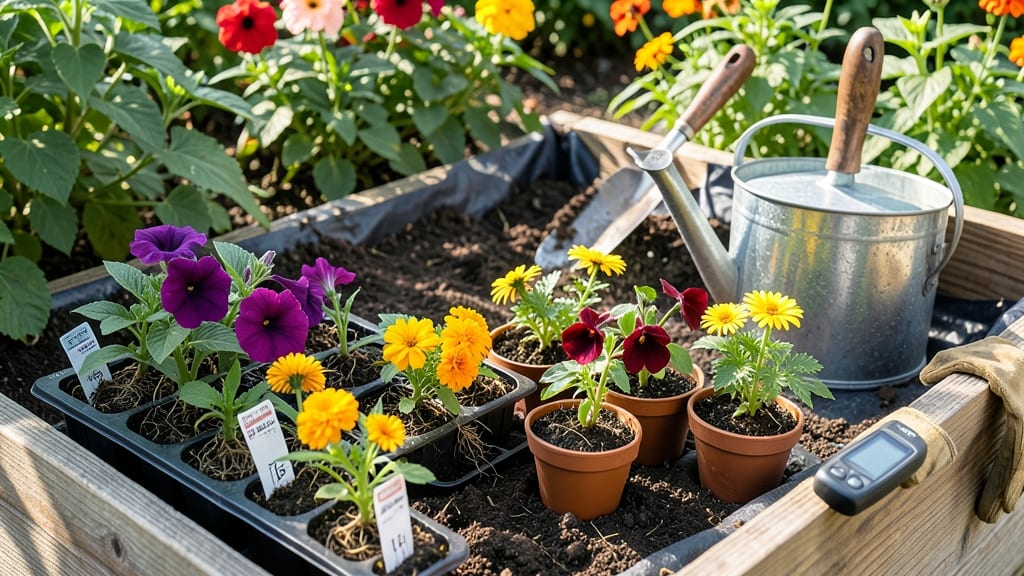
If you've ever rushed to plant your 🌸 flowers in Ohio only to watch them wilt from a surprise frost, you know when it is safe to plant flowers in Ohio—timing is everything.
The difference between a thriving garden and a frost-kissed disappointment often comes down to knowing exactly when to plant, and it's not just about dates.
Ohio's USDA Zone 6a climate means spring can swing wildly, with last frost dates varying from early April in southern regions to late May in the north.
That's why waiting for the right moment—when soil warms to 50°F and nighttime temperatures stay above 32°F—makes all the difference for your annuals, perennials, and bulbs.
I'll break down exactly when to plant based on Ohio's regional patterns, plus how to spot the perfect moment using nature's clues. Whether you're planting pansies that tolerate light frosts or heat-loving petunias, these insights will help you avoid common mistakes and extend your blooming season.
Ready to transform your garden from "maybe next year" to "wow, look at these flowers"? Let's dive into the science and simple strategies that actually work for Ohio gardeners—no guesswork required.
Ohio last frost dates by region: exact timing for safe flower planting
Ohio’s last frost dates vary dramatically by region—sometimes by weeks—so planting your annuals and perennials too early can mean frost damage or stunted growth.
The Ohio State University Extension tracks these dates annually, and I’ll break down the exact timing for each of Ohio’s 8 key regions to help you avoid common mistakes.
For most of Ohio, the average last frost date falls between April 15 and May 1, but northern regions like Ashtabula County can wait until May 15 or later. Southern Ohio, including Cincinnati and Columbus suburbs, often sees frost-free conditions by April 1.
These variations mean your marigolds in Dayton might thrive weeks earlier than your petunias in Cleveland.
Here’s a quick reference to understand why timing matters: A single 28°F night can kill tender geraniums, while hardy pansies can survive 20°F. Using regional data ensures your flower beds bloom on schedule, not wither.
🌱
| Region | Avg. Last Frost | Safe Planting Window | Notes |
|---|---|---|---|
| Northwest (Toledo, Lima) | May 1–10 | Wait until May 15 | Cooler lake-effect zones |
| Northeast (Cleveland, Akron) | April 25–May 5 | Wait until May 10 | Urban heat islands warm soil faster |
| Southeast (Athens, Chillicothe) | April 1–10 | Plant by April 15 | Warmer microclimates |
| Southwest (Dayton, Cincinnati) | March 30–April 15 | Plant by April 1 | Early bloomers thrive here |
| Central (Columbus, Mansfield) | April 10–20 | Wait until April 25 | Moderate climate |
If you’re planting cool-season flowers like pansies or snapdragons, you can start as early as March 15 in southern Ohio—but cover them with frost cloth until the last frost. For heat-loving annuals like petunias or zinnias, hold off until after May 1 in northern regions to avoid shock.
Pro tip: Use the NOAA Frost Probability Tool to check your exact zip code’s 10% frost risk date. This tells you when the chance of frost drops below 10%, making it statistically safe to plant.
For perennials, like coneflowers or black-eyed Susans, you can plant in early spring (March–April) as long as the ground isn’t frozen. These hardy plants handle light frosts after establishment, but their tender new growth can still suffer.
Remember, soil temperature matters just as much as air temperature. Use a soil thermometer to confirm your soil is at least 50°F—cold soil slows root growth and can stunt your flowering plants.
🌷
How to adjust planting times for Ohio’s microclimates and flower types
Ohio’s diverse geography means your neighbor’s safe planting window might not match yours—especially if you live near Lake Erie, in a valley, or in an urban heat island. Microclimates can shift last frost dates by weeks, so knowing your specific zone is key.
For example, Toledo’s Northwest Ohio often sees frost-free soil by April 15, while Athens in Southeast Ohio may wait until May 1. Always check local records from sources like the Ohio State University Extension.
Not all flowers thrive in Ohio’s springtime chill or summer heat. Cold-hardy annuals like pansies and snapdragons can handle light frosts and often bloom earlier, while heat-sensitive varieties such as petunias and marigolds need warmer soil (60°F+) to avoid stunted growth.
Perennials like coneflowers and black-eyed Susans can be planted in early spring or fall, giving you flexibility.
Urban gardeners often face warmer microclimates due to concrete and buildings trapping heat. If you’re in Columbus or Cincinnati, you might plant heat-sensitive flowers a week earlier than rural areas.
Conversely, valleys and low-lying regions like Appalachian Ohio can stay colder longer—add row covers or wait until May 10 for safety. Lake-effect zones near Lake Erie may experience delayed last frosts, so monitor local forecasts closely.
For bulbs like tulips and daffodils, plant in fall (October-November) for spring blooms, but annuals like impatiens shouldn’t go in until after Memorial Day in colder regions. Extend your season by using season extenders like cold frames or cloches for early plantings, or opt for fast-growing varieties like cosmos or sunflowers that tolerate cooler soil.
Pro tip: Use NOAA’s Frost Probability Tool to input your ZIP code and see real-time 10-day forecasts for frost risk. Pair this with a soil thermometer—50°F is the magic number for most flowers to thrive.
If your soil is colder, wait another week or use black plastic mulch to warm it faster.
Remember, Ohio’s growing season is short but sweet—getting your timing right means more colorful blooms and fewer wilted disappointments. Start with your region’s last frost date, adjust for your microclimate, and match flowers to your local conditions for a show-stopping garden. 🌸