
Planting
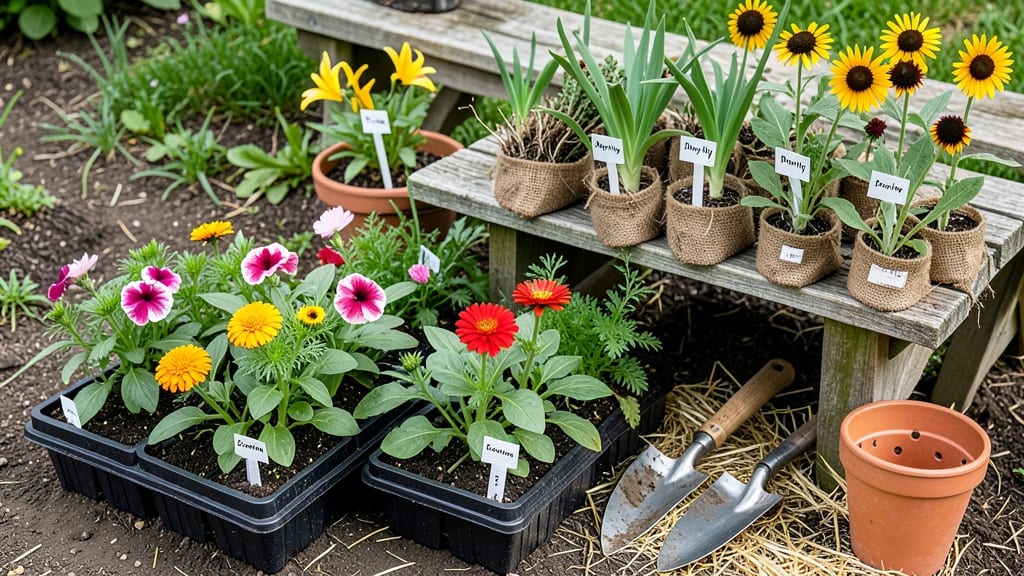
If you’ve ever stared at your seed packets in March, wondering when can you plant flowers in Ohio without risking a late frost, you’re not alone.
Ohio’s 6a climate zone brings a mix of unpredictable weather and short growing seasons, making timing the difference between a showstopping garden and a sad, wilted disappointment.
Here’s the good news: with the right strategy, you can extend your blooming season from April through October—even in Ohio’s cooler regions.
Whether you’re planting 🌸 petunias in containers or hardy perennials like coneflowers, knowing your last frost date (typically around April 15) and soil temperature (aim for 50°F) is the key to success.
In this guide, I’ll break down the exact months to plant your favorite flowers, from early spring annuals to late-season bloomers. You’ll learn how to adjust for Ohio’s microclimates—whether you’re in Columbus, Cincinnati, or the northern 6a zone—so you can avoid frost damage and maximize your garden’s potential.
Ready to transform your backyard into a year-round floral paradise? Let’s dive into the best planting windows, frost-free tricks, and the most resilient flowers for Ohio’s short but sweet growing season.
Ohio’s frost dates and best planting months by flower type
Ohio’s last frost dates vary dramatically—from late April in southern regions like Cincinnati to early June in northern areas such as Cleveland. These differences mean your planting schedule should account for your specific USDA Zone (5b-6a) and microclimate.
For example, Columbus (Zone 6a) typically sees its last frost around April 20th, while Toledo (Zone 5b) may wait until May 5th.
To avoid frost damage and ensure healthy growth, use the National Weather Service’s frost prediction tool or local Cooperative Extension Service resources.
These tools provide real-time updates and help you adjust your timeline based on soil temperature, which should ideally be at least 50°F (10°C) for most flowers before planting.
Here’s a quick guide to Ohio’s average last frost dates by region, along with the best planting windows for popular flower types:
| Region | Last Frost Date | Best Planting Window | Soil Temp Requirement |
|---|---|---|---|
| Southern Ohio (Cincinnati, Dayton) | Late April | Mid-April to early May | 50°F (10°C) |
| Central Ohio (Columbus) | April 20 | Late April to early May | 50°F (10°C) |
| Northern Ohio (Cleveland, Toledo) | Early to mid-May | Late May | 55°F (13°C) |
| All Regions (Fall Planting) | Mid-September to October | 6-8 weeks before first frost | 60°F (16°C) |
For annual flowers like marigolds, zinnias, and petunias, wait until after your region’s last frost date to plant directly in the ground. These warm-season lovers thrive in full sun (6+ hours) and well-draining soil.
If you’re eager to start earlier, begin seedlings indoors in late February or March and transplant them outdoors after the frost risk has passed.
Perennials, such as coneflowers, black-eyed Susans, and daylilies, are more forgiving and can often be planted in early spring or even fall. However, avoid planting them too early in cold, wet soil, as this can stunt root growth. Aim for late April to early May in most of Ohio, or September to October for fall planting.
If you’re planting bulbs like tulips or daffodils, the best time is fall (October), about 6-8 weeks before the first frost. This allows the bulbs to establish roots before winter.
For cold-hardy flowers like pansies or sweet alyssum, you can even plant them in early spring (March) or late summer (August) for a fall display.
Pro tip: Use row covers or cold frames to extend your planting season by 2-4 weeks. These protective covers create a warmer microclimate and shield young plants from late spring frosts. Just remove them once the weather stabilizes to avoid overheating.
For container gardening, which is popular in urban Ohio gardens, you can plant heat-loving annuals like geraniums and impatiens as early as late April in southern Ohio or early May in northern areas. Containers warm up faster than garden beds, giving you a head start on the season.
Always check the specific variety’s requirements—some flowers, like cosmos or sunflowers, can tolerate cooler soil temperatures and may even thrive if planted slightly earlier. When in doubt, err on the side of waiting a few extra days for warmer soil and air temperatures.
How to adjust planting times for Ohio’s unpredictable weather
Ohio’s spring frost dates can shift by weeks, leaving gardeners scrambling to avoid frost damage to tender seedlings. I’ve learned the hard way—last year’s marigolds wilted overnight after a surprise late-April frost! The key is flexibility: use row covers, monitor soil temperatures, and plant cold-hardy varieties first.
Even in Columbus or Cincinnati, microclimates near lakes or urban areas can delay frost by 1-2 weeks.
Start by checking your local frost-free date—most Ohio regions average between April 15 (north) and May 1 (south), but 2023’s late frost in Toledo pushed it to May 10.
For peace of mind, plant hardy annuals like pansies or snapdragons 4-6 weeks before your last frost date. These thrive in 40°F soil and bloom even under light frost.
🌱 Ohio’s Frost-Resistant Flowers: Planting Timeline
| 🌸 Flower Type | 📅 Planting Window | ❄️ Frost Tolerance | 💡 Pro Tip |
|---|---|---|---|
| Pansies | Early March–April | Survives 28°F | Direct-sow in well-draining soil; mulch after blooms fade. |
| Calendula | Late April–May | Tolerates 30°F | Start indoors in February; transplant after last frost. |
| Black-Eyed Susan | April–June | Dies back at 28°F | Use row covers for early spring; full sun = bold blooms. |
| Zinnias | After May 15 | Sensitive to frost | Wait until soil hits 60°F; deadhead for continuous blooms. |
For heat-loving annuals like petunias or geraniums, wait until mid-May when nighttime temps stay above 50°F. I’ve had success using black plastic mulch to warm soil faster—it raised my begonia bed’s temperature by 10°F in just 3 days!
If you’re in northwest Ohio, add a cold frame to start tomato seedlings in March alongside frost-tolerant flowers like lobelia.
Don’t forget succession planting! Ohio’s short season means planting marigolds in early May and again in late July for fall color. I mark my calendar for August 1—that’s my last chance to sow cosmos for a September-October show.
For perennials, divide coneflowers in early spring (March-April) or early fall (September) to encourage robust blooms next year.
Pro tip: Use a soil thermometer—50°F is the magic number for most annuals. If your soil’s cooler, wait or use heat mats for seedlings. And always check the National Weather Service for 10-day forecasts before planting tender varieties.
Last year, I lost my impatiens to a May frost—now I wait until June 1 in northeast Ohio to play it safe.
Finally, embrace container gardening for flexibility. Pots on patio heaters or near south-facing walls can extend your season by 2-3 weeks. I’ve grown geraniums in containers until November in Columbus by moving them indoors before first frost.
With these tricks, Ohio’s unpredictable weather won’t stop your flower dreams from blooming! 🌿