
Flowers
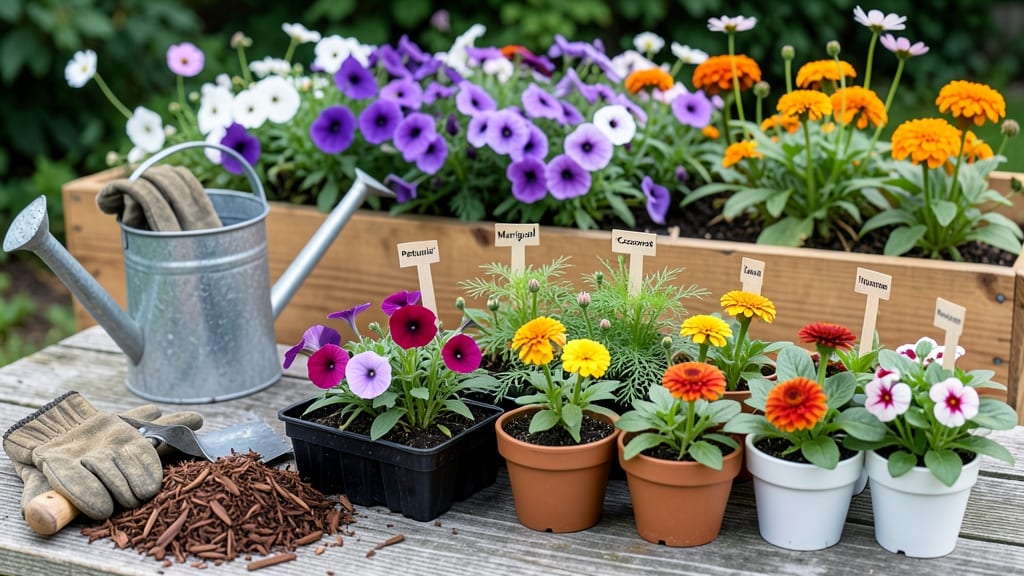
Timing your flowers' planting in Philadelphia can mean the difference between a vibrant garden and a sad, wilted mess—especially with the city's unpredictable spring and fall swings. Whether you're dreaming of 🌸 coneflowers that last all summer or delicate pansies that brave the early chill, getting the schedule right is everything.
Here's the secret: Philly's USDA Zone 7a climate gives you two prime windows—March to May for spring bloomers and September to October for fall favorites—but the exact timing depends on whether your flowers love cold snaps or sweltering heat.
Miss the mark, and you'll either lose plants to frost or watch them struggle in summer's humidity.
I'll break down exactly when to plant each type, from frost-hardy perennials to heat-loving annuals, plus Philly-specific pro tips like adjusting for urban microclimates and soil prep hacks. No more guessing games—just a foolproof schedule that actually works for our city's quirky weather patterns.
Ready to transform your garden into a year-round floral masterpiece? Let's dive into the exact planting calendar that'll have your flowers thriving from April through October—and maybe even sneak in some surprises beyond those months.
Best planting months for cold-hardy flowers in Philadelphia’s zone 6b-7a
Philadelphia’s cool springs and mild autumns create perfect conditions for cold-hardy perennials and biennials that thrive when planted at the right time. Unlike heat-loving annuals, these flowers can handle early spring and late fall planting, giving you a head start on vibrant blooms.
The key is aligning your planting schedule with Philly’s last frost date (April 15) and first frost date (November 15).
For spring-blooming perennials like coneflowers and black-eyed Susans, the ideal window is March through early May. These plants establish roots before summer heat arrives, ensuring robust growth.
Meanwhile, fall-planted bulbs like daffodils and tulips should go into the ground September through October to benefit from cool soil temperatures, which encourage strong root development before winter dormancy.
Soil preparation is just as critical as timing. Philadelphia’s clay-heavy soil can be amended with compost or aged manure in late winter (February) to improve drainage and fertility.
This gives cold-hardy plants a nutrient-rich foundation before they emerge. Mulching after planting helps retain moisture and protect roots from temperature fluctuations common in Philly’s transitional seasons.
Here’s a quick reference for cold-hardy flowers and their optimal planting windows in Philadelphia:
| Flower Type | Best Planting Window | Soil Prep Tip | Notes |
|---|---|---|---|
| Perennials (e.g., Coneflowers, Lavender) | March–April (spring) | Amend with compost | Bloom in late summer |
| Biennials (e.g., Foxgloves, Hollyhocks) | September–October (fall) | Test soil pH (aim for 6.0–7.0) | Bloom in next spring |
| Spring Bulbs (e.g., Daffodils, Tulips) | September–October (fall) | Plant in well-draining soil | Bloom in April–May |
| Frost-Tolerant Annuals (e.g., Pansies, Snapdragons) | March–April (spring) | Mulch after planting | Handle light frosts |
One of my favorite cold-hardy perennials for Philly gardens is Russian sage, which thrives in poor soil and drought conditions once established. Plant it in early spring (March) for a late summer burst of purple blooms that attract pollinators.
Similarly, bee balm is a hummingbird magnet and can be planted in April after the last frost risk has passed.
For fall-planted bulbs, timing is everything. Plant daffodils in late September to ensure they root deeply before winter. In Philly’s climate, bulbs planted too early may sprout prematurely and get damaged by late fall frosts.
Use a bulb planter or your finger to dig holes 6 inches deep and space them 4–6 inches apart for optimal growth.
After planting, water deeply to encourage root establishment, especially during Philly’s unpredictable spring rains. A 1-inch layer of mulch (like straw or shredded leaves) helps retain moisture and regulate soil temperature. Avoid overwatering, as soggy soil can lead to root rot, a common issue in Philly’s humid climate.
Monitor your garden for early signs of stress, such as yellowing leaves or stunted growth, which may indicate nutrient deficiencies or pests. Cold-hardy flowers are generally low-maintenance, but a balanced fertilizer (like 10-10-10) applied in early spring gives them the boost they need to thrive.
Repeat this in early fall to strengthen roots before winter.
By following this seasonal planting guide, you’ll enjoy long-lasting blooms from spring through fall, even in Philly’s variable climate. Start with cold-hardy perennials for low-maintenance beauty, then layer in annuals for seasonal color shifts. With the right timing, your garden will become a year-round floral showcase! 🌸
Heat-loving annuals: Philadelphia’s exact planting windows to avoid wilting
Philadelphia’s summer heat (often hitting 90°F+) can turn annuals into sad, wilted messes if planted too early. The key is timing: wait until after the last frost (April 15) but plant before July’s brutal heat sets in.
For sun-loving stars like zinnias, marigolds, and petunias, this means late April to early June—just as soil warms to 60°F+.
Pro tip: Succession planting every 2-3 weeks ensures continuous blooms. Start with heat-tolerant varieties like cosmos or sunflowers, which handle Philly’s July-August humidity better than delicate impatiens. Even container gardens need shade cloth on scorching days to prevent leaf scorch.
Watering is critical: deep soak weekly (not daily light sprinkles) to encourage deep root growth. Early morning watering (6-8 AM) prevents fungal diseases like powdery mildew, which thrives in Philly’s humid summers. For container gardens, add water crystals to retain moisture during heatwaves.
Don’t overlook soil prep—amend beds with compost to improve drainage, as Philly’s clay soil bakes hard in summer. A 2-inch layer of mulch keeps roots cool and reduces evaporation. If your annuals start drooping by noon, they’re overheating—move containers to partial shade temporarily.
Extend the season by planting cool-season annuals (like pansies) in September for fall color. Just remember: Philly’s first frost (Nov 15) signals the end for tender annuals—harvest seeds or compost spent plants before winter sets in.
🌻