
Flowers
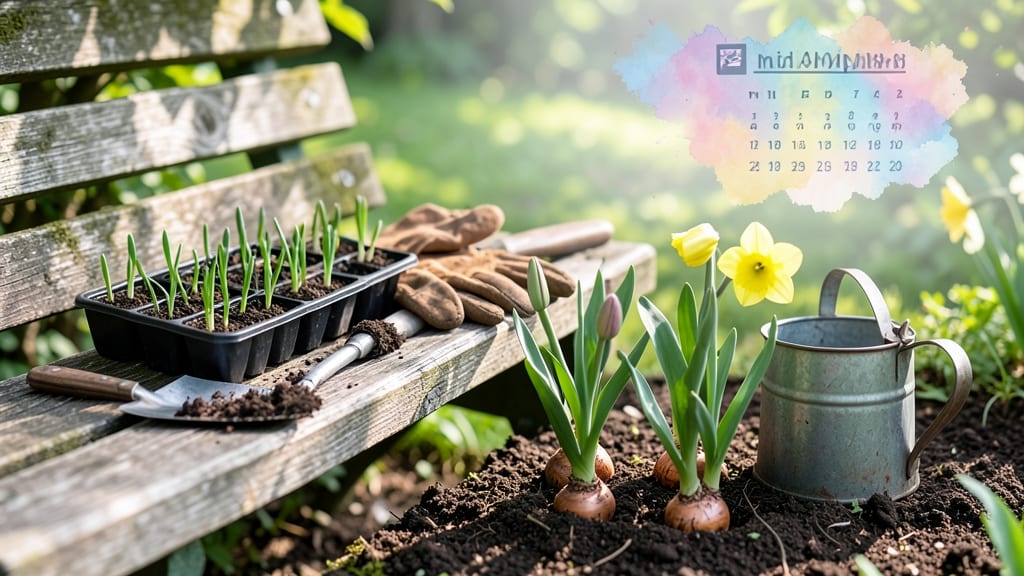
Timing your spring flower planting wrong can mean wasted seeds, stunted growth, or—worst of all—bolting before blooms appear. If you're in Zone 6a like me, knowing your last frost date (March 15 on average) is the key to avoiding these common mistakes and ensuring vibrant 🌸 flowers all season.
I’ve learned the hard way that planting too early risks frost damage, while waiting too long can leave your garden bare. The solution? A smart strategy tailored to your local climate and flower types.
Whether you're growing cool-season favorites like pansies or heat-loving marigolds, getting the timing right makes all the difference.
In this guide, I’ll walk you through exactly when to plant spring flowers in your area, how to prepare your soil, and what to watch for after planting. By the end, you’ll know the perfect window to start—so you can enjoy blooms from spring to fall without the guesswork.
Let’s dive into the foolproof planting schedule that’ll turn your garden into a showstopper. You’ll discover how to calculate your local frost dates, choose the right varieties, and keep your flowers thriving all season long.
Spring planting timeline by flower type: frost dates that prevent bolting
Spring is the perfect time to bring color to your garden, but planting flowers at the wrong time can lead to disappointment. The key to success lies in understanding your local frost dates and matching them with the hardiness zones of your flower varieties.
Cool-season flowers like pansies and snapdragons can handle light frosts, while warm-season favorites like marigolds and petunias need warmer soil to thrive. Let’s break down the ideal planting windows for each type to avoid bolting or frost damage.
Bolting occurs when flowers prematurely produce seeds due to stress, like cold snaps or inconsistent temperatures. By aligning your planting schedule with your region’s last frost date, you’ll give your flowers the best chance to establish roots and bloom beautifully.
For example, in Zone 5, most annuals should wait until after May 15, while Zone 9 gardeners can start as early as February for heat-loving varieties.
Here’s a quick comparison of the best planting times for popular spring flowers, organized by their temperature preferences. This table will help you plan your garden layout and succession plantings for continuous blooms.
| Flower Type | Ideal Planting Window | Soil Temp Requirement | Notes |
|---|---|---|---|
| Cool-Season Annuals | 4-6 weeks before last frost | 40-50°F (4-10°C) | Pansies, snapdragons, sweet peas |
| Warm-Season Annuals | After last frost, soil 60°F+ (15°C+) | 60-70°F (15-21°C) | Marigolds, petunias, impatiens |
| Heat-Sensitive Perennials | Early spring or fall (Zone 5-7) | 50-60°F (10-15°C) | Geraniums, columbines, lupines |
| Bulbs (Tulips, Daffodils) | Fall (6-8 weeks before first frost) | 50-60°F (10-15°C) | Plant in fall for spring blooms |
| Succession Planting | Every 2-3 weeks (spring-fall) | Varies by variety | Extend blooms with staggered plantings |
For cool-season flowers, like pansies and snapdragons, you can start seeds indoors or plant them outdoors 4-6 weeks before your last frost date. These hardy varieties can often tolerate light frosts, making them ideal for early spring color.
In Zone 5, that might mean planting as early as March, while Zone 8 gardeners can wait until February.
On the other hand, warm-season flowers such as marigolds, petunias, and impatiens need warmer soil temperatures to germinate. Wait until the soil reaches at least 60°F (15°C) and all danger of frost has passed.
In most regions, this falls between late April and early June, depending on your USDA hardiness zone. Planting too early can stunt growth or cause seed rot.
If you’re unsure about your last frost date, don’t guess—check your local National Weather Service or USDA Plant Hardiness Zone Map. Many garden centers also provide frost date calendars tailored to your region.
For example, Zone 9 gardeners in Southern California can start warm-season flowers as early as February, while Zone 4 gardeners in the Midwest should wait until mid-May.
Pro tip: Use frost cloths or row covers to protect early plantings from unexpected cold snaps. This gives you flexibility to plant sooner without risking damage. For instance, you can plant cool-season flowers in early spring and cover them if frost is forecasted, then remove the covers once temperatures stabilize.
Another strategy is to succession plant your flowers every 2-3 weeks throughout the spring and summer. This ensures a continuous display of blooms and maximizes your garden’s potential. For example, plant a batch of marigolds in early May, followed by another in late May and early June, to enjoy flowers
Spring planting timeline by flower type: frost dates that prevent bolting
Getting the timing right for spring flowers depends entirely on whether they’re cool-season or warm-season varieties. Planting pansies too late or marigolds too early can ruin your entire season.
In Zone 6a, where I garden, the last frost typically hits around March 15, but your exact timing may vary by 1-2 weeks depending on microclimates.
Cool-season flowers like pansies and snapdragons thrive when planted 4-6 weeks before your last frost date. Warm-season favorites such as petunias and marigolds need to wait until 2 weeks after the last frost when soil temperatures reach at least 60°F (15°C).
Heat-sensitive varieties like geraniums and impatiens should only go in after all danger of frost has passed.
Here’s a quick breakdown of when to plant the most popular spring flowers in your region:
| Flower Type | Planting Window | Soil Temp Requirement | Risk if Planted Too Early |
|---|---|---|---|
| Cool-Season (Pansies, Snapdragons, Violas) | 4-6 weeks before last frost (Zone 6a: February 15-March 1) | 45-55°F (7-13°C) | Frost damage, stunted growth |
| Warm-Season (Marigolds, Petunias, Zinnias) | 2 weeks after last frost (Zone 6a: April 1-April 15) | 60°F+ (15°C+) | Bolting, poor root establishment |
| Heat-Sensitive (Geraniums, Impatiens, Begonias) | After last frost (Zone 6a: April 15-May 1) | 65°F+ (18°C+) | Frost kill, leaf scorch |
| Perennials (Daylilies, Coneflowers, Black-Eyed Susans) | Early spring or fall (Zone 6a: March 15-April 15 or September-October) | 50°F+ (10°C+) | Slow establishment, winter dieback |
For Zone 6a gardeners, I recommend marking your calendar for March 15 as your target last frost date. If you’re in a cooler microclimate (like a valley), err on the side of caution and wait until April 1.
Conversely, if you’re in a warmer pocket (like near a south-facing wall), you might safely plant warm-season flowers by March 25.
Pro tip: Use biodegradable plant markers to track which flowers you’ve planted and their ideal spacing requirements. Overcrowding leads to competition for nutrients, which can stunt growth and reduce blooms. For example, marigolds need 12-18 inches of space, while pansies can thrive in 6-10 inches apart.
Once you’ve planted, monitor your garden for signs of stress, like yellowing leaves or wilting stems. These are red flags that your timing might be off or your soil conditions aren’t ideal. Adjust your watering or add a light mulch layer to retain moisture and regulate soil temperature.
By following this frost-date guide, you’ll avoid the heartbreak of bolting flowers and enjoy a long, vibrant blooming season from spring through fall. Next, we’ll dive into how to calculate your exact last frost date—so you can fine-tune your planting schedule even further. 🌱