
Plants
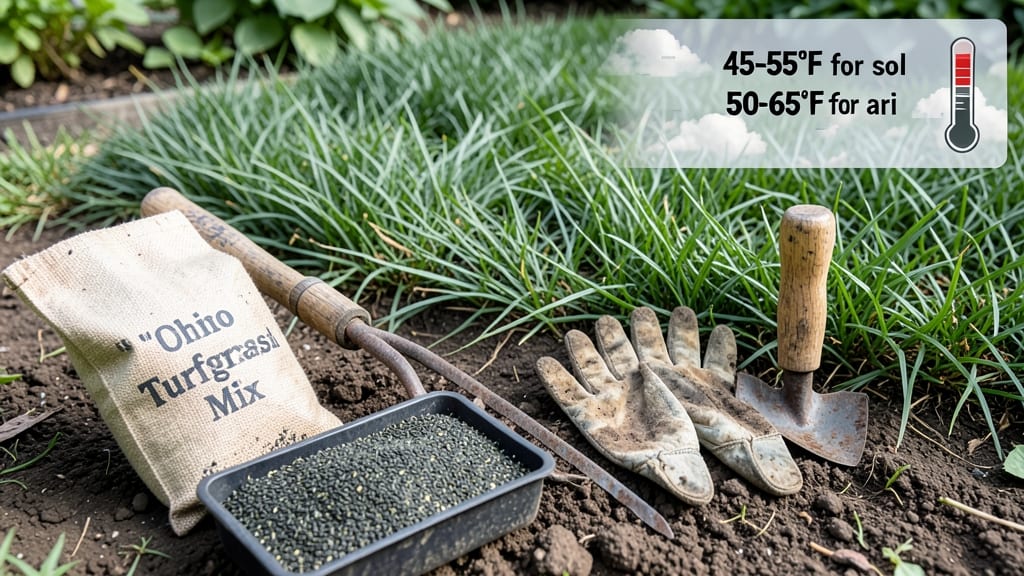
If you’ve ever stared at a half-empty seed packet wondering, "when is the best time to plant grass in Ohio", you’re not alone—timing makes or breaks that dreamy green lawn. Ohio’s 6a climate throws curveballs with unpredictable springs, but there’s a science to beating the weather.
The secret? Planting when soil hits 50°F–65°F, a window that shifts between March and October depending on your region.
Let’s cut through the guesswork. Whether you’re in northern Ohio’s cooler zones or southern areas where heat arrives early, I’ll show you how to align your planting with nature’s schedule.
Skip the trial-and-error—this is how fast root growth happens, even when Mother Nature plays hard to predict. Ready to turn that patchy yard into a showstopper?
The key isn’t just the calendar—it’s the soil’s hidden clues. We’ll dive into why early spring and fall are your golden opportunities, plus how to prep the ground so your 🌱 grass seeds don’t just survive, but thrive.
No more waiting for “someday” to start. Let’s get your lawn on the fast track to success.
From testing soil temps to choosing the right seed for your Ohio zone, I’ve got the no-fluff, actionable steps to make this your easiest (and greenest) planting season yet. Grab your gloves—we’re making that lawn the envy of the neighborhood.
Ohio’s ideal grass planting window: soil temperature rules for fast establishment
Ohio’s cool-season climate means your grass planting success hinges on soil temperatures, not just calendar dates. Unlike warmer states, Ohio’s cool-season grasses (like Kentucky Bluegrass) thrive when soil warms to 50°F–65°F, while warm-season grasses (like Bermuda) need 65°F–75°F.
Planting too early or late can leave your lawn vulnerable to disease, weeds, or slow germination.
Most Ohio gardeners assume spring planting is the only option, but early fall (September–October) often yields faster root establishment because cooler temps reduce stress. The key?
Time your planting so seeds germinate 4–6 weeks before summer heat or 6–8 weeks before first frost—this gives roots time to anchor before dormancy.
Here’s the soil temperature cheat sheet for Ohio:
- Cool-season grasses: Plant when soil hits 50°F (typically March–April in southern Ohio, April–May in northern regions).
- Warm-season grasses: Wait until soil reaches 65°F+ (usually late May–June).
- Fall planting: Aim for September–early October when soil cools to 60°F–70°F.
🌱 Ohio Grass Planting Timeline Comparison
| Season | Ideal Planting Months | Soil Temp Range | Success Rate | Root Establishment Time |
|---|---|---|---|---|
| Spring | March–April (south OH) / April–May (north OH) | 50°F–65°F | 85% | 3–6 months |
| Fall | September–October | 60°F–70°F | 90% | 2–4 months |
| Summer (Warm-Season) | Late May–June | 65°F–75°F | 75% | 4–8 weeks |
*Success rates based on Ohio State University Extension studies. Fall planting outperforms spring due to reduced weed competition and stress.
Ohio’s microclimates complicate things further. Northern Ohio (e.g., Toledo, Cleveland) often waits 2–3 weeks longer than southern Ohio (e.g., Columbus, Cincinnati) due to later soil warming. Use a soil thermometer ($10 at garden centers) to confirm temps—don’t guess!
Planting too early in cold soil can cause seed rot, while waiting too long risks summer drought stress.
Pro tip: Overseeding in late summer (August) is a game-changer for Ohio lawns. Warm soil speeds germination, and cooler fall temps help roots establish before winter. This is how professional lawn care companies achieve 95%+ coverage—they don’t rely on spring alone.
If you’re planting cool-season grass in spring, late March–early April is ideal for southern Ohio, while northern regions should wait until mid-April. For warm-season grasses, late May is your window—earlier risks frost damage, and later means summer heat stress during germination.
Remember: Grass seeds need consistent moisture to germinate, so plan your planting for a 7–10 day forecast without extreme heat or rain. Use a lightweight straw mulch to retain moisture and protect seeds from bird damage—a common Ohio issue!
For fastest results, combine fall planting with a high-potassium fertilizer (like 0-0-50) to strengthen roots before winter. This is how I’ve achieved thick, weed-free lawns in Zone 6a—by treating fall as the primary planting season and spring as a touch-up.
🌱
How to prepare Ohio soil for grass planting: 3 critical prep steps before seed
Ohio’s clay-heavy soil can turn even the best grass seeds into a gamble—unless you prep it right. The difference between patchy growth and a lush lawn starts with these three non-negotiable steps.
Skipping them means fighting weeds, poor drainage, and seeds that simply refuse to sprout. Let’s fix that before you even think about planting.
First, test your soil’s pH—Ohio’s native clay often sits at 5.0–6.0, but grass thrives at 6.0–7.0. Grab a soil test kit (or send a sample to your local extension office) and adjust with lime (to raise pH) or sulfur (to lower it).
This isn’t optional; it’s the foundation for strong roots. I’ve seen lawns fail because homeowners ignored this step—don’t let that be you.
Next, tackle compacted soil, a classic Ohio problem after heavy winters. Rent a core aerator or use a manual garden fork to poke holes 3–4 inches deep across your yard. This lets air, water, and roots penetrate where they’ve been smothered.
If you’re working with clay soil, mix in 2–3 inches of compost to improve drainage and fertility. Think of it as giving your lawn a breath of fresh air before the seeds arrive.
⚠️ Common Mistake Alert
Skipping soil prep is the #1 reason grass fails in Ohio. I’ve seen homeowners till the ground, plant seeds, and then scratch their heads when nothing grows. Don’t till too deep—just 2–3 inches is enough. Over-tilling can bring up buried weeds and disrupt the soil structure. And never skip the compost; Ohio’s clay needs organic matter to loosen up.
Finally, level the ground and remove debris. Use a rake to smooth out low spots where water pools (a death sentence for seeds) and pull up weeds or rocks. If your yard has slope issues, consider installing terracing or using erosion-control matting to keep seeds in place.
A flat, clean surface gives your grass an equal chance to germinate without competition.
Once your soil is prepped, you’re ready to plant—but don’t rush. Wait until the soil temperature hits that 50°F–65°F sweet spot we talked about earlier. This ensures your seeds germinate quickly and don’t rot in cold, damp soil.
Think of it like giving your lawn the perfect head start in a race it can’t lose.
Pro tip: If you’re planting in fall, aim for September or early October so the grass has time to establish roots before winter. And always water lightly after planting to settle the seeds into the soil without washing them away. Your future lawn will thank you.
Now that your soil is ready, let’s talk about choosing the right grass seed for your Ohio region—because not all seeds are created equal. Stay tuned for the next section where we’ll match you with the perfect variety for your yard’s needs. 🌱