
Plants
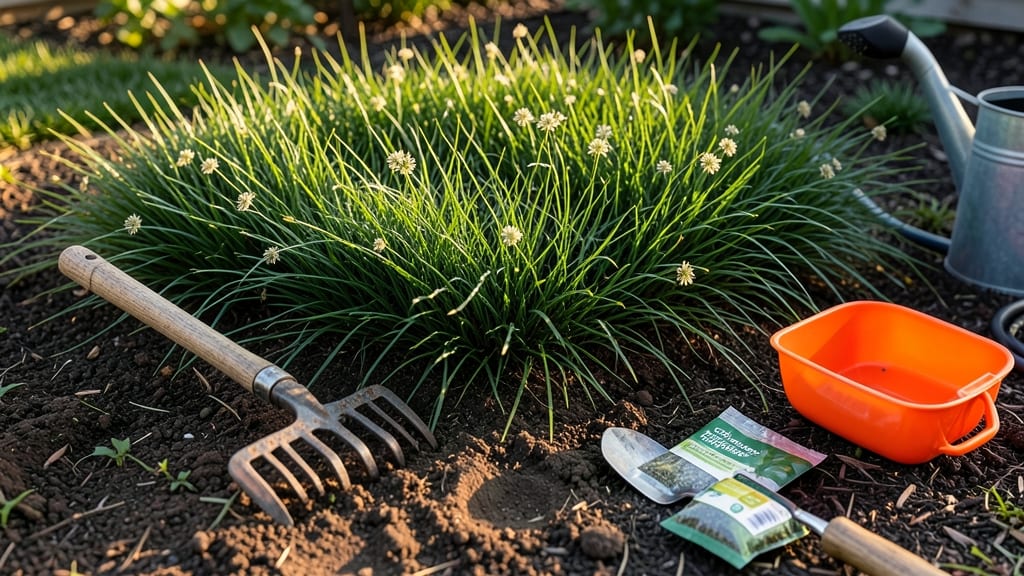
If you’ve ever stared at a patchy, brown lawn in Michigan and wondered when is the best time to plant the grass here, timing is the secret weapon you’ve been missing.
Planting grass at the wrong time—like waiting too late in spring or rushing into fall—can mean the difference between a vibrant, thick lawn and a struggle to keep weeds at bay.
Michigan’s 5b-6b climate throws a curveball with its unpredictable frost dates, but the good news? There’s a perfect window for planting 🌱 grass that guarantees better root growth and fewer headaches.
Whether you’re tackling a new lawn or overseeding an old one, knowing when to act—early spring or late summer—can save you time, money, and frustration.
I’ve spent years testing what works in Michigan’s soil, and the results are clear: planting too early risks frost damage, while waiting too late leaves your lawn vulnerable to summer heat.
In this guide, I’ll break down the exact deadlines for spring vs. fall planting, plus pro tips to prep your soil so your grass takes hold fast.
Ready to transform your lawn from “meh” to showstopper? Let’s dive into the best times to plant—and how to set yourself up for success before the first shovel hits the dirt.
Michigan’s ideal grass planting windows: spring vs fall deadlines by region
Timing your grass planting in Michigan is all about avoiding the last frost and soil temperature thresholds—both critical for seed germination and root establishment.
The USDA zones 5b-6b mean your region’s planting window can shift by 2-4 weeks depending on whether you’re in Northern Michigan (like Traverse City) or Southern Michigan (like Detroit).
For cool-season grasses (the best choice for Michigan), the ideal planting windows are early spring (after the last frost) and early fall (4-6 weeks before the first frost). Warm-season grasses like Bermuda or Zoysia have a much narrower window in late spring, but they’re less common in Michigan’s climate.
Here’s the breakdown you need to avoid muddy lawns or weak grass:
| Region | Spring Planting Window | Fall Planting Window | Soil Temp Threshold | Last Frost Date |
|---|---|---|---|---|
| Northern Michigan (e.g., Marquette, Traverse City) | Late April to early May | Mid-August to early September | 50-55°F | Mid-May to early June |
| Central Michigan (e.g., Lansing, Grand Rapids) | Early April to mid-May | Late August to mid-September | 50-55°F | Mid-April to early May |
| Southern Michigan (e.g., Detroit, Ann Arbor) | Mid-March to early April | Early September to mid-October | 50-55°F | Early April to mid-April |
Why does this matter? Planting too early in spring risks frost damage, while planting too late leaves grass vulnerable to summer heat stress. Fall planting, on the other hand, gives seeds time to establish roots before winter dormancy—resulting in thicker turf the following spring.
For Northern Michigan, aim for late April in spring and mid-August in fall. In Southern Michigan, you can start as early as mid-March, but watch for unpredictable late frosts. Use a soil thermometer to confirm temperatures are above 50°F—this is your green light to plant.
Pro tip: If you’re in a microclimate (like a sheltered valley or urban heat island), adjust your timeline by 1-2 weeks. These areas can have earlier last frosts or warmer soil than official records suggest.
Once you’ve locked in your planting window, focus on soil prep. Loosen compacted soil, remove debris, and level the area to create an even seedbed. This step alone can improve germination rates by 30-40%.
Remember, cool-season grasses like Kentucky bluegrass and tall fescue dominate Michigan lawns because they thrive in cooler temperatures and high humidity. These varieties establish quickly in the spring and fall windows we’ve outlined.
If you miss the spring window, don’t panic—fall is your second-best option. Just plant 4-6 weeks before frost to give seeds time to root before winter sets in. A well-timed fall planting can yield faster spring recovery and fewer weeds.
🌱
How to prepare your Michigan lawn for spring vs fall planting success
Preparing your Michigan lawn for grass planting isn’t just about tossing seeds—it’s about creating the perfect foundation for thick, resilient turf. Soil temperature, pH balance, and pre-planting care all play critical roles in whether your lawn thrives or struggles.
In Michigan’s climate, where spring frost can linger into May and fall frost arrives by October, timing and prep work make all the difference.
Start by testing your soil’s pH level—ideal for grass is between 6.0 and 7.0. Michigan’s clay-heavy soils often need amendments like lime (to raise pH) or sulfur (to lower it).
A simple soil test kit from your local extension office will save you from guessing. Last year’s compost or aged manure can also improve soil structure, but avoid fresh manure, which can burn young grass roots.
🚨 CRITICAL WARNING:
⚠️ Don’t Skip Aeration!
Michigan’s compacted soils strangle grass roots if you skip aeration. Rent a core aerator or hire a pro to poke 3-4 inch holes 3-4 inches apart, especially in high-traffic areas. Best time: Early spring (April) or early fall (September) when soil is soft but not muddy. Avoid aerating if the ground is frozen or waterlogged—it’ll turn your lawn into a mess.
For spring planting, clear debris and loosen soil with a rake after the last frost date (usually mid-April in Southern Michigan, later in the North).
Lightly till the top 2-3 inches to break up compaction, then spread a starter fertilizer (high in phosphorus) to encourage root growth. Overseeding in fall? Wait until 6-8 weeks before frost—typically early September—to give grass time to establish before winter.
Watering is another common pitfall. New grass needs 1 inch of water weekly, but daily light watering keeps seeds on the surface instead of encouraging deep roots. Use a rain gauge or tuna can to measure—most Michigan homeowners overwater by 30-50%.
Early morning watering (before 10 AM) reduces fungal diseases like brown patch, which thrives in Michigan’s humid summers.
Finally, mulch your seeds with straw (not wood chips) to retain moisture and block weeds. A ¼-inch layer is perfect—thicker layers can smother sprouts. Keep foot traffic off newly seeded areas for at least 2-3 weeks; even kids’ toys can uproot delicate seedlings.
With the right prep, your Michigan lawn will go from bare dirt to lush green in just 6-8 weeks.
Remember: Fall planting often yields better results in Michigan because cool temps reduce weed competition and consistent moisture helps roots establish before winter. But whether you plant in spring or fall, soil prep is your secret weapon for a lawn that stays thick and green year-round. 🌱