
Plants
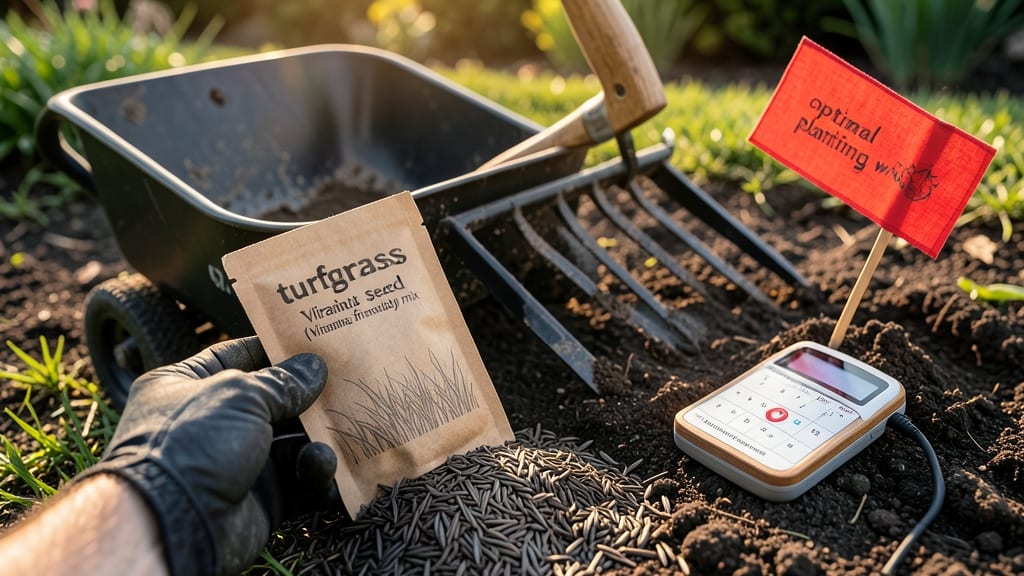
If you’ve ever stared at a patchy lawn and wondered when is the best time to plant grass seed in Virginia, you’re not alone. The answer isn’t just about picking a season—it’s about understanding Virginia’s unique climate, from the humid Coastal Plain to the cooler Mountain regions.
Planting at the wrong time can mean wasted effort, but timing it right gives you the lush, green lawn you’ve been dreaming of.
Most gardeners swear by early fall or spring as the best windows for planting 🌱, but Virginia’s USDA zones 6a-8a add layers to the equation. Soil temperatures, rainfall patterns, and even last frost dates vary dramatically across the state.
Whether you’re in Richmond or Roanoke, getting these factors right is the key to success.
In this guide, I’ll break down exactly when to plant—whether you’re a beginner or a seasoned gardener—and how to prepare your soil for maximum growth. You’ll learn how to avoid common mistakes that leave lawns struggling and discover pro tips to extend your planting season.
Let’s get your grass off to the right start!
Ready to transform your lawn? The first step is knowing the perfect moment to plant—and it’s simpler than you think. Let’s dive into the details so you can enjoy that vibrant green carpet all year round.
Virginia’s optimal grass seed planting windows: spring vs fall breakdown
Timing your grass seed planting in Virginia isn’t a one-size-fits-all task—it depends on your USDA zone (ranging from 5b in the mountains to 8a along the coast) and whether you’re planting cool-season or warm-season grasses.
The two best windows are early spring (March–April) and fall (September–October), but each has unique advantages and challenges for Virginia’s climate.
Cool-season grasses like tall fescue and Kentucky bluegrass thrive when planted in fall, taking advantage of mild temperatures and consistent rainfall before winter dormancy. Warm-season grasses like Bermuda and zoysia, however, prefer late spring planting when soil temperatures stay above 65°F for consistent germination.
Virginia’s regional microclimates further complicate timing. The Coastal Plain (zones 7b–8a) enjoys longer growing seasons, while the Piedmont (zones 6b–7a) and Mountains (zones 5b–6a) face earlier frosts. Below, we break down the ideal planting windows, soil temperature thresholds, and regional adjustments to ensure your grass seed succeeds.
🌱
For spring planting, aim to sow seeds 4–6 weeks before summer heat sets in (typically by mid-May in most of Virginia). This gives seedlings time to establish roots before high temperatures and drought stress take hold. In USDA zone 5b (mountains), delay until late May to avoid late frosts.
Fall planting, however, is often the most successful window for Virginia gardeners. Seeds germinate in cool soil (60–70°F), reducing weed competition and allowing roots to strengthen before winter.
In zone 8a (Coastal Plain), you can plant as late as mid-November, while zone 6a areas should finish by October 15.
Soil temperature is your best indicator for timing. Use a soil thermometer to confirm conditions—cool-season grasses need 60–70°F, while warm-season types require 65–75°F.
In Virginia’s variable climate, this often means fall is the safer bet for beginners, as it aligns with natural rainfall patterns and avoids summer’s heat spikes.
Don’t overlook seed variety when choosing your window. Tall fescue, Virginia’s most popular grass, thrives in both spring and fall but requires consistent moisture during germination. Bermuda grass, on the other hand, demands warm soil and struggles if planted before May 1 in most regions.
Pro tip: If you’re in transition zones (like the Piedmont), split your planting—sow half in spring (for warm-season grasses) and half in fall (for cool-season types) to extend your lawn’s green season.
🌿
Virginia’s optimal grass seed planting windows: spring vs fall breakdown
Virginia’s USDA zones 5b–8a create diverse planting conditions, but the ideal windows for grass seed are early spring (March–May) and fall (September–November). These periods align with soil temperatures between 60–75°F, perfect for seed germination and root establishment.
Cool-season grasses like tall fescue thrive in these windows, while warm-season types such as Bermuda or zoysia need the heat of late spring or early summer.
Your region matters—Coastal Plain areas (like Norfolk) can plant 1–2 weeks earlier than the Piedmont (Richmond) or Mountains (Roanoke), where frost lingers longer. For example, Northern Virginia’s last frost often hits around March 15, while Southside Virginia may see frost as late as April 1.
Timing isn’t just about dates; it’s about soil warmth and rainfall patterns—Virginia’s humid summers can bake seeds if planted too early.
| Factor | Spring Planting (March–May) | Fall Planting (September–November) |
|---|---|---|
| Soil Temp | 60–70°F (ideal for cool-season grasses) | 65–75°F (allows roots to establish before winter) |
| Best Grasses | Tall fescue, Kentucky bluegrass, ryegrass | Tall fescue, fine fescue, perennial ryegrass |
| Rainfall Risk | Moderate (spring showers help germination) | High (fall rains can cause erosion—use erosion control blankets) |
| Weed Competition | Low (weeds dormant in early spring) | Moderate (weeds sprout in warm fall soil) |
| Pest Threat | Grubs, chinch bugs (monitor after planting) | Fungal diseases (avoid overwatering) |
Fall planting often yields thicker, more drought-resistant grass because seeds germinate in cool weather, reducing stress from summer heat. Aim to plant 6–8 weeks before first frost—typically late September to early November in most of Virginia.
In Northern Virginia (USDA 6a–7a), this might mean planting by October 15, while Southside (USDA 7b–8a) can extend to November 1. Always check a local frost date map to adjust.
Spring planting requires patience—wait until soil temps consistently stay above 55°F (use a soil thermometer to check). In March, this might mean waiting until mid-to-late month, especially in Mountain regions where frost lingers.
For warm-season grasses, delay until late April or May when soil is 70°F+. Over-eager planting in March risks frost damage or seed rot from Virginia’s unpredictable spring rains.
Regardless of season, prep your soil 2–4 weeks before planting. Virginia’s clay-heavy soils need amendments like compost or sand to improve drainage.
Test your soil’s pH (6.0–7.0 ideal) and add lime if needed. Rake seeds lightly into the top ¼ inch of soil and water gently but deeply to avoid washing seeds away. Mulch with straw to retain moisture and protect young sprouts from birds or wind.
Pro tip: Use a seed-to-soil contact spray (like a light mist) to help seeds stick to the ground in windy Coastal Plain areas.
For shady lawns, choose fine fescue—it tolerates 2–4 hours of shade better than tall fescue. Water daily for the first 2 weeks, then taper to 2–3 times weekly once grass is 2–3 inches tall.
Avoid walking on new seed until it’s mature enough to resist damage (usually 4–6 weeks after planting).