
Plants
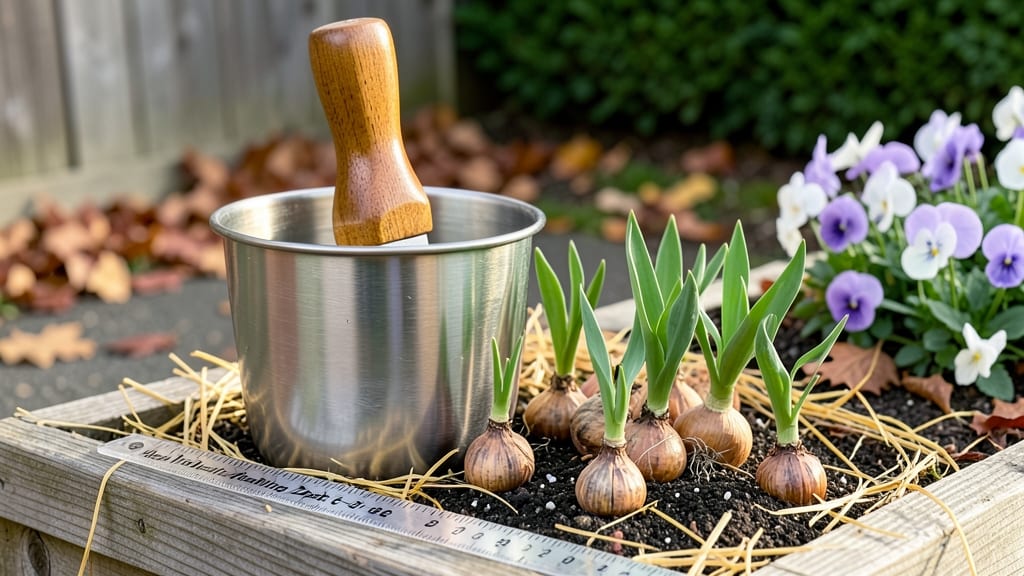
Planting tulip bulbs in Alabama at the wrong time could mean the difference between a stunning spring display and a disappointing flop—especially with our unpredictable frost dates.
The key to success lies in understanding your local climate zone, whether you're in USDA 7b or 8a, and timing your planting to avoid early freezes that can damage tender roots.
Most gardeners assume October through November works universally, but Alabama's varied microclimates demand precision. In North Alabama, where frost can arrive as early as mid-November, you'll want to plant by late October.
Meanwhile, gardeners in South Alabama have a slightly longer window, but waiting too late risks bulb rot before winter dormancy. Let's break down the exact frost-free planting window tailored to your corner of the state.
What makes this even trickier is Alabama's humidity and occasional warm spells that can confuse planting schedules. The ideal strategy involves checking soil temperatures (aim for 40-50°F) and adjusting for your specific frost date—typically between November 15 and December 15.
I'll show you how to calculate your personal planting deadline so you never miss the 6-8 week window needed for robust root establishment before winter sets in.
Once you've mastered the timing, we'll cover how to prepare your soil, choose the best tulip varieties for Alabama's climate, and protect your investment from our region's unique challenges.
Whether you're a first-time gardener or a seasoned pro, these Alabama-specific tips will help you grow vibrant, healthy tulips that bloom reliably year after year.
Best months to plant tulip bulbs in Alabama by climate Zone
Alabama’s USDA Zones 7b-8a create a tricky balance for tulip planting—too early, and bulbs rot in warm soil; too late, and frost kills tender shoots. The ideal window is 6-8 weeks before your first hard frost, which typically falls between mid-November and mid-December across the state.
For most Alabama gardeners, that means planting between October 15 and November 15. But timing varies sharply between North and South Alabama due to microclimates.
In North Alabama (Zone 7a/7b), where frost can arrive as early as November 10, aim to plant by October 20 to give bulbs time to root before cold sets in. Meanwhile, South Alabama (Zone 8a) gardeners often have until November 30 thanks to milder winters.
Check your local Alabama Cooperative Extension Service frost dates to fine-tune your schedule—just a few weeks can mean the difference between vibrant blooms and frost-damaged bulbs.
Soil temperature is just as critical as calendar dates. Tulip bulbs need soil temps between 40°F and 50°F to root properly. Use a soil thermometer to verify—if your soil is still above 50°F in October, wait a week or two.
In North Alabama, soil may cool faster, while South Alabama might need to wait until late October for safe planting.
Here’s the exact planting window broken down by region, with actionable deadlines to avoid common mistakes:
| Region | USDA Zone | First Frost Date | Ideal Planting Window | Last Safe Planting Date | Soil Temp Goal |
|---|---|---|---|---|---|
| North Alabama | 7a/7b | Nov 10–15 | Oct 15–Oct 31 | Nov 1 (hard deadline) | 40–50°F |
| Central Alabama | 7b/8a | Nov 15–20 | Oct 20–Nov 15 | Nov 15 (flexible) | 40–50°F |
| South Alabama | 8a | Nov 25–Dec 5 | Nov 1–Nov 30 | Dec 1 (late but safe) | 45–50°F |
Don’t let these dates stress you out—Alabama’s microclimates mean your backyard might differ from official averages. Urban areas like Birmingham often frost earlier than rural Huntsville, while coastal regions near Mobile stay warmer longer.
Observe your garden’s patterns for 3 years to refine your timeline. For example, if your neighborhood frosted on November 5 last year, plant by October 25 as a safety margin.
One common mistake Alabama gardeners make is planting tulips in September. While this gives bulbs more time to root, the warm soil can cause them to sprout prematurely, leading to frost damage or weak stems.
If you’re eager to start early, chill bulbs in the fridge for 6–8 weeks before planting in late September to mimic winter conditions.
For container gardening, the rules shift slightly. Potted tulips can handle 1–2 weeks later than in-ground plantings because containers warm up faster. Plant containers by November 1 in North Alabama and November 15 in South Alabama, then move them to a protected spot (like a garage) if frost threatens.
Just remember: containers drain faster, so water 2x weekly once shoots emerge.
If you miss the ideal window, don’t panic—December plantings can still work in South Alabama (Zone 8a), but bulbs may need winter mulch (4–6 inches of straw) to insulate them.
In North Alabama, December plantings are risky unless you’re using hardy species like Tulipa tarda, which tolerate colder soils. Always label your bulbs when planting late to track their progress.
Finally, test your soil before planting. Alabama’s clay-heavy soils in some areas can suffocate bulbs, while sandy soils drain too quickly. Amend with compost or peat moss to create a loamy, well-draining mix. Aim for a pH between 6.0 and 7.0—tulips thrive in slightly acidic to neutral soil.
A simple $10 soil test kit from your local garden center will save you from rotting bulbs or poor blooms.
With these Alabama-specific deadlines and soil prep tips, you’ll be ready to plant tulip bulbs at the perfect moment for your region—ensuring bold, healthy blooms next spring. 🌷
Best months to plant tulip bulbs in Alabama by climate Zone
Alabama’s USDA Zones 7b-8a create a tricky balance for tulip lovers. Unlike northern states, our mild winters and late frosts demand precise timing. Plant too early, and bulbs may sprout before winter—only to freeze back.
Too late, and they won’t root deeply enough for spring blooms. The sweet spot? 6-8 weeks before your average first frost, typically between mid-October and mid-November.
North Alabama’s Zone 7b (e.g., Huntsville, Decatur) faces earlier frosts, often by November 15. Aim to plant bulbs by October 15 to give roots time to establish. In Zone 8a (e.g., Mobile, Dothan), where frosts arrive December 1-15, you’ve got flexibility until November 15.
Always check your local Alabama Cooperative Extension frost date forecasts for real-time adjustments.
🌱 Pro Tip: Use a soil thermometer to confirm ground temps are 40–50°F—the ideal range for tulip bulb root growth. If temps dip below 32°F before roots establish, your bulbs may fail to bloom.
| Zone | Avg. First Frost | Planting Window | Soil Temp Goal | Actionable Deadline |
|---|---|---|---|---|
| 7b (North AL) | Nov 15 | Oct 15–Nov 1 | 40–50°F | Plant by Oct 15 for best results |
| 8a (South AL) | Dec 1–15 | Oct 30–Nov 15 | 40–50°F | Plant by Nov 15 to avoid frost risk |
| Urban Microclimates | Varies (check local data) | Adjust ±7 days | 40–50°F | Use soil thermometer for accuracy |
Missed the window? Don’t panic. Tulip bulbs can handle light frosts if planted in well-draining soil. For late plantings in December, choose hardy varieties like Darwin Hybrids or Fosteriana, which tolerate cooler soils better. Just know blooms may be smaller or delayed.
For container gardening, plant bulbs in October regardless of zone. Pots warm up faster and are more vulnerable to frost. Use black plastic pots to absorb heat and protect roots. In Zone 8a, you can even experiment with winter planting (January) for late-spring blooms, though results vary.
Remember: Alabama’s humidity can stress tulips, so prioritize well-draining soil and mulch heavily after planting. A 3-inch layer of pine straw insulates bulbs and retains moisture—critical for our hot summers and variable winters. 🌷