
Plants
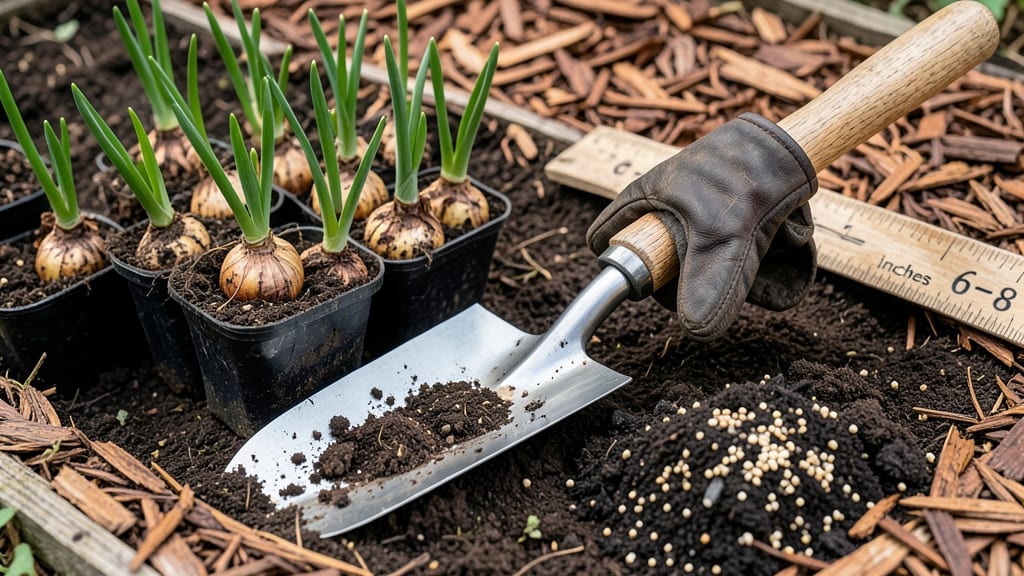
If you’ve ever wondered when can you plant potted tulips in the ground without risking weak roots or stunted blooms, the answer lies in one key factor: soil temperature.
Getting this timing right—whether you’re in Zone 6a or beyond—can mean the difference between vibrant 🌷 tulips next spring and disappointed gardeners staring at sad, wilted stems.
Fall is your best bet for planting potted tulips, but only when the ground cools to 50-60°F—that’s the magic window most gardeners miss. Planting too early in warm soil stresses the bulbs, while waiting too long risks frost damage.
I’ll walk you through the exact steps to prepare your potted tulips and the ideal transplant schedule for your climate, so you can avoid common pitfalls like overwatering or planting too deep.
What if you missed the fall window? Don’t worry—spring planting is still possible, but with a few critical adjustments. The key is timing it right after the last frost when soil thaws and roots can establish before summer heat sets in.
I’ll also share how to harden off your potted tulips gradually to minimize shock, ensuring they thrive in their new garden home.
Ready to transform your garden with bold, healthy tulips? Let’s dive into the science-backed timing, soil prep, and transplant tips that will have your 🌷 tulips blooming like never before—no guesswork required.
Soil temperature rules for planting potted tulips outdoors
Planting your potted tulips at the right time is all about soil temperature, not just the calendar. Tulips thrive when the ground reaches 50-60°F—this warmth signals their dormant bulbs to wake up and grow roots before shoots emerge.
If you plant too early in cold soil, roots stay dormant, and your tulips may rot or fail to bloom. Conversely, waiting too late risks heat stress or missed blooming seasons.
Most gardeners focus on frost dates, but soil temperature is the real game-changer. For example, in Zone 5, soil may hit 50°F in early April, while Zone 10 might not reach it until late February.
Use a soil thermometer (just $10 at garden centers) to check—insert it 6 inches deep, where tulip roots will grow. This simple tool prevents guesswork and ensures your bulbs get the perfect start.
Here’s the golden rule: Plant potted tulips when soil temps are consistently 50-60°F for 5+ days. This window typically falls 4-6 weeks before your last frost date in fall or early spring after the ground thaws.
For instance, in Zone 7, that’s usually mid-October to November for fall planting or March for spring. Adjust based on your local microclimate—shady spots warm up slower than sunny beds.
Regional variations matter! In northern climates (Zones 3-5), aim for late September to October (fall) or April (spring). In southern zones (7-10), plant in November-December or February to avoid summer heat.
Pro tip: Check your USDA Hardiness Zone and add 2-4 weeks to local frost dates for soil warm-up time. This flexibility accounts for urban heat islands or coastal breezes that can shift temps.
🌱
🌷 Soil Temp
Soil temperature rules for planting potted tulips outdoors
Planting potted tulips in the ground at the wrong time can stunt their growth or even kill them. The ideal soil temperature for transplanting is between 50-60°F, a range that signals the soil is cool enough to prevent bulb rot but warm enough to encourage root growth.
This window typically opens in late summer to early fall, depending on your USDA hardiness zone.
In Zone 6a, where many gardeners live, this usually means planting between mid-September and early October. For warmer zones like Zone 9-10, you might extend this window until November, while colder zones like Zone 3-4 may need to plant as early as late August.
The key is to plant 4-6 weeks before the first frost—this gives roots time to establish before winter dormancy.
Testing soil temperature is simple: use a soil thermometer inserted 6 inches deep. If it reads below 50°F, wait a few days. Planting too early in warm soil stresses the bulbs, while waiting too long risks frost damage before roots can anchor.
In Zone 6a, for example, soil temps drop below 50°F around October 15, so aim to plant by mid-September.
| Zone | Ideal Planting Window | Soil Temp Trigger | Notes |
|---|---|---|---|
| 3-4 | Late August - Mid-September | 50-60°F | Early frost risk; plant ASAP |
| 5-6 | Mid-September - Early October | 50-60°F | Classic fall planting zone |
| 7-8 | Late September - November | 55-65°F | Extend window into late fall |
| 9-10 | October - December | 60-70°F | Plant after summer heat subsides |
Missed the fall window? Don’t panic—spring planting is possible! In Zone 6a, aim to plant potted tulips in the ground by early April, once soil temperatures rise above 50°F and the ground thaws.
The key is to plant as soon as the soil is workable, ideally within 2-3 weeks of the last frost date. This gives roots time to establish before summer heat arrives.
For spring planting, focus on well-draining soil and consistent moisture to prevent bulb rot. Water deeply after transplanting and mulch with 2-3 inches of organic matter to retain moisture and regulate soil temperature. Avoid fertilizing at planting—wait until shoots emerge in late spring to feed.
Pro tip: If your tulips are still in pots by winter, move them to a cool, dark location (like a garage) and reduce watering to once a month. This mimics natural dormancy and prevents bulb rot until you’re ready to replant in spring.
With the right soil temperature timing, your potted tulips will thrive in their new garden home!