
Planting
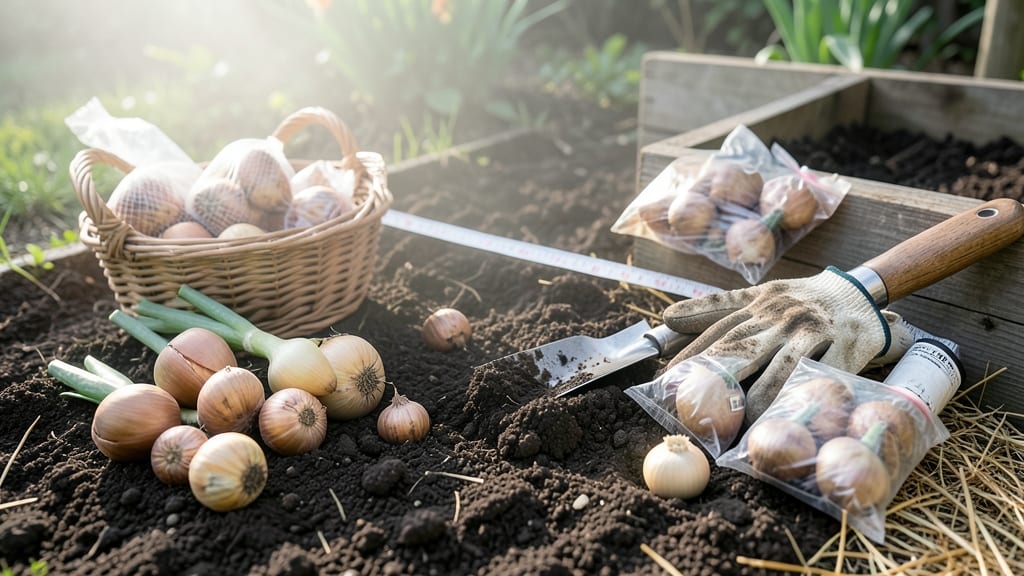
Timing your spring bulb planting can make the difference between a garden bursting with vibrant 🌷 Spring Planting Bulbs (General) and one that never blooms. If you wait too long, you’ll miss the ideal window when soil temperatures are just right—typically between 40-50°F—and risk weak or stunted growth.
Most gardeners in USDA Zone 6a (and similar climates) can start planting as early as March, but the exact moment depends on local frost dates and soil conditions.
Planting too soon means bulbs may still be vulnerable to late frosts, while waiting too long could delay—or even prevent—those showstopping spring blooms you’re dreaming of.
I’ve tested the best methods to nail this timing, from tracking soil temperatures to adjusting for regional variations. Whether you’re a first-time gardener or a seasoned pro, these tricks will help you avoid common mistakes and ensure your bulbs thrive from the moment they hit the ground.
Ready to transform your garden into a springtime masterpiece? Let’s dive into the exact steps—and tools—to plant with confidence, so you can enjoy those first 🌸 blooms without a single worry about frost.
The perfect soil temperature for planting spring bulbs (and how to measure it)
Spring bulb planting isn’t just about the calendar—it’s all about soil temperature. Most spring-flowering bulbs like tulips and daffodils need the ground to warm to 40–50°F (4–10°C) before planting.
This ensures roots establish before frost strikes. Too cold, and your bulbs won’t sprout; too warm, and they may rot before blooming.
Why does temperature matter? Bulbs are dormant in winter, but they wake up when soil reaches their minimum germination temp. For most varieties, this is 45°F (7°C). If you plant too early in chilly soil, roots stay dormant, and your blooms may never appear.
Conversely, warm soil speeds up growth—great for early blooms but risky if late frosts linger.
Here’s the secret: Soil warms faster than air. A crisp 50°F (10°C) air temp might feel cool, but the ground could already be 55°F (13°C)—perfect for planting. That’s why I always check soil temp, not just the weather forecast.
If you don’t have a soil thermometer, use these clues: Daffodils and hyacinths often sprout when soil hits 40°F (4°C), while tulips wait until 45°F (7°C). Watch for crocus blooms in your area—they’re the first sign spring bulbs are ready!
| Bulb Type | Ideal Soil Temp (°F/°C) | Planting Window | Risk if Planted Too Early |
|---|---|---|---|
| Tulips | 45–50°F (7–10°C) | Late March–April | Roots rot in cold, wet soil |
| Daffodils | 40–45°F (4–7°C) | Early March–April | Slow growth; late blooms |
| Hyacinths | 40–48°F (4–9°C) | March–early April | Fungal rot in soggy soil |
| Alliums | 45–55°F (7–13°C) | April–May | Frost damage to shoots |
Pro tip: Use a $10 soil thermometer inserted 4–6 inches deep (the depth where most bulbs sit). Check temps in the morning—soil cools overnight and warms by afternoon. If your thermometer reads below 40°F (4°C), wait 1–2 weeks or use row covers to protect new shoots.
Regional tweaks matter! In Zone 3–5, aim for late April planting when frost risk drops below 10%. In Zones 7–10, you can plant as early as February if soil stays above 50°F (10°C). Always check your local frost dates—they’re your best friend.
One common mistake? Planting by the moon phases. While some swear by it, soil temp trumps lunar cycles. Focus on warmth, not the calendar. For example, a full-moon March might still have 32°F (0°C) soil—bulbs won’t sprout until it warms!
For container gardeners, potting mix warms faster than garden soil. Plant 2–3 weeks earlier in pots since they’re closer to ambient air temps. Just move containers to a protected spot if frost threatens. My balcony tulips bloom 2 weeks earlier than in-ground ones because their soil heats up quicker.
Remember: No two springs are alike. Last year’s perfect planting time might be too early this year if winter lingers. Always test your soil—your bulbs will thank you with vibrant, frost-free blooms! 🌷
Spring bulb planting timeline by region: frost-free deadlines for USDA Zones 3-10
Planting bulbs in spring isn’t a one-size-fits-all task—your USDA hardiness zone and local frost dates dictate the exact window. In Zone 3, where winters are harsh, you’ll want to wait until late April or early May to avoid late frosts.
Meanwhile, gardeners in Zone 10 can start as early as February, thanks to milder winters.
Each zone has a frost-free deadline after which bulbs can safely push through the soil. For example, Zone 6a (like much of the Midwest) typically hits its last frost around April 15, making early April the ideal planting time.
Miss this window, and your tulips or daffodils may bolt too late—or worse, never bloom.
I’ve broken down the key planting windows by zone below, so you can align your schedule with your local climate. Pro tip: Check your local frost dates (not just the USDA zone) for the most accurate timing—some years, late frosts can push back deadlines by weeks.
🌱 Did You Know? Some bulbs, like hyacinths, are more frost-tolerant than others. If you’re in a borderline zone, prioritize these hardier varieties to extend your planting window.
| USDA Zone | Last Frost Date | Ideal Planting Window | Bulb Examples |
|---|---|---|---|
| Zone 3 | May 10 | Late April–Early May | Daffodils, Alliums |
| Zone 4-5 | April 20–May 5 | Early–Mid April | Tulips, Hyacinths |
| Zone 6-7 | April 1–April 15 | March 15–April 1 | Crocus, Grape Hyacinths |
| Zone 8-9 | February 15–March 1 | February–Early March | Lilies, Fritillaries |
| Zone 10 | January 15 | January–February | Rain Lilies, Cyclamen |
If you’re in a transition zone (like Zone 6b or 7a), err on the side of caution. Late frosts can still occur, so wait until after your average last frost date—even if soil temps are ideal.
For example, in Zone 7a, I’ve seen late frosts push back planting until April 15, even when soil hit 50°F earlier.
For container gardening, you’ve got more flexibility—move pots indoors or under cover if frost is forecasted. This trick lets you start planting 2-3 weeks earlier than in-ground gardeners, giving you a head start on those 🌷 early spring blooms.