
Planting
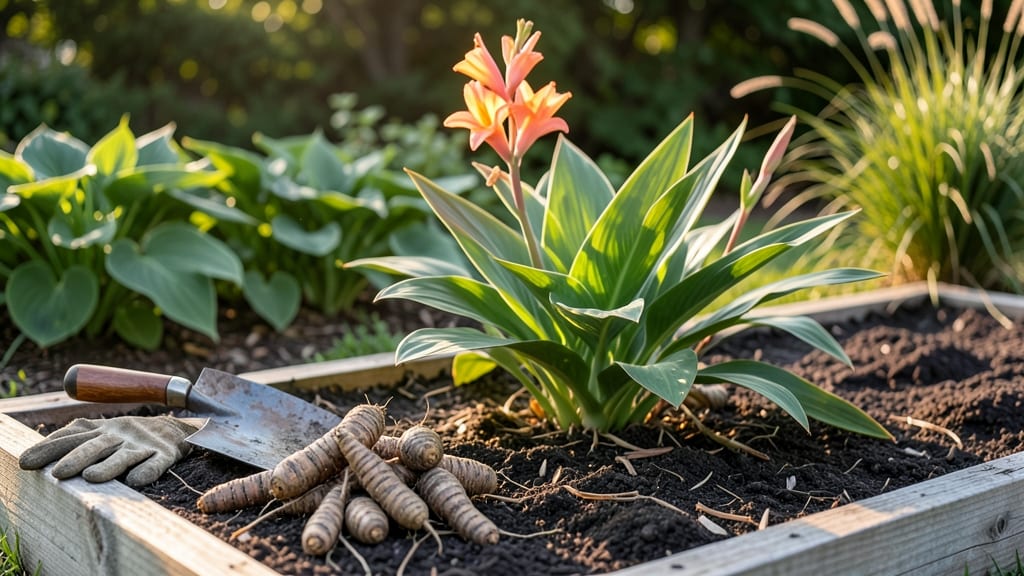
Timing when to plant canna bulbs in spring perfectly makes all the difference between a showstopping summer garden and a sad, frost-nipped flop. Plant too early, and those tender tropical roots might not survive a late freeze—plant too late, and you’ll miss out on weeks of vibrant blooms.
The secret lies in knowing your zone, soil temps, and a few simple tricks to give your cannas the head start they crave.
If you’re in USDA Zone 6a (like me!), your window is tight—wait until after the last frost date, usually mid-April, when soil hits a toasty 60°F. But don’t stress if you’re in warmer zones; the rules shift.
I’ll break down exactly when to plant where, plus how to prep soil and space bulbs for maximum impact. No more guesswork, just lush, drama-worthy foliage.
Here’s the game-changer: even if you’re eager to dig in, rushing can backfire. I’ll show you how to spot when your bulbs are truly ready—think sprouting signs and soil cues—and how to protect them if Mother Nature throws a curveball. Trust me, these 5-foot-tall stunners are worth the wait.
Ready to transform your garden into a canna-lily paradise? Let’s dive into the exact timing, zone-by-zone tips, and post-planting care to keep your tropical beauties thriving all season. Your summer garden will thank you!
Canna bulb planting timeline by USDA hardiness zones (with frost risk alerts)
Timing your canna bulb planting is everything—especially since these tropical beauties hate frost. Plant too early in zones 3-6, and you risk frost damage before they establish roots. But delay too long, and you’ll miss peak bloom season. The key? Soil temperature and frost-free dates.
Canna bulbs thrive in USDA zones 7-10, where spring warmth arrives early. But gardeners in colder zones (3-6) can still grow them—with strategic timing. The rule of thumb: Wait until soil reaches 60°F and the last frost date has passed.
In zone 7, that’s typically mid-April; in zone 10, you can plant as early as February.
Here’s the critical detail: Canna bulbs planted in cold soil (below 55°F) won’t sprout. They’ll rot instead. Use a soil thermometer to confirm readiness—this small tool saves hours of guesswork.
In zone 5, for example, I’ve seen gardeners plant in early May, only to watch their bulbs fail because the soil was still chilly.
Pro tip: Container gardeners in cold climates have an advantage—they can start bulbs indoors 4-6 weeks before the last frost, then transplant when soil warms. This trick extends your growing season by 3-4 weeks without risking frost damage.
Let’s break it down by zone. The summary table below shows your ideal planting window, frost risk, and soil temperature thresholds. Use it to pick the perfect date for your region.
Notice how zones 3-4 have the latest planting window? That’s because cold soil stunts growth. If you’re in a short-season zone, consider container gardening to control soil temperature. I’ve had success with black plastic mulch to warm the soil faster—it raises temperatures by 5-10°F in just days.
One common mistake? Planting too deep. Canna bulbs need 2-4 inches of coverage, but no deeper. Bury them too far, and they’ll rot before sprouting. Spacing matters too: Give each bulb 12-18 inches of space. Crowding leads to pale, leggy stems and fewer blooms.
After planting, mulch heavily to retain moisture and regulate soil temperature. A 3-inch layer of straw or pine needles works best. This isn’t just about looks—it’s a frost buffer. In zone 6, mulch can delay frost damage by 1-2 weeks, giving your cannas extra time to establish.
Remember: Canna bulbs are perennials in warm climates but act as annuals in cold zones. Dig them up in fall, store in dry peat moss, and replant next spring. This simple step saves money and ensures you always have vibrant blooms.
For zone 5 gardeners, I recommend planting two batches: one in early May for late-summer blooms, and another in June for fall color. Staggering planting dates extends your display season by 6-8 weeks—a game-changer for long summer evenings.
🌺
5 Signs your canna bulbs are ready for spring planting (and 3 mistakes to avoid)
Timing is everything with canna bulbs, and waiting for the perfect moment means the difference between lush summer blooms and wasted effort. Unlike cool-season plants, cannas thrive only when soil temperatures consistently stay above 60°F. Here's how to tell when your bulbs are ready—and what to avoid.
First, check your soil temperature using a soil thermometer. Canna bulbs won't sprout until the ground warms to 60°F or higher. In most regions, this happens 2-4 weeks after the last frost date.
For example, in USDA Zone 7, that’s typically mid-April, while in Zone 5, you might wait until early May.
Visual cues from your bulbs also signal readiness. Look for sprouting eyes—small green shoots emerging from the top of the bulb. These indicate the bulb is breaking dormancy and eager to grow. If you see these, it’s time to plant, even if your local frost date isn’t officially past.
Another key sign is softened bulb texture. When you gently squeeze a canna bulb, it should feel slightly plump and firm, not hard or shriveled.
This means it’s hydrated and ready to root. If it’s still rock-hard, wait a few more days—your soil may not be warm enough yet.