
Plants
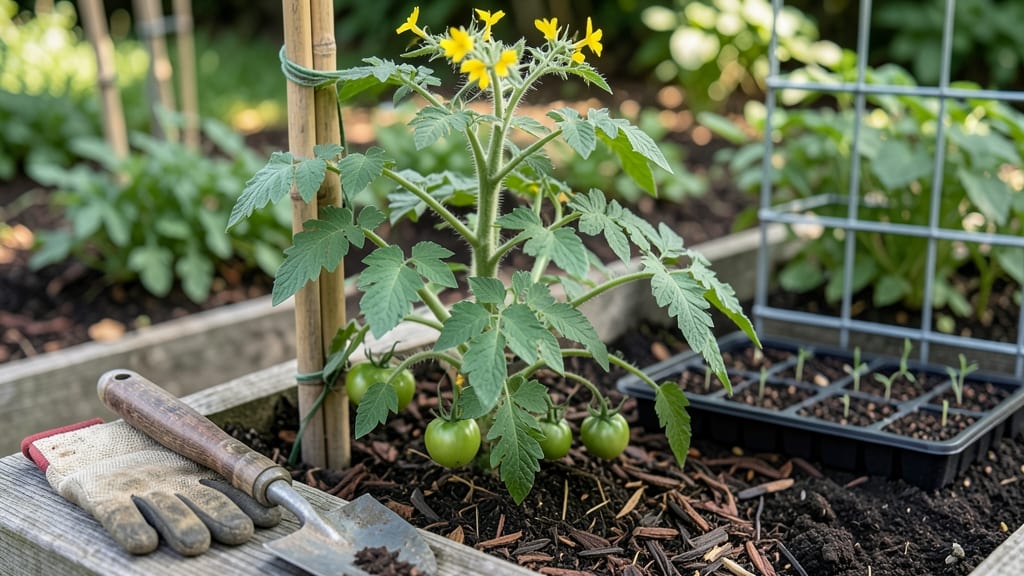
Knowing when to plant tomatoes in NJ can mean the difference between a bountiful harvest and a sad, frost-nipped disappointment.
With New Jersey’s 6a-7b climate, timing isn’t just about dates—it’s about watching for those first warm nights when your 🍅 seedlings can finally thrive without fear of a surprise freeze.
Most gardeners in the Garden State wait until mid-April to early June, but here’s the catch: Northern NJ (like Bergen County) plays by different rules than Southern NJ (like Cape May).
The key? Soil temperature—wait until it hits at least 60°F and nighttime temps stay above 50°F consistently. That’s your green light to get those seeds in the ground.
Whether you’re planting in containers or tilling up that in-ground plot, I’ll break down the best strategies to time it right—plus how to stretch your season with row covers and succession planting. No more guessing games, just data-backed advice tailored to NJ’s quirks.
Let’s dive into the exact windows, varieties that perform best in your zone, and how to protect your plants when Mother Nature throws a curveball. Your summer salads are about to get a whole lot tastier.
NJ last-frost dates by region: best planting windows for tomatoes
New Jersey’s diverse climate zones mean your last-frost date could vary by 2-3 weeks from north to south. For tomatoes, which hate frost, timing is critical.
In Northern NJ (USDA Zone 6a), like Bergen County, the average last frost is April 25, while Southern NJ (Zone 7b), such as Cape May, sees frost-free soil by April 10. Central NJ (e.g., Mercer or Middlesex) falls in between, with April 15-20 as the target.
But don’t rely on averages—check local forecasts or use Rutgers NJAES frost maps for real-time updates. Soil temperature matters just as much as air temperature. Tomatoes thrive when soil reaches 60°F+, which often lags behind air warming by 1-2 weeks.
Use a soil thermometer to confirm readiness, especially in cooler microclimates like high elevations or shaded areas.
Here’s how to translate frost dates into planting action:
| Region | Avg. Last Frost | Ideal Planting Window | Soil Temp Goal | Notes |
|---|---|---|---|---|
| Northern NJ (Zone 6a) | April 25 | May 1–15 | 60°F+ | Use row covers for early starts. |
| Central NJ (Zone 6b-7a) | April 15–20 | April 25–May 10 | 60°F+ | Best for early varieties like 'Stupice'. |
| Southern NJ (Zone 7b) | April 10 | April 15–May 1 | 55°F+ (earlier starts) | Try heirlooms with longer seasons. |
For container growers, warm up soil faster by placing pots on black plastic mulch or using heat mats.
In Northern NJ, I’ve had success with transplanting seedlings as early as April 10 under frost cloth, but only if night temps stay above 45°F. Heirloom varieties like 'Brandywine' need the full season, so plant them no later than June 1—any later, and you’ll miss harvest before frost.
Pro tip: Succession plant every 2 weeks after your first planting. This ensures a continuous harvest from July to October. For example, plant 'Early Girl' (55 days to maturity) in early May, then 'Better Boy' (70 days) in late May, and 'Cherokee Purple' (80 days) in early June.
This strategy maximizes your short NJ growing season.
Watch for false springs—those unexpected late frosts that can decimate young plants. Sign up for NJAES alerts or use a frost watch app to stay ahead. If frost threatens after planting, cover seedlings with row covers or old bedsheets secured with bricks or stakes.
Even a light frost (28–32°F) can kill young tomato plants, so don’t take chances.
Soil prep is just as critical as timing. Tomatoes crave fertile, well-draining soil with a pH of 6.0–6.8. Before planting, amend your beds with compost and a balanced fertilizer (5-10-10).
In heavy clay soils common in Northern NJ, mix in sand or perlite to improve drainage. Southern NJ’s sandy soils benefit from organic matter like leaf mold or coconut coir to retain moisture.
If you’re starting seeds indoors, begin 6–8 weeks before your last frost date. For Northern NJ, that’s early March; for Southern NJ, late February.
Use grow lights to prevent leggy seedlings, and harden off plants for 1 week before transplanting. Seedling shock is a common issue, so water deeply the day before transplanting and use transplanting solution to reduce stress.
Remember: Tomatoes are warm-season crops, and cool soil slows germination. If you’re tempted to plant early, opt for cold-tolerant varieties like 'Mountain Merit' or 'Solar Fire'
How to extend your NJ tomato season: greenhouse, row covers, and succession planting
New Jersey’s growing season might be short, but with the right strategies, you can enjoy homegrown tomatoes from early summer all the way into fall. The key is protecting your plants from late frosts and extending warmth into cooler months.
Whether you’re using a greenhouse, row covers, or clever planting schedules, these methods can add 4-6 weeks to your harvest window.
One of my favorite tricks is using low tunnels or frost cloths to create a microclimate around your tomato plants. These simple setups can raise soil temperatures by 5-10°F and shield young plants from unexpected chilly nights.
For container gardeners, move pots closer to the house or use black plastic mulch to absorb and retain heat.
Here’s how I extend my tomato season in NJ—step by step:
For container gardeners, move pots to a south-facing wall or under a cold frame to maximize warmth. I’ve even used old plastic storage bins with lids to create mini greenhouses for my cherry tomatoes—it works like a charm!
Pro tip: Pair your tomato plants with basil or marigolds to deter pests and improve flavor. These companions thrive in the same conditions and can help you squeeze every last drop of productivity from your NJ season.
Don’t let NJ’s short growing season limit your tomato dreams. With these strategies, you can enjoy fresh, vine-ripened tomatoes well into October—just in time for homemade sauces and salsas. 🍅