
Plants
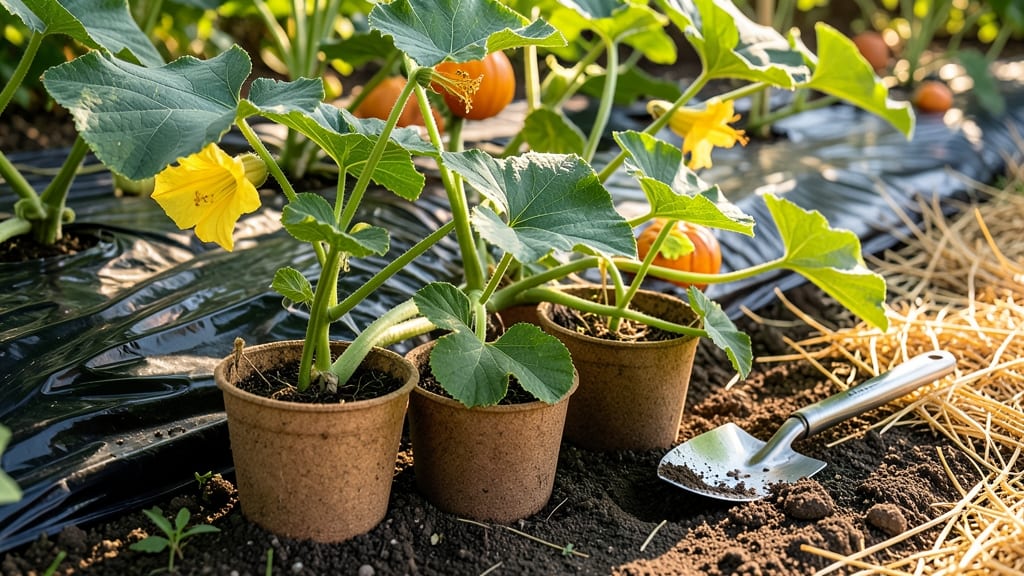
Planting pumpkins in Arizona isn’t just about timing—it’s about outsmarting the desert’s brutal heat and sudden monsoons to avoid bolt risk and wasted effort.
The perfect window for your 🎃 depends on whether you’re chasing a fall harvest or a winter one, but getting it wrong means vines bolt prematurely or fruits shrivel under the sun.
Most Arizona gardeners swear by planting between late June and early August for a fall harvest, but that’s just the start. High desert areas like Flagstaff play by different rules than Phoenix’s Low Desert, where soil temperatures can spike to 100°F by July.
The key? Wait until nighttime temps dip below 90°F—that’s when your pumpkins will finally settle in and thrive.
If you’re aiming for a winter harvest, shift your planting to September or October, giving your vines time to mature before the rare frost hits. But here’s the secret: soil prep matters just as much as the calendar.
Amending your soil with compost and using shade cloth during the hottest afternoons can mean the difference between a bumper crop and a bolted disappointment.
Ready to grow pumpkins that actually last? I’ll walk you through the exact schedule for your Arizona microclimate, plus pro tips to keep your vines happy—no guesswork, just harvest-ready 🎃 magic.
Best pumpkin planting months in Arizona (by region & microclimate)
Arizona’s diverse climate—from the 110°F+ low desert of Phoenix to the cooler high desert of Flagstaff—means pumpkin planting times vary wildly. Get it wrong, and you’ll face premature bolting (when plants flower too early) or heat stress.
The key? Planting in the late summer monsoon window when soil stays warm but daytime highs dip below 100°F after 4 PM.
Most Arizona gardeners aim for a fall harvest (October–December), but timing depends on your USDA Zone and local microclimate. For example, Tucson’s low desert (Zone 9b–10a) has a 6-week longer growing season than Flagstaff’s high desert (Zone 6b).
Even within Phoenix, east-side neighborhoods (like Mesa) stay cooler than west-side areas (like Scottsdale) due to elevation differences.
Here’s the desert-proven schedule broken down by region, plus how to adjust for heat spikes and early frosts—because Arizona’s weather is as unpredictable as a monsoon downpour.
| Region | USDA Zone | Best Planting Window | Soil Temp Requirement | Key Adjustments |
|---|---|---|---|---|
| Low Desert (Phoenix/Tucson) | 9b–10a | Late June–Early August | 70–80°F | Use shade cloth 30% for seedlings; water at night during 110°F+ days |
| High Desert (Flagstaff/Sedona) | 6b–7a | Mid-August–Late September | 65–75°F | Choose cold-tolerant varieties like ‘Jack Be Little’; mulch heavily |
| Monsoon Zones (Sahuarita/Prescott) | 8a–9a | Early July–Mid-August | 70–78°F | Plant after first monsoon rains; use drip irrigation to avoid fungal risk |
🌡️ Pro Tip: Use a soil thermometer—pumpkin seeds need consistent 70°F+ to germinate.
If you’re aiming for a winter harvest (January–February), plant late September–October in the low desert or October–November in the high desert. This lets vines mature before rare early frosts (which can hit Flagstaff by December 15). Just be warned: winter-grown pumpkins may be smaller due to shorter daylight hours.
For container gardening (common in Phoenix apartments), stick to bush varieties like ‘Cinderella’ and plant August 1–15. Containers heat up faster, so use black plastic pots (absorbs heat) and self-watering systems to prevent bolt risk. Avoid planting before July 20—the soil won’t stay warm enough for germination.
One critical mistake Arizona gardeners make? Planting too early in June. Daytime temps often exceed 105°F, causing seedling scorch. Wait until afternoon highs drop below 100°F (usually late June in the low desert) or use row covers for the first 2 weeks.
🎃 Variety Matters: ‘Howden’ (giant) needs 120+ frost-free days, while ‘Sugar Pie’ (pie pumpkin) matures in 80–90 days. Match your variety to your region’s last frost date—or lack thereof.
How to time your pumpkin planting for zero bolt risk (Arizona-specific tips)
Arizona’s intense heat isn’t just a challenge—it’s a bolt risk trigger for pumpkins. When soil temps hit 85°F+, your vines may bolt prematurely, sending up flowers before the fruit matures. The key? Delay flowering by controlling heat stress and choosing the right varieties.
First, test soil temperature before planting. Use a soil thermometer to confirm it’s between 70-85°F. If it’s hotter, wait—heat spikes cause seedling shock. I’ve seen pumpkins bolt in just 10 days when planted too early in Phoenix’s June heat.
For zero bolt risk, plant ‘Cinderella’ or ‘Jack Be Little’ varieties—they tolerate heat better than giant types. These smaller pumpkins mature faster (in 75-90 days) and handle Arizona’s short growing season better. Avoid ‘Howden’ or ‘Mammoth’ unless you’re in cooler Flagstaff.
Symptoms: Vines shoot up 6-inch flower stalks before fruit forms.
Cause: Soil temps > 85°F + dry winds.
Fix: Use 30% shade cloth for first 2 weeks or plant in late August for fall harvests.
Shade cloth is your secret weapon. Stretch 30-50% shade fabric over seedlings for 2-3 weeks to lower soil temps by 10-15°F. I’ve used it in Tucson’s monsoon zone to delay bolting by 3+ weeks. Pair it with drip irrigation—keep soil consistently moist but not soggy.
Watering deeply at dawn (not night) prevents stress. Drip lines placed 6 inches from vines keep roots cool. Avoid overhead sprinklers—they increase fungal risk in Arizona’s humid monsoons. Pro tip: Mulch with straw to retain moisture and block heat reflection.
Finally, space your plantings. Sow half your seeds in late July and the rest in early September for staggered harvests. This spreads out the heat risk window and ensures at least one batch matures before October’s cooler temps.
With these Arizona-specific tricks, you’ll avoid bolt risk and grow plump, vine-ripened pumpkins—no guesswork required. 🎃