
Plants
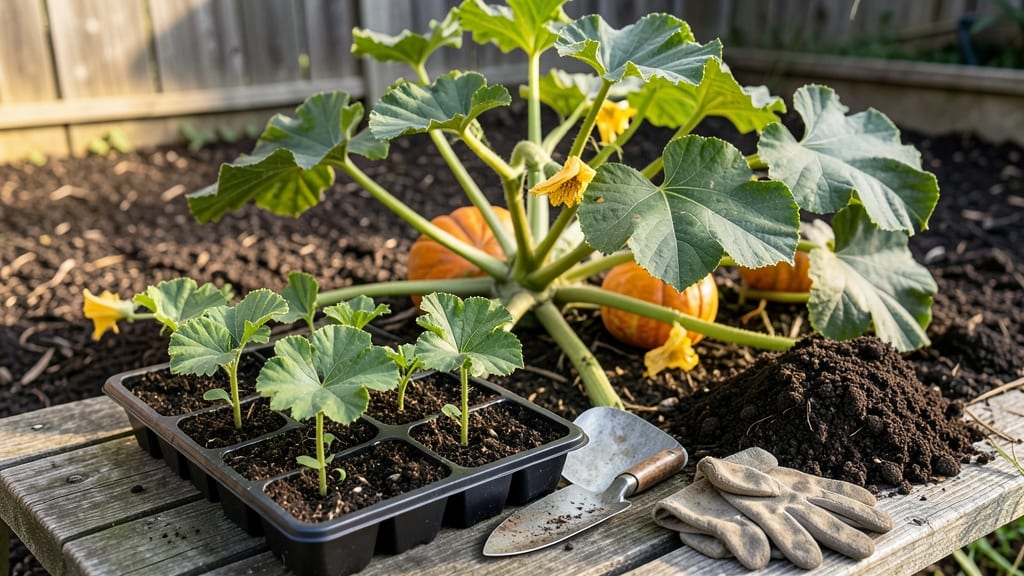
If you’ve ever planted pumpkins in Ohio only to watch them bolt too early or rot before harvest, you’re not alone. The perfect timing for sowing 🎃 seeds isn’t just about checking a calendar—it’s about understanding your soil’s hidden secrets.
Ohio’s USDA Zone 6a climate means frost can linger until mid-April, but rushing your pumpkins into cold ground triggers bolting—the dreaded early flowering that ruins your harvest. Meanwhile, waiting too long risks vines struggling to mature before the first frost in October.
I’ll break down the exact soil temperature triggers (55°F for 7+ days) that signal it’s safe to plant, plus how to adjust for Ohio’s microclimates—whether you’re in Northern Ohio’s cooler zones or the warmer Southern regions.
From choosing bolt-resistant varieties like ‘Jack Be Little’ to testing soil readiness without a thermometer, you’ll learn the proven strategies to maximize your pumpkin patch’s potential this season.
Ohio pumpkin planting calendar: exact dates by soil temperature zones
Ohio’s 165 frost-free days create a tight window for growing pumpkins, but timing isn’t just about avoiding frost—it’s about soil temperature. Pumpkin seeds need consistent 55°F+ soil for 7+ days to germinate properly.
Plant too early in cold soil, and you’ll trigger bolting (premature flowering), while waiting too long risks vines not maturing before the mid-October frost.
Ohio spans USDA Zones 5b-6a, with 5 distinct microclimates—Northern, Central, Southern, Appalachian, and Lake Erie regions—each with slightly different frost dates. For example, Toledo’s Lake Erie zone enjoys a 2-week earlier start than Youngstown’s Appalachian highlands. Let’s break down the ideal planting windows for each region.
| Region | Last Frost Date | Planting Window | Soil Temp Trigger | Notes |
|---|---|---|---|---|
| Northern (e.g., Cleveland, Toledo) | Mid-April | Late April–early May | 55°F+ for 7+ days | Lake Erie moderates temps; watch for late frosts. |
| Central (e.g., Columbus, Dayton) | Early April | Early April–mid-May | 55°F+ for 5+ days | Most reliable zone; ideal for beginners. |
| Southern (e.g., Cincinnati, Lexington) | Late March | Mid-March–late April | 50°F+ for 7+ days | Extended season; can plant earlier with row covers. |
| Appalachian (e.g., Youngstown, Akron) | Mid-April | Late April–early June | 55°F+ for 10+ days | Cooler nights delay planting; choose fast-maturing varieties. |
| Lake Erie (e.g., Sandusky, Lorain) | Early April | Early April–mid-May | 50°F+ for 5+ days | Lake breezes keep soil warmer; monitor for early bolting. |
For Northern Ohio, aim to plant by May 1st to ensure a 90-day growing season.
In Southern Ohio, you can start as early as mid-March if your soil warms quickly, but use row covers to protect seedlings from late frosts. Appalachian gardeners should wait until late April and prioritize bolt-resistant varieties like ‘Howden’ or ‘Cinderella.’
Pro tip: Use a soil thermometer to confirm readiness—55°F is the magic number for pumpkin seeds. If your soil is colder, wait 1–2 weeks or use black plastic mulch to warm it faster.
In Ohio’s unpredictable springs, this small step can mean the difference between flourishing vines and bolted failures.
Once your soil hits 55°F, plant seeds 1 inch deep in hills spaced 2–3 feet apart. Ohio’s summer heat (July–August) will then take over, pushing vines to spread 10–25 feet and produce fruit in 90–110 days.
But timing starts with that first warm soil test—skip it, and you’ll pay the price in bolting or frost-bitten vines.
Remember: Ohio’s first frost typically hits mid-October, so count backward from your variety’s days to maturity. For example, ‘Jack Be Little’ (75 days) can be planted as late as early July in Southern Ohio, while ‘Howden’ (110 days) needs to be in the ground by mid-May everywhere.
Plan accordingly!
How to test soil temperature for pumpkin success (without a thermometer)
Ohio’s spring weather is famously unpredictable—one day warm enough to plant, the next a surprise frost. Without a fancy soil thermometer, you can still gauge when your pumpkin seeds are safe to go in the ground using simple, no-cost methods I’ve perfected over years of gardening.
The key is hitting that 55°F soil temperature, which signals consistent warmth for pumpkin germination. Cold soil causes seeds to rot or sprout too slowly, while waiting for perfect conditions risks missing your planting window entirely. Here’s how to check without a thermometer:
⚠️ Warning: Cold Soil = Bolt Risk
Planting pumpkins in soil below 50°F triggers bolting—premature flowering that ruins fruit development. Ohio’s early springs often linger in the 40s°F range, so don’t rush!
My go-to trick is the finger test: Stick your index finger about 2 inches deep into the soil. If it feels warm to the touch (like a lukewarm bath), your soil is likely ready.
For a more precise gauge, try the potato spud method—bury a raw potato for 24 hours and dig it up. If it’s soft and slightly shriveled, your soil is still too cold.
Another foolproof method? Plant a test crop like radishes, which sprout in just 3–4 days. If they emerge quickly and grow vigorously, your soil is warm enough for pumpkins. This works especially well in Ohio’s microclimates, where urban areas warm faster than rural fields.
For Lake Erie regions, add 1–2 weeks to your timeline—cool lake breezes delay soil warming. Meanwhile, Southern Ohio’s Appalachian foothills often hit ideal temps 10–14 days earlier than Northern zones. Adjust your planting date based on these local patterns.
Pro tip: Cover your soil with black plastic mulch 1–2 weeks before planting. This warms the ground faster and creates a microclimate that mimics summer conditions, giving you a 2-week head start on the growing season.