
Plants
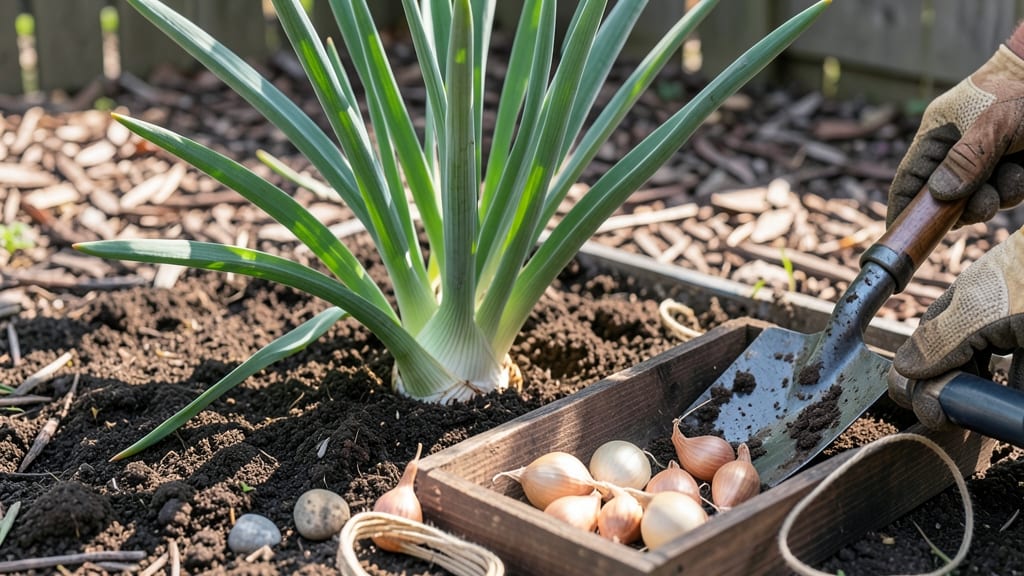
Timing your 🧅 onion planting in Ohio isn’t just about the calendar—it’s about beating the clock before last frost to avoid bitter bulbs or wasted effort. Plant too early, and you risk bolting; too late, and your harvest shrinks.
The key is knowing exactly when to start seeds or sets for Ohio’s 6a zone, where spring weather can swing from frost to 70°F faster than you can say "harvest season."
Most Ohio gardeners get it wrong by focusing only on the month instead of the precise weeks before that critical April 15 last-frost date.
Whether you’re growing from seed or sets, the difference between a perfectly sweet onion and a sad, pithy disappointment often comes down to these exact timing windows. I’ll show you how to nail it—no guesswork, just results.
You’ll also discover why March-April is your best bet for spring planting, plus how fall options in September can extend your harvest into October. Plus, I’ll cover the top varieties that thrive in Ohio’s climate and how to adjust for unpredictable weather without losing your crop to bolting or pests.
Ready to grow onions that rival store-bought in flavor and size? Let’s dive into the exact planting schedule, soil prep secrets, and variety choices that’ll make your Ohio garden the talk of the neighborhood.
Ohio onion planting calendar: exact weeks before last frost by variety
Ohio’s variable climate makes timing critical for growing sweet, plump onions. Plant too early, and you risk bolting (premature flowering). Too late, and your harvest shrinks. The key? Align planting with last frost dates and choose varieties suited to Ohio’s intermediate-day length (12-14 hours of daylight).
Most of Ohio falls in USDA Zone 6a, where the average last frost hovers around April 15.
For spring-planted onions, aim to set out sets or seedlings 4-6 weeks before your last frost. In Ohio, that means mid-March to early April in most regions.
Northern Ohio (e.g., Cleveland) may need to delay until late March due to colder microclimates, while southern Ohio (e.g., Cincinnati) can start as early as February in protected beds. Fall planting for overwintered onions should occur 8-10 weeks before first frost (typically September).
Onion varieties fall into three categories: short-day, intermediate-day, and long-day. Ohio’s climate favors intermediate-day onions, which tolerate the region’s 12-14 hour daylight without bolting. Examples include ‘Yellowstone’ and ‘Candy’.
Short-day varieties (like ‘Texas Early White’) may bolt in Ohio’s longer summer days, while long-day varieties (like ‘Sweet Sandwich’) struggle unless planted early.
Here’s how to adjust your planting window based on variety and region:
| Variety Type | Best Varieties for Ohio | Planting Window (Before Last Frost) | Northern Ohio (e.g., Cleveland) | Southern Ohio (e.g., Cincinnati) | Bolting Risk |
|---|---|---|---|---|---|
| Intermediate-Day | Yellowstone, Candy, Sweet Sandwich | 4-6 weeks | Late March - Early April | Mid-March - Late March | Low-Medium |
| Short-Day | Texas Early White, Red Creole | 3-4 weeks | Early April | Late March | Medium (bolts in summer) |
| Long-Day | Sweet Spanish, Walla Walla | 6-8 weeks (early) | February - Early March | January - February | High (unless early) |
| Fall-Planted (Overwintered) | All varieties | 8-10 weeks before first frost | Mid-September | Late August - Early September | Low (harvest next year) |
Ohio’s microclimates can shift planting windows by 2-3 weeks. For example, Columbus (central Ohio) typically aligns with Cincinnati, but urban heat islands in cities like Dayton may allow earlier planting. Use a soil thermometer to confirm readiness—onions need soil temps above 40°F to germinate.
If your soil is still cold in March, wait until April 1 or start seeds indoors for a head start.
Another trick? Mulch heavily after planting to stabilize soil temps and retain moisture. Use straw or shredded leaves (avoid grass clippings, which mat down and suffocate plants). This extends your planting window by 1-2 weeks in both spring and fall. Just
For fall harvests, plant sets in September (northern Ohio) or August (southern Ohio). These onions grow slowly over winter, yielding sweeter, smaller bulbs in early summer. Choose storage varieties like ‘Stuttgarter’ for longer shelf life. Avoid long-day varieties—they’ll bolt before winter sets in.
Pro tip: Mark your calendar for Ohio’s average frost dates, but be ready to adjust. Late frosts in May or early warm spells in March can throw off your schedule. If nighttime temps dip below 28°F, protect young plants with row covers or cloche tunnels.
With the right timing, you’ll harvest plump, sweet onions from June through October—no bitter surprises! 🧅
Ohio onion planting calendar: exact weeks before last frost by variety
Ohio’s 6a climate zone gives you a narrow window—just 4-6 weeks before the average April 15 last frost—to plant onions without risking bolting. The key is matching your onion variety to Ohio’s intermediate-day length, where neither short-day nor long-day types thrive perfectly.
Most gardeners in Columbus or Cincinnati should aim for early March to mid-April planting, but timing shifts slightly based on whether you’re using sets, seedlings, or seeds.
For spring-planted onions, your harvest hinges on soil temperatures staying above 50°F consistently. If you plant too early, cold snaps will stunt growth; too late, and your bulbs won’t mature before summer heat triggers bolting.
The sweet spot is when daytime highs hit 60°F+ reliably, typically 4-6 weeks before last frost in most of Ohio.
The visual guide below breaks down exact planting weeks by variety, regional adjustments, and bolting risks. Use this to avoid the most common mistake: planting Yellowstone or Candy onions too early in northern Ohio (like Toledo) or too late in southern Ohio (like Chillicothe).
📅 Ohio Onion Planting Schedule by Variety
| Variety Type | Best Planting Window (Weeks Before Last Frost) | Regional Adjustment | Bolting Risk |
|---|---|---|---|
| Short-Day (e.g., 'Candy') | 5-6 weeks | Northern OH (Toledo): Plant 1 week earlier | Low (if planted on time) |
| Intermediate-Day (e.g., 'Yellowstone') | 4-5 weeks | Southern OH (Chillicothe): Plant 1 week later | Moderate (watch for heat spikes) |
| Long-Day (e.g., 'Sweet Sandwich') | 3-4 weeks | All regions: Highest bolting risk | High (plant late or use shade cloth) |
| Fall Planting (Sets Only) | 8-10 weeks before first frost (early Sept) | All regions | None (harvest before winter) |
💡 Pro Tip: Use a soil thermometer to confirm temps are 50°F+ before planting—this is your real deadline, not the calendar.
If you’re planting from seed, start them indoors 8-10 weeks before last frost (around February 15) for transplants ready by early April. For sets or seedlings, direct-sow 4-6 weeks before last frost—this aligns with when soil warms enough for root growth.
The biggest mistake Ohio gardeners make? Planting Yellowstone (intermediate-day) too early in northern Ohio, which triggers bolting before bulbs form.
For fall harvests, plant onion sets in early September (8-10 weeks before first frost) to avoid winter kill. These onions mature quickly in cool weather, giving you sweet, pungent bulbs by October—perfect for storage. Just skip seeds in fall, as they won’t have time to establish before winter.
🌱 Remember: Ohio’s unpredictable spring means your planting date isn’t set in stone. If a late frost threatens, cover seedlings with row fabric or wait until soil is reliably warm.
The goal is consistent 60°F+ days for 6-8 weeks after planting—this is what builds plump, sweet bulbs, not just following a calendar.