
Companion Plants
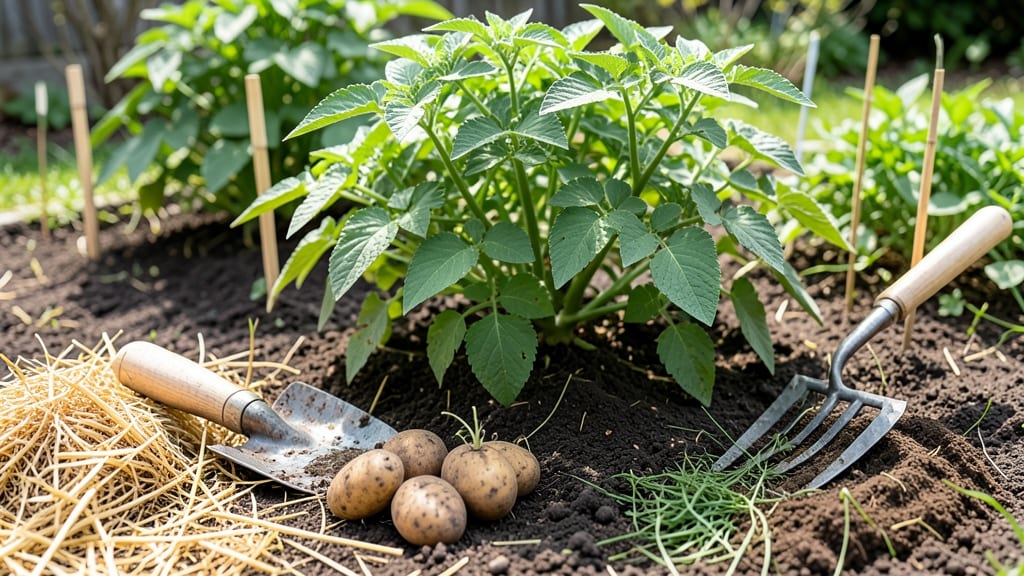
Timing when can I plant potatoes in Texas wrong can turn your dream harvest into bitter, flower-filled disappointment—but get it right, and you’ll enjoy homegrown spuds twice a year.
Whether you’re in North Texas’s chilly 8a zone or South Texas’s balmy 11, the key lies in planting 4-6 weeks before your last frost, not just guessing at spring or fall.
Most gardeners in Texas make one critical mistake: planting too early when soil temps are still cool, triggering that dreaded bolting. I’ve learned the hard way—your 🥔 potatoes need soil that’s at least 45°F (and ideally 50-60°F) to grow tubers instead of flowers.
That’s why North Texas gardeners should start in late February, while South Texas growers can kick off their fall harvest as early as September.
What you’ll discover here is the exact planting window for your region, plus pro tips to avoid bolting—like chitting your seed potatoes and choosing the right varieties for Texas heat. Let’s dive into the perfect timing for your zone so you can enjoy a bumper crop without the stress.
From frost dates to soil prep, I’ll walk you through every step to ensure your 🥔 potatoes thrive year-round. No more wasted seeds or bitter surprises—just fluffy, homegrown spuds ready for your favorite dishes. Ready to get started?
Texas potato planting calendar: exact weeks before last frost by region
Texas's diverse climate means your potato planting timeline depends heavily on your USDA zone and last frost dates.
In North Texas (Zone 8a), you'll plant 4-6 weeks before the February 15 average frost date, while South Texas (Zones 9b-11) gardeners can often plant as early as January for fall harvests. Central Texas falls somewhere in between, with March 1 as the critical cutoff.
For all regions, soil temperature is the true deciding factor. Potatoes need 45-50°F soil temps to sprout consistently. In Texas, this typically aligns with late February for spring plantings and September for fall plantings.
Using a soil thermometer ensures you don't plant too early when cold soils delay germination.
Here's how to align your planting with Texas's regional variations to avoid bolting:
In North Texas, aim for late February to early March plantings when soil temperatures consistently reach 45°F. This gives you 90-120 days to harvest before summer heat sets in.
For Central Texas, you have more flexibility with late February to early April windows, while South Texas gardeners can plant as early as January for spring or September-October for fall harvests.
Pro tip: Use chitting (pre-sprouting) for 4-6 weeks before planting to jumpstart growth. Place seed potatoes in a cool, bright spot (60-65°F) with light exposure to encourage 1-inch sprouts before transplanting. This 2-week head start compensates for Texas's unpredictable early spring temperatures.
Always check local agricultural extension reports for your specific county, as microclimates can shift frost dates by 1-2 weeks.
For example, El Paso may have earlier planting windows than Dallas, even though they're both in Zone 8a. The Texas A&M AgriLife Extension offers county-specific frost data that's more precise than USDA zones.
For fall plantings, focus on September-October timing to harvest before the first frost. In North Texas, this means aiming for November harvests before the December 1 average frost. South Texas gardeners can extend harvests into December with row covers or cold frames.
Remember: Potatoes bolt (flower prematurely) when exposed to consistent temperatures above 80°F for extended periods. In Texas, this means summer plantings rarely work unless you use shade cloth or succession plant early varieties like 'Yukon Gold' or 'Red Norland'.
How to extend your Texas potato growing season without bolting risks
Texas gardeners can grow potatoes year-round with the right techniques. Fall plantings in September-October yield winter harvests, while early spring plantings avoid summer heat stress. The key is season extension and variety selection tailored to Texas's unique microclimates.
North Texas (USDA Zones 8a-8b) faces earlier frosts than South Texas (Zones 9b-11). Cold frames and row covers add 2-4 weeks to your growing window. For example, planting Yukon Golds in late August under row covers lets you harvest in November-December.
Here’s how to maximize your potato season in Texas:
🌱 Use Cold Frames
Extend fall harvests by 4-6 weeks with cold frames. Place frames over planted rows in September to trap heat and delay frost. Remove covers during day for ventilation.
🌿 Choose Early-Maturing Varieties
Select 60-70 day varieties like Red Pontiac or Silverton Russet for fall plantings. These avoid summer bolting risks while still yielding before frost.
✂️ Succession Plant Every 2 Weeks
Plant new rows every 14 days from February-March (spring) or September-October (fall). This ensures a continuous harvest and reduces bolting risks from overcrowding.
💧 Adjust Watering for Season
Increase watering to 1-2 inches weekly during spring planting but reduce to every 10 days in fall as harvest nears. Overwatering in late season promotes disease.
🌡️ Monitor Soil Temperature
Use a soil thermometer to ensure temperatures stay above 45°F for germination. In South Texas, fall plantings thrive with cooler soil temps, while North Texas needs warmer soil in spring.
For South Texas gardeners, winter harvests are possible with row covers and shade cloth during extreme heat. Try planting Purple Majesty in October for a December-January harvest—just be sure to protect from freezing nights.
Pro tip: Chit your seed potatoes 4-6 weeks before planting to jumpstart growth. Place them in a bright, cool spot (60-65°F) with sprouts facing up for faster emergence in Texas’s unpredictable spring soil.