
Plants
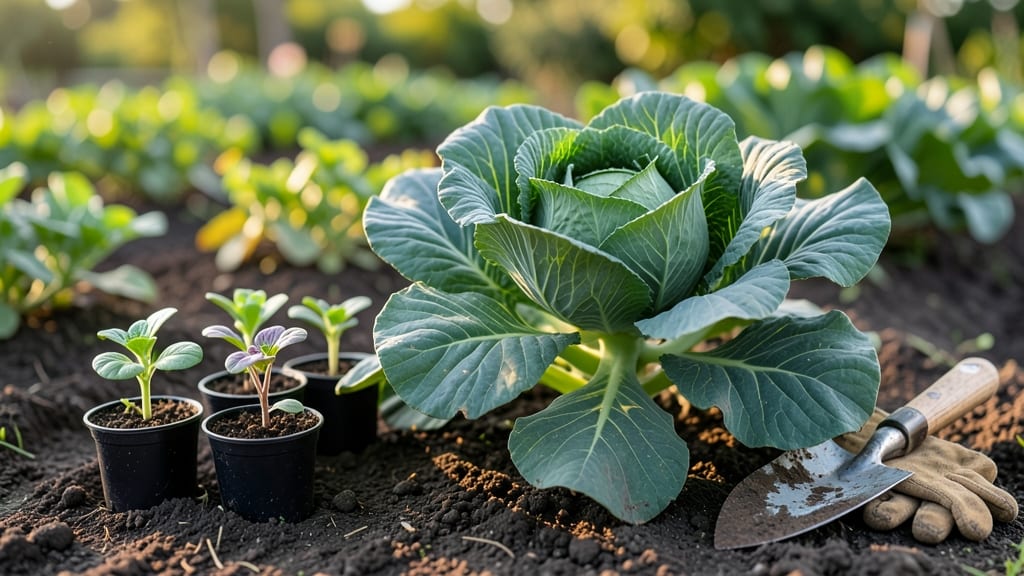
Timing your cabbage planting in Maryland isn’t just about following a calendar—it’s about dodging bolting and maximizing your harvest.
With Maryland’s 7a-7b climate, you’ve got just 4-6 weeks before the last frost to get seeds in the ground for spring, or risk watching your plants bolt before they even form heads.
I’ve learned the hard way that planting 🥬 too early can stunt growth in cold soil, while waiting too long cuts your harvest short. The key?
Knowing exactly when to start seeds indoors (around February 15) and when to transplant outdoors—typically between March 15 and April 30—to align with Maryland’s frost-free window.
But here’s the game-changer: Maryland’s fall planting window (September 1–October 15) offers a second chance for harvests. Whether you’re growing early varieties like Golden Acre or late-season January King, I’ll show you how to time it perfectly for two crops a year—no wasted effort.
Let’s break down the exact weeks before last frost, soil prep tips, and how to adjust for coastal vs. inland microclimates. By the end, you’ll know exactly when to plant for a bumper crop, not a bust.
Maryland’s cabbage planting calendar: exact weeks before last frost to prevent bolting
Timing your cabbage planting in Maryland is all about avoiding bolting—that unwanted flowering that turns your heads bitter. The last frost date (around April 15) is your anchor, but soil temperature and variety choices matter just as much.
For spring crops, aim to plant 4-6 weeks before the last frost, while fall plantings should go in 8-10 weeks before the first frost (November 1).
Maryland’s USDA Zones 7a-7b give us a 165-day frost-free season, perfect for two cabbage harvests: one in June-July and another in October-November. The key? Start seeds indoors 4-6 weeks before transplanting outdoors.
This head start ensures your seedlings are robust enough to handle Maryland’s humidity swings and occasional late frosts.
Here’s the golden rule: Soil must be at least 45°F (7°C) before planting. Cold soil stunts growth, leaving plants vulnerable to pests. Use a soil thermometer to check—if it’s below 45°F, wait another week.
Coastal areas like Annapolis may warm up faster than inland spots like Frederick, so adjust accordingly.
🌱
Maryland Cabbage Planting Timeline
| Season | Planting Window | Weeks Before Frost | Soil Temp | Harvest Time |
|---|---|---|---|---|
| Spring | March 15 - April 30 | 4-6 weeks | 45°F+ (7°C+) | June - July |
| Fall | September 1 - October 15 | 8-10 weeks | 50°F+ (10°C+) | October - November |
| Late Summer | August 1 - 15 | 12-14 weeks | 55°F+ (13°C+) | November (hardy varieties) |
For spring cabbage, I recommend starting seeds indoors by late February to give them a head start. Transplant seedlings outdoors when they’re 4-6 weeks old and have 4-5 true leaves. Harden them off for 7-10 days before moving to the garden—this toughens their stems and reduces transplant shock.
Use black plastic mulch to warm the soil faster and deter weeds, which is a game-changer in Maryland’s clay-heavy soils.
Maryland’s fall cabbage is where things get tricky. Plant too late, and you won’t get heads before frost. Too early, and the long daylight hours of summer trigger bolting. Strike the balance by planting late August for late fall harvests or September for October-November picks.
Choose cold-hardy varieties like January King or Savoy for extended seasons—they tolerate light frosts better than standard types.
Don’t forget about succession planting! Instead of one big planting, sow small batches every 2 weeks from March to April for a staggered harvest. This ensures you’re never overwhelmed with cabbage at once and maximizes your garden space.
In fall, repeat the process from August to September for continuous yields.
One common mistake Maryland gardeners make? Ignoring microclimates. A south-facing garden warms up faster than a north-facing one, so adjust your planting dates accordingly. If you’re in a cooler inland area, push plantings back by 1-2 weeks compared to coastal zones.
Always check your local Almanac frost dates—they’re more precise than general USDA guidelines.
Pro tip: Use row covers or low tunnels to extend your fall season by 2-3 weeks. These simple tools protect plants from light frosts and pests while letting sunlight through. Just remove them during the day if temperatures rise above 70°F (21°C) to avoid overheating.
🌿
How to extend Maryland’s cabbage growing season for fall harvests
Maryland’s warm autumns can be a golden opportunity for cabbage lovers, but without planning, your harvest might vanish before the first frost. The key? Strategic timing and season-extending tricks that turn late-season challenges into bountiful rewards.
I’ve grown cabbage in Zone 7b for years, and these methods have kept my plants thriving until November—or even later.
Fall cabbage thrives when planted 8-10 weeks before your first expected frost (around September 1-15 in Maryland). This gives heads enough time to mature before cold sets in.
But here’s the catch: Soil stays warm longer than air temperatures suggest, so don’t rush—wait until soil temps drop below 80°F to avoid bolting. Use a soil thermometer to track progress.
- Succession Planting: Sow new seeds every 2 weeks from August 15-October 1 for staggered harvests.
- Cold-Hardy Varieties: Choose January King or Savoy types—they tolerate 20°F better than standard cabbage.
- Row Covers: Use floating row covers to shield plants from light frosts (28-32°F) while allowing sunlight.
- Soil Amendments: Add compost or aged manure in early September to boost root growth before cold.
- Mulching: Apply straw mulch (3-4 inches) to insulate roots and retain moisture as temps drop.
One mistake I see often? Overcrowding plants in fall to "save space." Cabbage needs 12-18 inches between heads—any less, and air circulation suffers, leading to rot or pest infestations.
Thin seedlings to 12-inch spacing when they’re 3-4 inches tall, or your fall harvest could become a fungal disaster.
For the hardiest results, pair these tricks with drip irrigation on a timer. Cabbage needs 1-2 inches of water weekly, but inconsistent moisture in fall can trigger bolting. Set up your system in early September to automate watering—morning is best to prevent fungal diseases from evening dampness.
Don’t forget: Harvest before the ground freezes. If your cabbage heads are still firm but the calendar says "too late," dig them up and store in a cool, dark basement (32-40°F). With proper care, your fall-planted cabbage can last weeks beyond what you’d expect from a Maryland garden.
Pro tip: Mark your calendar for October 15—this is my absolute deadline for planting fall cabbage in Maryland. After that, even cold-hardy varieties struggle to mature before frost. But with these strategies, you’ll be enjoying homegrown cabbage long after your neighbors’ gardens have gone quiet. 🍂