
Plants
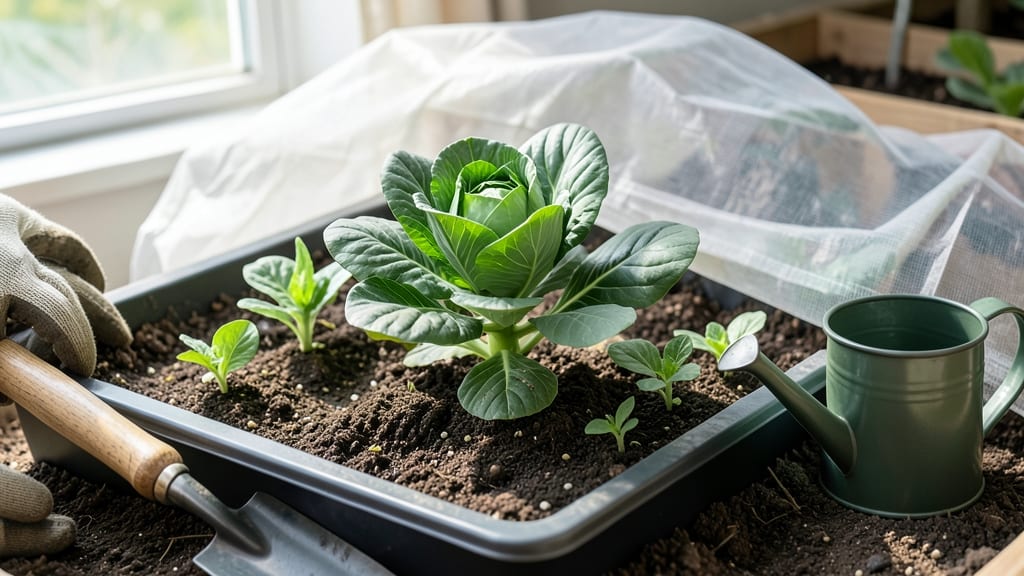
If you’ve ever planted 🥬 cabbage in Zone 8a only to watch it bolt into bitter flowers before harvest, you’re not alone—and the fix is simpler than you think.
The key to crisp, sweet heads lies in timing your plantings around the region’s tricky frost windows and heat spikes, not just the calendar.
Zone 8a’s mild winters and warm springs create a sweet spot for two planting windows: late summer to early fall for a winter harvest, and late winter to early spring for a spring bounty.
But get it wrong, and you’ll end up with tough, pithy cabbage—or worse, a garden full of flowering stalks. I’ll show you exactly when to plant for zero bolt risk, plus how to stretch your harvest season with smart scheduling.
Most gardeners in 8a focus only on spring planting, but fall crops can be just as rewarding—if you know the critical deadlines for avoiding heat stress.
Whether you’re a beginner or a seasoned gardener, these insights will help you grow cabbage that’s tender, flavorful, and ready to harvest at its peak.
Ready to ditch the guesswork? Let’s break down the best months to plant, how to protect your cabbage from bolting, and even how to sneak in a second harvest using simple tricks. Your next cabbage crop could be the easiest—and most delicious—yet.
Optimal cabbage planting timeline for Zone 8a to avoid bolting
In Zone 8a, where temperatures can swing from 90°F summers to 30°F winters, timing your cabbage planting is everything. The key is avoiding heat stress (which triggers bolting) while ensuring enough cool growing days (50–60°F) for head formation.
My strategy? Plant in two distinct windows: late summer for fall harvests and early spring for summer crops.
For fall cabbage, aim to sow seeds or transplant 4–6 weeks before your first frost (typically mid-October in Zone 8a). This gives plants enough time to mature before winter sets in.
Meanwhile, spring plantings should happen 6–8 weeks before your last frost (around mid-February). This timing ensures heads form before summer heat arrives and causes bolting.
Here’s the month-by-month breakdown to keep your cabbage happy and bolting-free:
| Stage | Action | Notes |
|---|---|---|
| Late August | Direct sow or transplant | For fall harvest; use heat-tolerant varieties like 'Golden Acre' |
| Mid-September | Transplant seedlings | Avoid small seedlings; use 4–6 week old starts |
| October | Thin to 12–18 inches apart | Prevents crowding stress and bolting |
| Late February | Start seeds indoors | Transplant after last frost (mid-March) |
| March–April | Direct sow or transplant | Use shade cloth if temps exceed 80°F |
| May | Harvest spring crop | Remove spent plants to prevent pests |
Pro tip: Soil temperature matters just as much as air temperature. Cabbage thrives in 50–65°F soil. Use a soil thermometer to check before planting—if it’s above 70°F, wait or use shade cloth. I’ve had bolting disasters when I ignored this rule!
For direct sowing, scatter seeds ¼ inch deep and keep soil moist until germination (5–10 days). If you’re transplanting, harden off seedlings for 7–10 days before moving them outdoors. This gradual adjustment prevents shock and bolting.
Zone 8a’s microclimates can vary wildly—coastal areas stay milder, while inland spots heat up faster. If you’re near the coast, you might push fall plantings into early October. Inland gardeners? Stick to mid-September to avoid heat stress.
One more trick: Mulch heavily with straw or leaves to keep roots cool. I’ve seen 10°F temperature drops at soil level with proper mulching, which can mean the difference between a perfect head and a bolted mess.
Finally, variety selection is critical. Heat-tolerant types like 'Cavalo' or 'Red Express' handle Zone 8a’s summers better than standard green cabbage. For fall, I swear by 'Golden Acre'—it’s my go-to for bolting-free harvests.
Optimal cabbage planting timeline for Zone 8a to avoid bolting
Zone 8a’s mild winters and warm springs create two ideal windows for planting cabbage: one in late summer for winter harvests, and another in late winter for spring crops. The key is avoiding heat stress, which triggers bolting—the enemy of tender cabbage.
For fall crops, aim to plant 4-6 weeks before your first frost (around mid-August to early September), while spring plantings should go in 6-8 weeks before your last frost (typically late February to early March).
Direct sowing in late summer (August) gives seedlings time to mature before cooler weather sets in, while transplanting in early spring (March) avoids the heat spikes of April.
Both methods work, but transplants give you a head start—literally! Just be sure to harden off seedlings for 7-10 days before moving them outdoors to prevent shock.
Here’s a quick reference for your planting schedule, including critical deadlines to avoid bolting:
| Planting Window | Action | Notes |
|---|---|---|
| Late Summer (August) | Direct sow seeds | Harvest before winter frost |
| Early Fall (September) | Transplant seedlings | Avoid heat stress; use shade cloth if needed |
| Late Winter (February) | Transplant hardened-off seedlings | 6-8 weeks before last frost |
| Early Spring (March) | Direct sow or transplant | Choose heat-tolerant varieties like 'Golden Acre' |
Microclimates in Zone 8a can shift planting deadlines by 2-3 weeks, so monitor your local frost dates. Coastal areas may have earlier fall plantings, while inland spots might need to push back to late September to avoid heat stress.
Always check your last frost date (usually mid-January in 8a) and work backward from there.
Pro tip: If your summer heat stretches into June or July, skip planting then entirely—cabbage hates temperatures above 80°F. Instead, focus on fall or spring plantings for the best results.
Varieties like 'Red Express' or 'Winterbor' handle cooler temps well, while 'Golden Acre' tolerates mild heat better than most.
Once you’ve planted, mulch heavily with straw or grass clippings to keep soil temps stable and moisture levels high. This simple step can mean the difference between a crisp, sweet head and a bitter, bolted disappointment. 🥬