
Plants
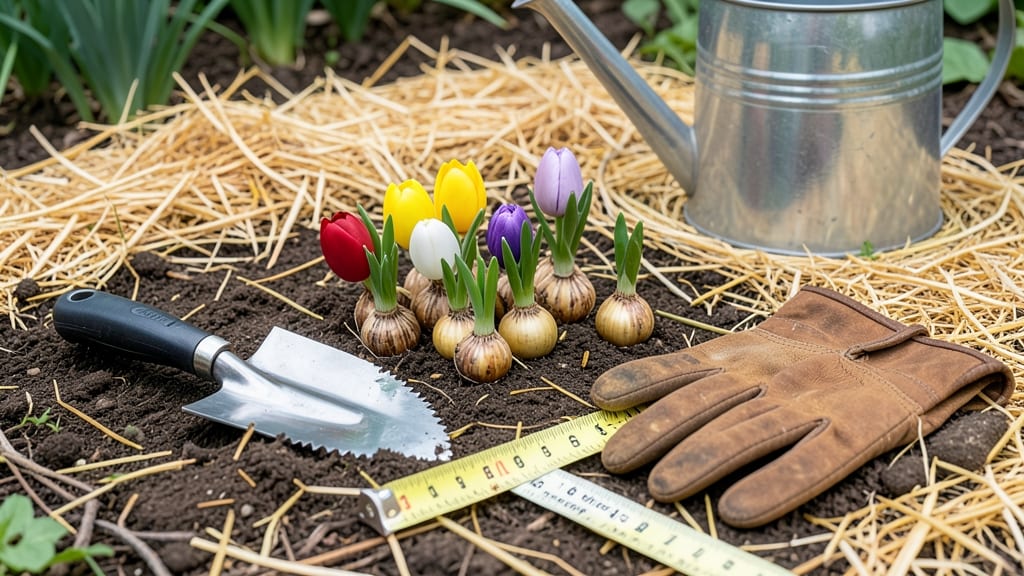
Planting bulbs in Colorado isn’t just about picking a month—it’s about understanding your microclimate. Whether you’re in the 5a chill of northern Colorado or the slightly milder 7a of the Front Range, timing matters more than you’d think. Get it wrong, and your 🌷 daffodils might freeze before they even sprout, or your tulips could bolt too early, leaving you with a sad, half-bloomed show.
Here’s the secret: most gardeners plant bulbs in October or November for spring blooms, but Colorado’s elevation shifts those dates dramatically. At 7,500 feet, you might need to plant in September to avoid early freezes, while lower elevations can wait until late November.
And if you’re dreaming of summer-blooming bulbs like gladiolas, late winter (February-March) is your window.
I’ll break down exactly when to plant in your specific zone, how to prep soil for Colorado’s dry conditions, and which bulbs handle our unpredictable springs best. No more guessing—just microclimate-smart planting that guarantees those vibrant blooms you’re craving.
Ready to turn your garden into a spring (or summer) explosion of color? Let’s get those bulbs in the ground at the perfect moment—before Colorado’s weather decides to throw another curveball.
Colorado’s 3 elevation zones & their ideal bulb planting windows
Colorado’s three distinct elevation zones create wildly different planting schedules—what works in Denver (5,280 ft) might fail in Fort Collins (5,000 ft) or Aspen (7,900 ft). The key? Timing bulbs for 6–8 weeks before frost in your specific zone.
Let’s break it down by elevation, hardiness zone, and bulb type to ensure your tulips, daffodils, and alliums bloom reliably.
Most Colorado gardeners focus on fall-planted bulbs for spring blooms, but high-altitude gardens (7,500+ ft) often need earlier planting due to shorter growing seasons. Meanwhile, southern Colorado (zones 6–7) can sometimes plant into early December without risk.
The rule of thumb? Plant when soil temps hit 60°F and stay below 50°F overnight—this window shifts by 2–4 weeks between zones.
Here’s your elevation-specific planting calendar, including cold-hardy alternatives like crocuses and Siberian squill that thrive where traditional tulips might fail:
| Zone/Elevation | Planting Window | Classic Bulbs | Cold-Hardy Alternatives | Key Tip |
|---|---|---|---|---|
| Lowlands (3,000–5,000 ft) Zones 6–7 (e.g., Colorado Springs, Pueblo) |
Mid-October–November 15 | Tulips, Daffodils, Hyacinths | Grape Hyacinths, Snowdrops | Soil stays workable 2–3 weeks longer than high country. |
| Mid-Elevation (5,000–7,500 ft) Zones 5–6 (e.g., Denver, Boulder, Fort Collins) |
September 20–October 31 | Alliums, Crocuses, Fritillaries | Siberian Squill, Starflower | Prioritize early bloomers like crocuses—they handle shorter seasons. |
| High Country (7,500+ ft) Zones 4–5 (e.g., Aspen, Leadville, Steamboat) |
August 15–September 30 | Daffodils, Snow Crops, Siberian Tulips | Alpine Squill, Pasque Flowers | Plant shallow (4–5 inches deep) to prevent frost heave. |
Notice how high-altitude gardens shift planting to late summer? That’s because soil freezes earlier and snow cover can delay spring emergence. For example, Leadville (10,000 ft) might see its first frost by September 15, leaving only 6 weeks to plant bulbs before winter sets in.
If you’re in zone 6 or lower, prioritize daffodils and alliums—they’re deer-resistant and drought-tolerant, two critical traits in Colorado’s arid climate. Meanwhile, zone 7 gardeners can experiment with later-blooming tulips (like ‘Darwin Hybrid’ varieties) that thrive in warmer microclimates.
Pro tip: Use a soil thermometer to confirm 60°F soil temps before planting. In dry years, water bulbs deeply after planting to encourage root growth before dormancy. Mulch with straw (not leaves) to insulate bulbs and prevent frost heave—a common issue in Colorado’s freeze-thaw cycles.
For spring-planted bulbs (like caladiums or cannas), wait until after the last frost—typically May 15 in northern CO to April 15 in southern CO. These summer-blooming bulbs need warm soil to germinate, so don’t rush them into cold ground.
One mistake I see often? Planting tulips too deep in high country. Aim for 6 inches deep in lowlands but only 4 inches above 7,000 ft. The extra depth in lower elevations helps bulbs survive drought stress, while shallower planting in the mountains prevents frost damage.
🌷
How to adjust planting dates for Colorado’s unpredictable springs
Colorado’s springs are famous for their whiplash—one day it’s 60°F and sunny, the next, a 20°F frost warning. This unpredictability throws off bulb planting schedules, especially for varieties like hyacinths or crocuses that need precise soil temperatures to sprout.
The key? Adjusting your planting window based on soil temperature, not just air temperature, and using mulching tricks to protect emerging shoots.
Most gardeners aim to plant bulbs 6–8 weeks before the ground freezes, but Colorado’s late frosts (sometimes as late as May in the mountains) mean you can’t rely on calendar dates alone.
For example, if your soil stays above 40°F until late November, you might push planting to mid-December for hardy bulbs like alliums. Conversely, if your soil freezes by October 15, you’ll need to plant by September 1.
Here’s how to fine-tune your timing for Colorado’s unpredictable springs:
Pro tip: If you’re in Zone 5a (northern CO), err on the earlier side—plant by September 15 for classic bulbs. In Zone 7a (southern CO), you can stretch planting to mid-November.
Always check your local frost dates (CSU Extension is a great resource) to avoid frozen bulbs or premature sprouting.
Remember, Colorado’s dry climate means bulbs need deep watering after planting to encourage root growth before the ground freezes. A deep soak (1–1.5 inches) right after planting mimics natural rainfall and sets them up for success.
With these adjustments, your bulbs will bloom reliably, no matter how wild Colorado’s weather gets.