
Plants
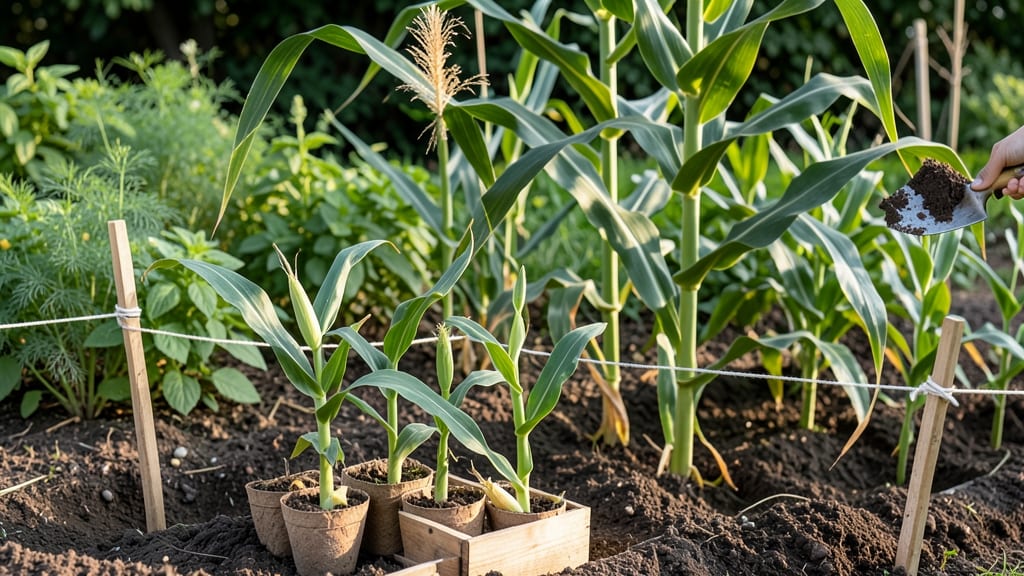
Timing your 🌽 corn planting in Seattle wrong could mean the difference between a bumper crop and a sad, frost-nipped failure—especially when cool, wet springs throw off your best-laid plans.
Unlike warmer climates, Seattle’s USDA Zone 8a demands precision, with last-frost dates hovering around mid-April but unpredictable coastal shifts that can push back planting by weeks.
You’ve probably heard the general rule: plant corn after the last frost. But in Seattle, where soil stays cold longer and rain delays warming, that advice falls short. The key is waiting until soil temperatures hit a steady 60°F—usually mid-April to early May—while also accounting for your microclimate.
Urban heat islands might give you a head start, while rural areas play catch-up.
Here’s the game-changer: direct-sowing too early risks stunted growth, but waiting too long cuts your harvest window short. I’ll break down exactly when to plant for your specific corner of Seattle—whether you’re in a sun-drenched neighborhood or a cooler, rain-shadowed pocket—and how to stretch your growing season with smart tricks.
By the end, you’ll know the perfect window to get your corn in the ground, plus how to track soil temps and adjust for Seattle’s quirks. No more guessing—just sweet, plump ears by late summer.
Seattle corn planting calendar: frost-free dates by microclimate zone
Seattle’s microclimates create a patchwork of planting opportunities—urban areas stay cooler longer, while rural zones warm up faster. Understanding these variations is key to avoiding frost damage and maximizing your corn harvest.
Most Seattle gardens fall into USDA Zone 8a, but coastal areas near Puget Sound can experience 10-14 days later frost than inland spots like Redmond.
For direct sowing, aim for mid-April to early May when soil temperatures consistently reach 60°F+. In urban heat islands (like downtown), you might start 2 weeks earlier, while coastal gardens should wait until late May to avoid chilly soils.
Transplanting seedlings bought from nurseries gives you a 2-week buffer but requires careful hardening-off.
Here’s how Seattle’s three main microclimates affect your planting timeline:
| Microclimate | Last Frost Avg. | Ideal Planting Window | Soil Prep Tip |
|---|---|---|---|
| Urban (Downtown, Ballard) | April 15 | Late March–April 15 | Use black plastic mulch to warm soil |
| Suburban (Bellevue, Kirkland) | April 22 | April 1–May 1 | Test soil pH (6.0–7.0) and amend with compost |
| Coastal (West Seattle, Bainbridge) | May 5 | May 1–15 | Choose cold-tolerant varieties like ‘Early Sunglow’ |
| Rural (Redmond, Carnation) | April 10 | Late March–April 10 | Plant near windbreaks to protect young plants |
If you’re direct sowing, plant 1–1.5 inches deep in rows 2–3 feet apart to give corn’s broad leaves room to capture sunlight. For transplants, space them 12 inches apart in rows 3 feet apart.
Seattle’s short growing season (about 180 frost-free days) means you’ll want fast-maturing varieties (60–75 days to harvest) to avoid late-summer frosts.
Pro tip: Use a soil thermometer to confirm 60°F+ before planting—cold soils delay germination and invite rot. If your soil is still chilly in early April, try starter fertilizers or row covers to jumpstart growth.
Just remember, corn is not frost-tolerant, so plan for a harvest by late August to beat the first autumn frosts.
For succession planting, stagger seeds every 2 weeks from April to June to enjoy continuous harvests. This works especially well for bush corn varieties, which mature faster than traditional types. Pair your planting schedule with a NOAA frost alert subscription to stay ahead of late-season surprises.
One common mistake in Seattle is planting too early and watching corn bolt (send up a tall stalk) before producing ears. This happens when days get longer and cooler—so stick to short-day varieties like ‘Silver Queen’ or ‘Peaches and Cream’ for reliable results.
With the right timing, you’ll go from tiny seeds to golden ears in just 3 months!
🌽
How to adjust corn planting dates for Seattle’s unpredictable weather
Seattle’s coastal and inland microclimates throw a wrench into corn planting schedules. While the average last frost date is March 15, urban areas like Ballard can experience frost weeks later, while rural areas near Snoqualmie may warm up faster.
I’ve learned to adjust my planting strategy based on real-time conditions rather than relying on averages.
One of my go-to tactics is using black plastic mulch to warm the soil. Lay it down 2-3 weeks before planting to raise soil temperatures by 5-10°F. This gives me a 2-3 week head start on the season, which is critical for corn’s 60°F minimum soil temp requirement.
I’ve even seen gardeners use row covers for early plantings to protect tender seedlings.
For maximum flexibility, I plant in succession batches every 10-14 days from mid-April to early June. This staggered approach ensures a continuous harvest window and reduces the risk of losing an entire crop to an unexpected late frost.
The first batch goes in when soil hits 60°F, and subsequent batches follow if the weather cooperates.
🌱
- 🌡️ Test soil temps with a soil thermometer—plant only when it hits 60°F+ for 5+ days.
- 🔥 Use black plastic mulch 2-3 weeks pre-planting to warm soil by 5-10°F.
- 🌱 Choose fast-maturing varieties (60-75 days) like 'Early Sunglow' or 'Silver Queen'.
- 📅 Plant in succession every 10-14 days from April 15-June 1 for staggered harvests.
- 📱 Monitor NOAA alerts for frost warnings and cover plants with frost cloth if needed.
I also rely on NOAA frost alerts to fine-tune my schedule. Signing up for local weather notifications gives me a 48-hour heads-up before frost arrives, allowing me to protect seedlings with row covers or even move potted starts indoors temporarily.
Last year, a May frost hit my garden, but my succession batch planted in late May survived because the plants were already 12 inches tall.
For gardeners in cooler microclimates like North Seattle, I recommend starting seeds indoors under grow lights 4-6 weeks before the last frost. Transplant seedlings when they’re 6-8 inches tall and soil temps are stable.
This gives you a 2-week advantage over direct sowing and reduces frost risk for young plants.
Finally, I’ve found that elevated beds warm up faster than ground soil, giving me an extra 1-2 weeks of growing time. Filling beds with compost-rich soil also improves drainage and fertility, which helps corn recover from cool snaps.
The key is adaptability—what works in South Seattle might fail in Everett, so I always adjust my approach based on my specific microclimate.
By combining these strategies, I’ve successfully grown corn in Seattle for three consecutive summers, even in years with late frosts. The secret isn’t just timing—it’s layering multiple protective measures to give your corn the best shot at success. 🌽