
Planting
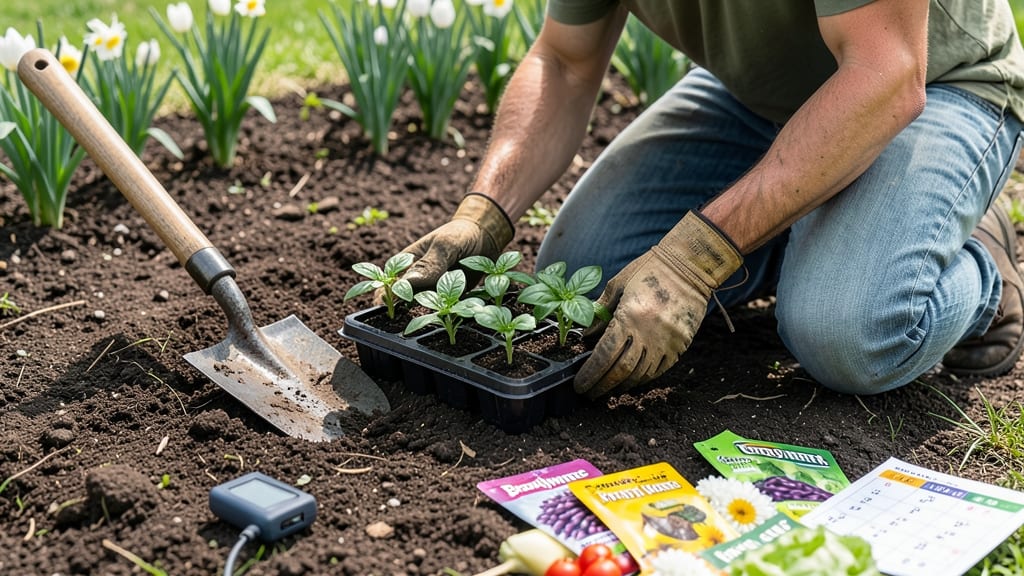
Planting a garden in Ohio isn’t just about grabbing seeds and digging in—it’s about mastering the timing to beat unpredictable frost and maximize your harvest. Ohio’s USDA Zones 5b-7a demand precision, where a single late frost can turn eager seedlings into sad, wilted memories.
Most gardeners in Ohio wait until after the average last frost date—typically mid-April in the north and early April in the south—but that’s just the start. The real key? Understanding how soil temperature, microclimates, and even urban heat islands shift your planting window by weeks.
In this guide, I’ll break down the exact month-by-month schedule for vegetables, flowers, and perennials, so you can plant with confidence. Whether you’re a first-timer or a seasoned gardener, these zone-specific tips will help you avoid common mistakes and get the most out of Ohio’s growing season.
Ready to turn your backyard into a thriving garden? Let’s dive into the science—and secrets—behind planting just right for Ohio’s climate.
Ohio planting calendar by USDA Hardiness Zones (5b-6b)
Ohio spans USDA Hardiness Zones 5b through 6b, meaning our last spring frost can arrive anywhere from early April (Zone 6b) to mid-April (Zone 5b). This two-week window creates a critical difference for your cool-season crops like lettuce and warm-season favorites such as tomatoes.
Ignoring these zones risks frost damage or stunted growth.
To simplify, I’ve broken down planting windows by crop type and zone-specific timing. Cool-season plants (e.g., peas, spinach) thrive when soil temps hit 40°F, while warm-season plants (tomatoes, peppers) need 60°F+ soil.
Ohio’s clay-heavy soils also mean waiting for workable consistency—usually late April to early May.
Here’s how to align your planting with Ohio’s frost-free windows and crop-specific needs:
| CROP TYPE | ZONE 6B (SOUTHERN OHIO) | ZONE 5B (NORTHERN OHIO) | SOIL TEMP REQUIREMENT | NOTES |
|---|---|---|---|---|
| Cool-Season Veggies (lettuce, spinach, peas) | March 15 – April 15 | April 1 – April 30 | 40–50°F | Direct sow after last frost. Use row covers for late springs. |
| Warm-Season Veggies (tomatoes, peppers, cucumbers) | April 20 – May 10 | May 1 – May 15 | 60°F+ | Start indoors 6–8 weeks before last frost. Transplant after soil warms. |
| Perennials (daylilies, coneflowers) | April 1 – May 15 | April 15 – May 30 | 50°F+ | Plant after soil thaws. Mulch to retain moisture. |
| Heat-Tolerant Crops (okra, sweet potatoes, Malabar spinach) | May 15 – June 1 | May 30 – June 15 | 70°F+ | Ideal for late Ohio summers. Plant after all frost risk passes. |
| Fall Crops (kale, radishes, carrots) | July 15 – August 15 | July 30 – August 30 | 50–60°F | Sow 8–10 weeks before first frost (avg. Oct 15–Nov 1). |
For Zone 6b gardeners in southern Ohio, you can push cool-season crops as early as mid-March under row covers, but northern Zone 5b gardeners should wait until early April to avoid frost damage.
My rule of thumb? Wait until nighttime temps stay above 50°F for 5 consecutive days before planting heat-loving crops.
Ohio’s microclimates also play a role. Urban areas like Columbus or Cincinnati may experience 2–3°F warmer soil temps than rural Appalachian regions. To check your local frost dates, use the Old Farmer’s Almanac or your local Cooperative Extension Service.
Pro tip: Plant fast-growing radishes as a frost indicator—if they thrive, your tomatoes are safe to follow!
Don’t overlook succession planting for bush beans or zucchini. In Ohio’s short season, I plant every 2 weeks from May to July to ensure a continuous harvest.
For example, bush beans take 50–60 days to mature, so my last planting goes in by July 1 to harvest before frost.
If you’re new to Ohio gardening, start with cold-hardy crops like kale or Swiss chard. These tolerate light frosts and give you flexibility if spring arrives late. I’ve had Swiss chard survive 28°F temps with minimal damage—perfect for Zone 5b’s unpredictable springs.
For container gardening, warm up soil faster by placing pots on black plastic mulch or using heat mats. This lets you plant peppers or eggplants 2–3 weeks earlier than in-ground gardens. Just ensure containers have drainage holes to prevent root rot
How to extend Ohio’s short growing season without risking frost
Ohio’s short growing season and unpredictable late frosts can feel like a gardener’s worst nightmare. But with the right strategies, you can extend your harvest and protect tender plants from frost damage. Whether you’re growing cool-season veggies like lettuce or heat-lovers like tomatoes, these techniques will help you beat the clock and enjoy fresh produce longer. The key is combining season-extending tools with smart planting schedules. For example, cold frames can add 4-6 weeks to your growing season, while row covers protect plants from light frosts down to 25°F. Pair these with succession planting, and you’ll have a steady supply of fresh vegetables from spring to fall.Cold frames are like mini greenhouses for your garden. They trap heat during the day and release it slowly at night, keeping soil temperatures 10-15°F warmer than outside.
This is perfect for early spring starts like spinach or radishes, which can be planted 4-6 weeks before the last frost date. Just be sure to ventilate on warm days to prevent overheating.
Row covers (also called frost blankets) are lightweight fabrics that sit directly over plants. They’re ideal for protecting delicate seedlings like cucumbers or squash from light frosts. You can even use them to stagger plantings—planting every 2 weeks under cover ensures a continuous harvest.
Just remove them during the day when temperatures rise above 50°F to prevent heat stress.
🌱 Proven Ways to Extend Ohio’s Growing Season
- 📅 Succession Planting: Sow fast-growing crops like bush beans or lettuce every 2 weeks from early spring to mid-summer for a continuous harvest.
- 🌡️ Heat-Tolerant Varieties: Choose okra, Malabar spinach, or sweet potatoes for summer planting—they thrive in Ohio’s hot, humid summers when other plants wilt.
- 🛡️ Low Tunnels: Use hoop houses covered with plastic sheeting to create a mini greenhouse over rows. They’re cheaper than cold frames and can add 6-8 weeks to your season.
- 🌿 Mulching: Apply straw or shredded leaves to retain soil moisture and moderate temperatures. This keeps roots 5-10°F warmer at night, protecting plants from light frosts.
- 🌱 Container Gardening: Move potted plants like tomatoes or peppers to warmer microclimates (e.g., near south-facing walls) or indoors during cold snaps.
Don’t overlook succession planting—it’s one of the easiest ways to maximize your harvest. Instead of planting everything at once, stagger your seed sowing every 2-3 weeks. This works especially well for leafy greens like kale or arugula, which bolt (go to seed) quickly in Ohio’s heat.
For example, plant one row of lettuce in early April, another in mid-May, and a final row in early June to enjoy fresh leaves all season.
If you’re dealing with late spring frosts (which Ohio is famous for), heat-tolerant varieties are your best friend. Crops like southern peas, sweet corn, and black-eyed peas can handle Ohio’s hot, humid summers when other plants struggle.
Pair them with shade cloth during the hottest afternoons to prevent wilting. For fall planting, focus on cool-season crops like broccoli or carrots—they’ll thrive in Ohio’s milder autumn temperatures before the first frost hits.
Finally, keep an eye on your local microclimate. Urban areas often warm up faster than rural spots, so you might be able to plant 1-2 weeks earlier in the city.
Use a soil thermometer to check when temperatures reach 50°F—this is your green light for planting cool-season crops. And always have row covers or a space blanket on hand for those unexpected cold snaps that Ohio loves to throw at you.
With these strategies, you’ll turn Ohio’s short growing season into a bountiful harvest. Start small, experiment with a few techniques, and soon you’ll be enjoying fresh veggies from spring to fall—no frost damage in sight! 🌿