
Planting
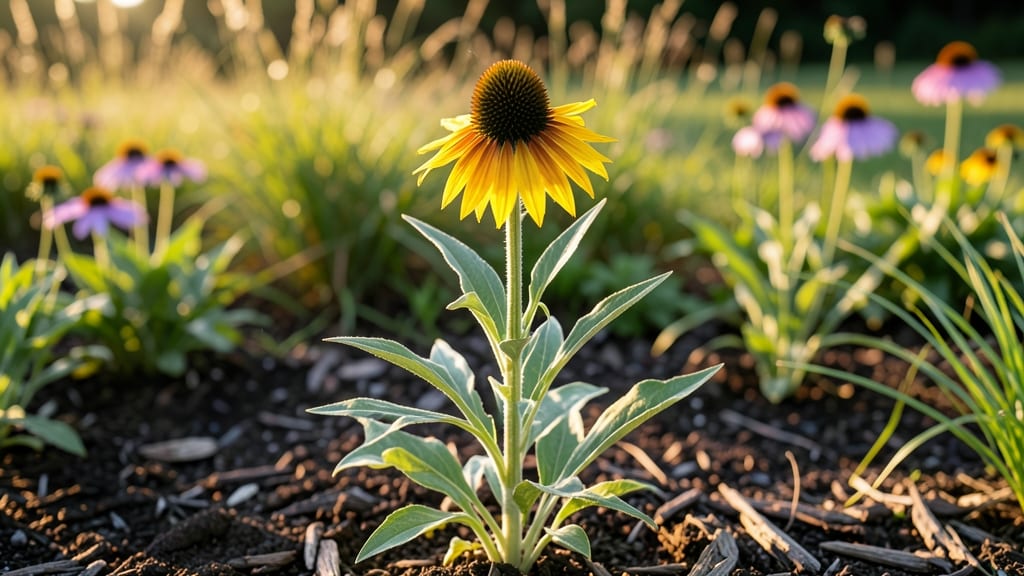
Timing your garden planting in Nebraska wrong could mean the difference between a bountiful harvest and a sad pile of frozen seedlings. The last frost dates here vary wildly—from early May in the Southeast to late May in the Panhandle—so getting it right is the key to success.
I’ve spent years watching Nebraska’s unpredictable weather patterns, and I know how frustrating it can be to watch your hard work melt away with an unexpected freeze. Whether you’re growing tomatoes, corn, or vibrant flowers, planting at the wrong time means wasted effort and missed opportunities.
Let’s break down exactly when to plant your garden in Nebraska so you can avoid those common mistakes.
You don’t need to be a weather expert to get this right—just a few simple rules and county-specific deadlines. We’ll cover everything from soil temperature checks to adjusting for microclimates, so your garden thrives all season long. Ready to turn your green thumb into a Nebraska-growing masterpiece?
From the sandy soils of the Panhandle to the clay-heavy regions in the East, Nebraska’s growing zones demand different strategies. By the end of this guide, you’ll know exactly when to start seeds indoors, when to direct-sow, and how to stretch your planting window with row covers.
Let’s get your garden growing on the right schedule!
Nebraska’s last frost dates by county: critical planting windows explained
Nebraska’s last frost dates vary dramatically across its 100+ counties, from the Panhandle’s early April to Southeast Nebraska’s late May. These dates determine whether your tomatoes or peppers survive transplanting—or wilt overnight. Using county-specific averages (based on 30-year climate data) ensures your garden thrives, not just survives.
For warm-season crops like corn and beans, wait until two weeks after your county’s average last frost. Cool-season crops (spinach, peas) can handle light frosts, but delicate seedlings like lettuce need consistent warmth.
Nebraska’s USDA Plant Hardiness Zones 4a-6b further refine timing—Zone 4a (Panhandle) needs earlier starts than Zone 6b (Southeast).
Here’s how to use this data: Check your county’s last frost date, then count backward for seed-starting indoors (6-8 weeks before) or direct sowing (1-2 weeks after).
For example, Lincoln’s average last frost is May 5—plant heat-loving tomatoes by May 20 or use row covers to extend the season.
| Region | Avg. Last Frost | USDA Zone | Warm-Season Start | Cool-Season End |
|---|---|---|---|---|
| Panhandle (e.g., Scottsbluff) | April 15 | Zone 4a-5a | May 1 | September 15 |
| Northwest (e.g., Sidney) | April 25 | Zone 4b-5a | May 10 | September 20 |
| Central (e.g., Lincoln) | May 5 | Zone 5b-6a | May 20 | October 5 |
| Southeast (e.g., Omaha) | May 10 | Zone 5b-6b | May 25 | October 10 |
| Northeast (e.g., Norfolk) | May 1 | Zone 5a-5b | May 15 | September 30 |
🌱 Note: Adjust dates 1-2 weeks earlier for sandy soils (warms faster) or later for clay-heavy areas.
Pro tip: Use the National Weather Service’s Frost Calculator for your exact location. Input your elevation and microclimate (e.g., urban vs. rural) to get a personalized frost-free date. For example, Omaha’s downtown may frost 3-5 days later than its suburbs due to the urban heat island effect.
For cool-season crops, start seeds indoors 4-6 weeks before your county’s average first frost (typically October 10–November 15). Spinach and kale tolerate light frosts, while broccoli needs consistent 50°F soil temps.
In Zone 4a, extend the season with cold frames or row covers to protect late fall harvests.
Remember: Soil temperature matters more than air temperature. Use a soil thermometer—most warm-season crops need 60°F+ soil to germinate. In Western Nebraska, sandy soils hit this threshold by mid-April, while Eastern Nebraska’s clay may not warm until late May.
Plan ahead for succession planting: Sow bush beans every 2 weeks from May to July to ensure a steady harvest. In Southeast Nebraska, you can even plant fall lettuce
How to adjust planting for Nebraska’s microclimates and soil conditions
Nebraska’s diverse geography means your planting timeline should change depending on where you live. In the Panhandle, sandy soils warm up faster, while Eastern Nebraska’s clay-heavy ground stays cold longer.
Even within cities like Omaha and Lincoln, urban heat islands can create microclimates where frost arrives 1-2 weeks later than rural areas.
I’ve seen gardeners in Scotts Bluff County plant tomatoes weeks too early because they assumed their soil was ready, only to lose their seedlings to late frosts. Meanwhile, in Douglas County, gardeners often wait too long, missing the ideal window for cool-season crops like peas and spinach.
The key is adapting your strategy to your specific growing zone.
Soil temperature is your best friend when timing plantings. Use a soil thermometer to check for 50°F for cool-season crops and 60°F for warm-season plants like tomatoes and peppers.
In Nebraska, these temperatures typically align with mid-April to early May in the Southeast and late April to mid-May in the Panhandle.
🌱 Nebraska Microclimate Planting Adjustments
Warms quickly → Plant warm-season crops 2 weeks earlier than Eastern NE
Holds cold → Wait until soil reaches 60°F consistently for tomatoes
Last frost 1-2 weeks later than rural areas → Extend planting window
Frost pockets → Monitor local forecasts and use row covers for protection
For sandy soils in the Panhandle, I recommend starting warm-season crops like squash and cucumbers indoors by mid-March so they’re ready for early planting. In contrast, clay-heavy soils in counties like Lancaster or Saunders may not be workable until mid-May, so adjust your seed-starting schedule accordingly.
Don’t overlook the power of mulching—it can warm cold soils faster in spring. Use black plastic mulch for early warm-season plantings in cooler regions, or straw mulch to retain moisture in sandy areas.
I’ve seen gardeners in Garden County add mulch in early April and still plant tomatoes by May 1st without frost damage.
If you’re unsure about your local microclimate, check with your county extension office for hyper-local advice. They often track soil temperatures and can recommend cold-hardy varieties like ‘Early Girl’ tomatoes or ‘Sugar Snap’ peas that tolerate Nebraska’s variable conditions.
With these adjustments, you’ll maximize your growing season and avoid the heartbreak of lost seedlings.