
Plants
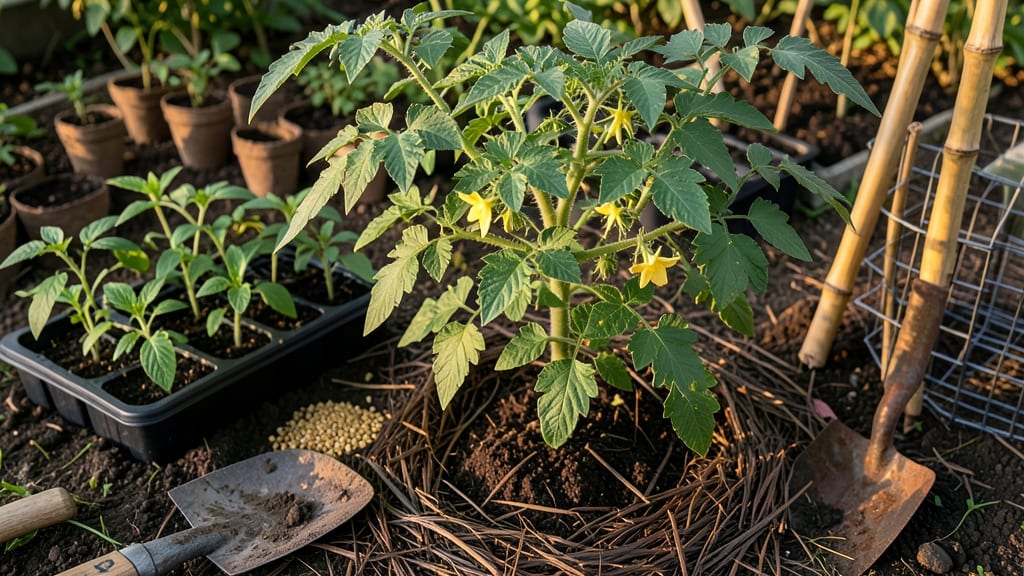
Planting tomatoes in Kansas isn't just about grabbing seeds and sticking them in the dirt—it's a delicate dance with the state's unpredictable weather. One wrong move, and you could end up with frost-nipped seedlings or heat-stressed plants before they even fruit. But get it right, and you'll be feasting on homegrown 🍅 from July through October.
Kansas gardeners in USDA Zones 5b-7a face unique challenges, from late spring frosts to scorching summer heat. The key isn't just knowing when to plant—it's understanding how to work with your local microclimate.
Whether you're in Wichita's hotter plains or Kansas City's slightly cooler hills, timing your tomatoes correctly means the difference between a bountiful harvest and a disappointing one.
I'll walk you through the exact windows for both direct sowing and transplanting, plus how to extend your growing season with simple tricks. You'll learn when to start seeds indoors, how to protect young plants from unexpected cold snaps, and which varieties handle Kansas summers best.
No more guessing—just a clear, foolproof schedule tailored to your zone.
Ready to grow tomatoes that thrive despite Kansas' quirks? Let's dive into the perfect planting strategy so you can enjoy fresh, vine-ripened tomatoes all season long—without the stress.
Optimal Kansas tomato planting dates by USDA Zone (5-7)
Kansas spans USDA Zones 5b through 7a, meaning your planting window depends on whether you're in the cooler northeast corner near Atchison or the warmer southwest near Garden City.
The key factor? Last frost dates, which typically range from mid-April in Zone 5b to early April in Zone 7a. For most Kansas gardeners, this means planting tomatoes between April 20 and May 15.
But here’s the catch: Soil temperature matters more than air temperature. Tomatoes need soil that’s at least 60°F (15°C)—cold soil stunts root growth.
In Kansas, this usually aligns with late April to early May, but Zone 5b areas (like Hays) may need to wait until mid-May for safety. Always check your local Kansas State University Extension frost maps before planting.
For seed-starting indoors, begin 6-8 weeks before your last frost date. That means mid-February to early March for most of Kansas. Seedlings should be hardened off (acclimated to outdoor conditions) for 7-10 days before transplanting. Transplant outdoors only after nighttime temperatures stay above 50°F (10°C) consistently.
🌱 Pro Tip: Use a soil thermometer to confirm readiness—60°F+ soil is non-negotiable for healthy tomato roots.
🌱 Kansas Tomato Planting Schedule by Zone
| Zone | Last Frost Date | Ideal Transplant Window | Indoor Seed Start | Soil Temp Requirement |
|---|---|---|---|---|
| 5b (Northeast KS) | April 20–May 1 | May 10–20 | March 1–15 | ≥60°F |
| 6a (Central KS) | April 10–20 | April 25–May 10 | February 25–March 10 | ≥60°F |
| 7a (Southwest KS) | March 25–April 10 | April 10–20 | February 10–20 | ≥60°F |
Note: Adjust for microclimates—south-facing slopes warm faster than low-lying areas.
Regional variations matter in Kansas. For example, Wichita (Zone 7a) can plant 2 weeks earlier than Kansas City (Zone 6a). Check your local extension office for hyper-local advice. Even within cities, urban heat islands can push planting dates 3–5 days earlier in paved areas compared to rural fields.
If you’re direct-sowing seeds (not transplanting seedlings), wait until 2 weeks after your last frost date—this gives the soil time to warm. Seedlings are more frost-tolerant than seeds, so they can handle slightly earlier transplanting if hardened off properly.
For late varieties (like heirlooms with 85+ days to maturity), consider a June planting for a fall harvest.
🌡️ Watch for false springs: Kansas is famous for late frosts in April. If nighttime temps drop below 50°F (10°C), cover seedlings with frost cloth or a row cover. Even a light frost can kill young plants, so don’t rush—better late than sorry!
Succession planting is your secret weapon for a longer harvest. In Kansas, you can plant a second crop in early June for varieties with 50–60 days to maturity, like ‘Early Girl’ or ‘Stupice’. This ensures tomatoes when early varieties fade in August heat. Just be prepared to water more frequently in summer’s dry spells.
💡 Heat-tolerant tip: If your area hits 90°F+ (32°C) regularly, opt for determinate varieties (bush tomatoes) that ripen faster in high heat. Indeterminate types (vining tomatoes) can struggle with blossom drop when temps exceed 95°F (35°C).
How to extend your Kansas tomato growing season for bigger harvests
Kansas summers are hot, but our short growing season can cut harvests short. The key to bigger tomato yields is protecting your plants from late frosts and early heat stress. With the right techniques, you can push your harvest into October—or even later!
Start by hardening off seedlings 7-10 days before transplanting. This toughens young plants so they can handle Kansas’s fluctuating spring temps. Move seedlings outdoors gradually, exposing them to sun and wind for increasing durations each day.
For early plantings in April, use floating row covers to shield tender seedlings from unpredictable late frosts. These lightweight fabrics trap heat while allowing sunlight and water to pass through. Remove covers when daytime temps consistently stay above 70°F.
🌱 5 Proven Ways to Extend Your Kansas Tomato Season
- 📅 Succession Planting: Start new seedlings every 2-3 weeks from April to June for staggered harvests. Late plantings (June 1-15) often produce well into fall.
- ☀️ Cold Frames: Use low tunnels or hoop houses to create microclimates that stay 10-15°F warmer than ambient temps. Ideal for fall harvests when nights cool.
- 🌡️ Monitor Soil Temps: Tomatoes need soil at least 60°F to germinate. Use a soil thermometer—if temps drop below 55°F, delay planting or use black plastic mulch to warm soil.
- 🍅 Heat-Tolerant Varieties: Choose determinate types like 'Celebrity' or 'Mountain Merit' for early harvests, and indeterminate varieties like 'Solar Fire' for fall production.
- 💧 Drip Irrigation: Keep soil consistently moist during heatwaves. Drip systems deliver water directly to roots, reducing evaporation and fungal risks.
Don’t forget about mulching—apply straw or shredded leaves around plants to retain moisture and regulate soil temperature. This simple step can add 2-3 weeks to your harvest window by slowing soil cooling in fall.
For late-season protection, try low tunnels or cloches (mini greenhouses) over plants when nighttime temps dip below 55°F. These create a warmer microenvironment and can extend harvests until first frost—or even beyond!
Finally, prune suckers regularly to focus energy on fruit production. Remove lower leaves to improve air circulation, reducing disease risks. With these techniques, you’ll enjoy homegrown tomatoes from July through October—or longer! 🍅