
Plants
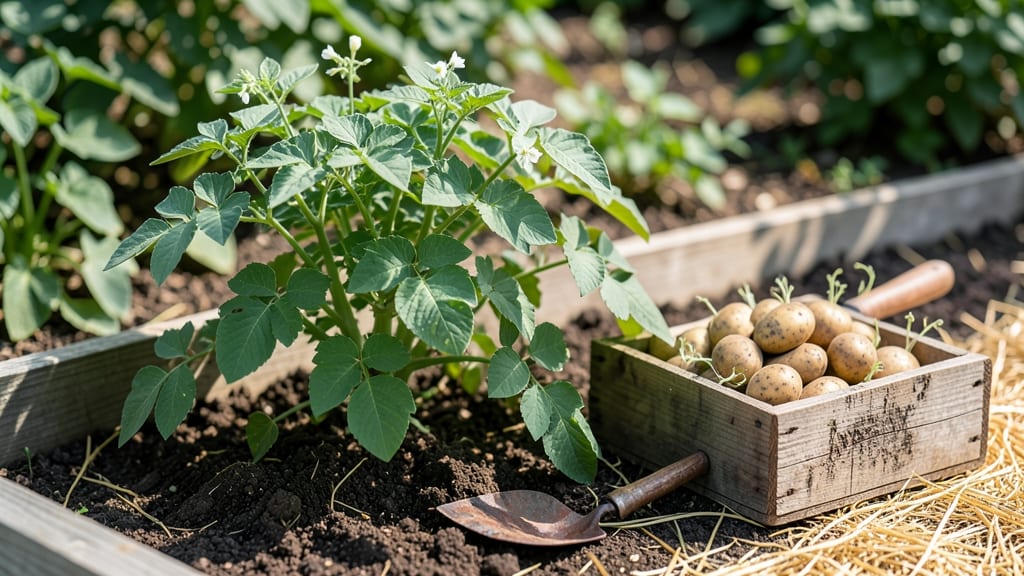
If you’ve ever wondered when can you plant potatoes in Georgia without risking frost or missing your harvest window, you’re not alone. Georgia’s unique climate—spanning from the cooler Blue Ridge Mountains to the warmer Coastal Plain—means the right timing can make or break your 🥔 crop.
The key to success lies in planting 2–4 weeks before your last frost date, typically between February and March for early varieties or April and May for later ones.
But here’s the catch: planting too soon can leave your tubers vulnerable to chilly soil, while waiting too long might cut your harvest short. Let’s break down the exact windows for your region and how to maximize your yield.
Whether you’re a first-time gardener or a seasoned pro, getting the timing right ensures faster growth and a bountiful harvest. I’ll share the best strategies for both early and late plantings, plus how to avoid common mistakes that Georgia gardeners often make.
Ready to dig in? By the end, you’ll know exactly when to plant for fast, healthy potatoes—no guesswork required.
Georgia’s last frost dates by region: when to plant potatoes for fast harvests
Georgia’s climate varies dramatically from the Blue Ridge Mountains to the Coastal Plain, meaning your last frost date could differ by weeks.
For most of the state, potatoes should be planted 2–4 weeks before your average last frost—typically between late February and early April—to ensure a 90–120 day harvest before summer heat sets in.
In North Georgia (USDA Zone 7a), like Blue Ridge or Dalton, frost lingers until mid-April. Aim to plant early varieties (60–90 days to harvest) by late February to early March to avoid frost damage.
Meanwhile, in South Georgia (Zone 8a–8b), like Savannah or Albany, frost rarely occurs after mid-March, giving you a longer window to plant.
Pro Tip: Use Almanac frost maps or local extension service data to pinpoint your exact last frost date. For example, Atlanta (Zone 7b) averages its last frost around March 15, so plant by February 28 for early varieties.
| Region | Last Frost Date | Planting Window | Best Varieties |
|---|---|---|---|
| North Georgia (Zone 7a) | Mid-April | Late Feb–Early Mar | ‘Yukon Gold’, ‘Red LaSoda’ |
| Central Georgia (Zone 7b) | Mid-March | Late Feb–Early Apr | ‘Kennebec’, ‘Russet’ |
| South Georgia (Zone 8a–8b) | Mid-March | Early Feb–Early Apr | ‘Sweet Potato’, ‘Red Pontiac’ |
If you’re in Zone 8b (Coastal Plain), like Savannah or Brunswick, you can even plant early varieties in January under row covers or in a warm microclimate. Just ensure soil temperatures reach 45°F+—cold soil slows sprouting and increases disease risk.
For late-season harvests, plant longer-maturing varieties (100+ days) in early April. These won’t be ready until late July or August, but they’re perfect for fall storage. Just avoid planting after April 15 in most zones—summer heat will stress the plants before harvest.
One critical rule: Wait until soil temperatures are consistently above 45°F. Use a soil thermometer to check—cold soil can stunt growth or attract pests like potato scab. In cooler zones, mulch with straw or black plastic to warm the soil faster.
For fastest harvests, prioritize early varieties like ‘Early Girl’ or ‘Kennebec’—they mature in 60–90 days, giving you a May–June harvest in most of Georgia. Late plantings (after April) should stick to heat-tolerant varieties like ‘Red LaSoda’ or ‘Sweet Potato’ to avoid blossom-end rot.
🌱
How to extend Georgia’s potato planting season: tips for early and late harvests
Georgia’s mild winters and long growing season let you push potato planting beyond the typical spring window. In the Coastal Plain, you can plant as early as late January under row covers, while North Georgia gardeners can extend into late April with cold-hardy varieties.
The secret? Soil temperature and protective strategies—never just the calendar date.
For early harvests, focus on fast-maturing varieties like ‘Red LaSoda’ (60 days) or ‘Yukon Gold’ (90 days). Plant these 2–3 weeks before your last frost and use black plastic mulch to warm the soil faster.
In Zone 8a (Savannah), this could mean planting by February 15 for a May harvest.
To extend into late spring, choose heat-tolerant varieties like ‘Kennebec’ or ‘Russet’ and plant after April 15. Mulch heavily with straw to retain moisture and prevent soil crusting. In Zone 7b (Atlanta), this lets you harvest through July—just avoid planting after May 1 in most regions.
🌱 Pro Tip: Stagger plantings every 2 weeks for a continuous harvest. For example, plant one batch in early March and another in mid-April to enjoy potatoes from May through July.
5 Ways to Extend Your Potato Planting Season
- 📅 Plant early: Use row covers in January–February (Coastal Plain) for 2–3 week earlier harvests.
- ☀️ Warm soil: Cover beds with black plastic 2 weeks before planting to raise soil temp to 45°F+.
- 🥔 Choose fast varieties: ‘Early Red’ (50 days) or ‘Silverton’ (70 days) for quick turns.
- 🌿 Mulch heavily: Straw or grass clippings keep soil moist and cool for late plantings.
- 🔄 Stagger plantings: Add new rows every 2 weeks for continuous harvests.
In humid areas like Savannah or Brunswick, watch for late blight when extending into summer. Opt for disease-resistant varieties like ‘Adirondack Red’ and avoid overhead watering. For North Georgia, prioritize soil drainage—potatoes rot in soggy spring soils.
💡 Remember: Even with extensions, plant no later than June in most of Georgia—summer heat stresses potatoes. Save late-season spots for fall crops like sweet potatoes or greens.