
Companion Plants
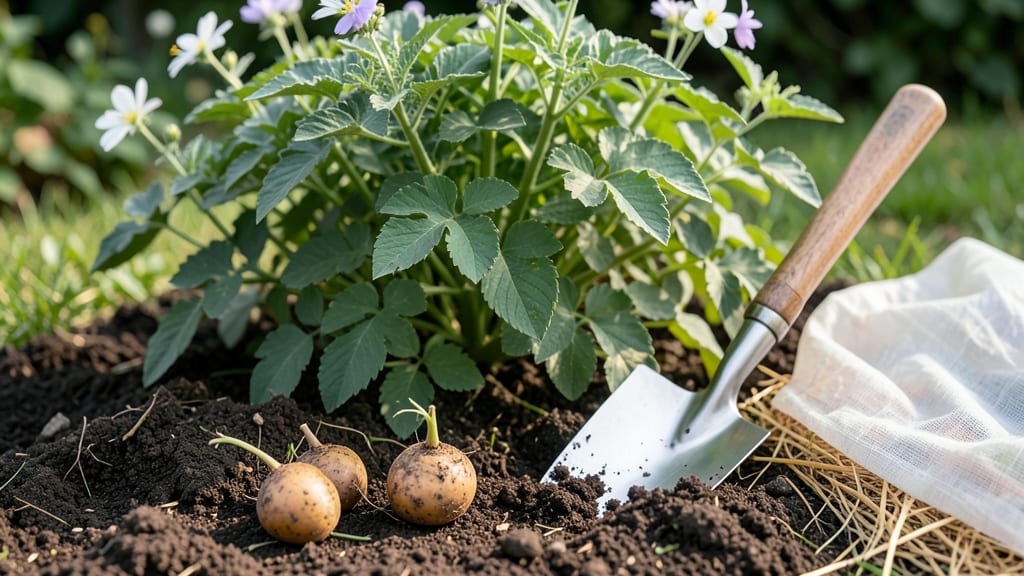
Knowing when to plant potatoes in Georgia can make the difference between a thriving harvest and wasted effort. The key isn't just checking your calendar—it's understanding your soil's temperature and your local microclimate.
In USDA zones 7b-8b, early varieties like Yukon Gold can go in as soon as February, while late varieties wait until April.
Why does timing matter so much? Potatoes planted too early risk bolting—when they flower instead of producing tubers—while late plantings may not mature before summer heat sets in. Georgia's unpredictable spring weather adds another layer of complexity, but with the right approach, you can sidestep these common pitfalls.
I'll break down exactly how to time your plantings based on soil temperature (not just dates) and share Georgia-specific tips to maximize your yield.
Whether you're a first-time gardener or a seasoned green thumb, these strategies will help you grow potatoes that are bigger, healthier, and ready to harvest at the perfect moment.
Ready to dig in? Let's get your 🥔 off to the best possible start with planting windows tailored to Georgia's unique growing conditions.
Georgia’s ideal potato planting windows by soil temperature (not calendar dates)
Forget relying on calendar months—soil temperature is the real game-changer for planting potatoes in Georgia. Early varieties like ‘Yukon Gold’ thrive when soil hits 50-60°F, while late varieties such as ‘Red LaSoda’ can handle cooler 45-55°F soils.
This matters because Georgia’s USDA Zones 7b-8b experience wildly different warming rates between North and South Georgia.
North Georgia’s higher elevations (think Zone 7b) may need to wait until late February or early March, while South Georgia’s Zone 8b can start as early as mid-February.
The key is testing your soil with a soil thermometer—plant when temps consistently stay in the ideal range for 24 hours.
Here’s the critical rule: Never plant when soil temps are below 40°F—this triggers potato bolting (premature flowering) and tiny, bitter tubers. Use a frost blanket if nighttime temps dip below 32°F after planting.
Pro tip: Use a soil thermometer to check temps at 6-inch depth (where potatoes grow). If your garden sits in a microclimate (like a sunny slope), it may warm 1-2 weeks earlier than surrounding areas. For raised beds, soil warms 2-3°F faster than in-ground plots.
Georgia’s last average frost date is around March 15, but don’t rush—planting 4-6 weeks before this date gives tubers time to establish before heat arrives. Early varieties like ‘Kennebec’ can handle cooler soils, while ‘Russet Burbank’ needs warmer conditions to avoid bolting.
If you’re in Zone 8b (South Georgia), you can even try a fall planting in September for a winter harvest! Just aim for soil temps between 55-65°F and harvest before the first frost. This extends your growing season and reduces pest pressure.
For container growing, soil warms even faster—monitor temps closely and use black plastic mulch to accelerate warming. Containers also dry out quicker, so keep them consistently moist but never soggy.
Remember: Soil temperature > calendar dates. A 50°F soil in February is ready, while a 60°F soil in April might be too late for early varieties. Use this rule to time your plantings perfectly and avoid the heartbreak of bolting or stunted growth.
Georgia’s ideal potato planting windows by soil temperature (not calendar dates)
Georgia’s USDA zones 7b-8b offer a long growing season, but potatoes need precise timing based on soil temperature, not just calendar dates. Early varieties like Yukon Gold thrive when soil reaches 50-60°F, while late varieties such as Russet Burbank prefer 45-55°F.
In North Georgia, this often means planting as early as late January to February, while South Georgia gardeners can wait until March.
Why? Cold soil triggers bolting (premature flowering), wasting your harvest. Use a soil thermometer to check depth—potatoes need warmth 4-6 inches deep. If your soil is still chilly, hold off until temperatures stabilize. This approach beats guessing by date and ensures tubers form instead of flowers.
| Planting Window | Soil Temp | Varieties | Regional Adjustment |
|---|---|---|---|
| Late January - February | 50-60°F | Yukon Gold, Kennebec | North GA (higher elevations) |
| March | 45-55°F | Red LaSoda, Russet Burbank | South GA (lower elevations) |
| April (last resort) | 55-65°F | Sweet Potatoes (fall backup) | Avoid for traditional potatoes |
Pro tip: Test your soil’s readiness by placing a thermometer 4-6 inches deep for 24 hours. If temperatures dip below 45°F, wait another week. Georgia’s unpredictable spring can fool you—even if air temps feel warm, the ground may still be too cold for potatoes.
For container gardening, use black pots to absorb heat faster. Fill them with well-draining soil mixed with compost, and place them in a sunny spot. Containers warm up quicker than in-ground beds, giving you a 2-week head start on the planting window.
Remember: Last frost dates vary by county. Check your local USDA frost map or ask your extension office for precise timing. Planting 4-6 weeks before the last frost gives potatoes enough time to establish roots before summer heat arrives.
Once your soil hits the right temperature, plant seed potatoes 3-4 inches deep and 12 inches apart. Mulch with straw to retain warmth and moisture—this keeps soil temps stable and reduces bolting risk. With this method, you’ll avoid the heartbreak of flowering potatoes and enjoy a bumper crop instead.