
Companion Plants
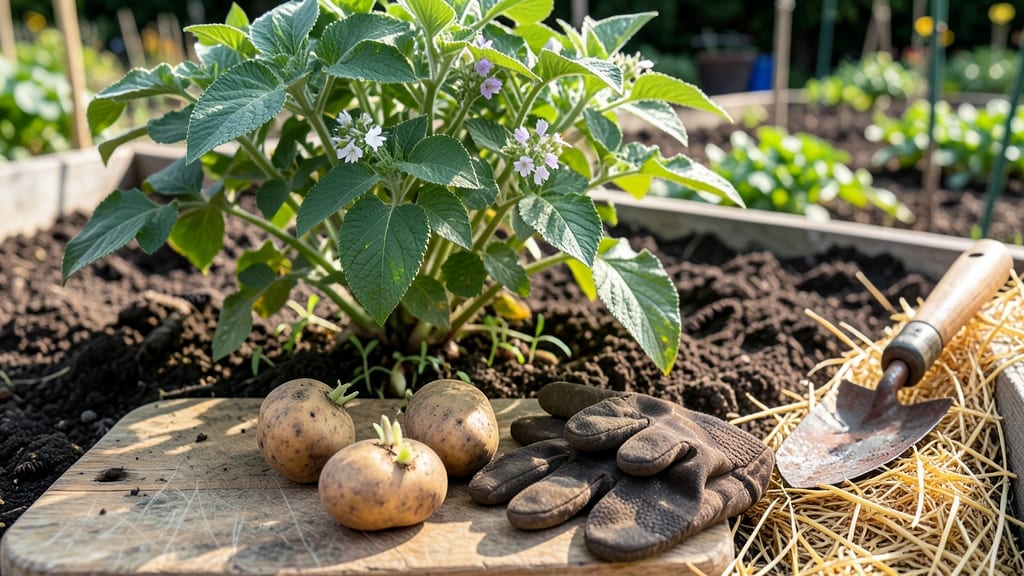
When can I plant potatoes in Zone 5b? Timing your potato planting isn't just about throwing 🥔 tubers into the ground—it's the secret to avoiding frost damage and maximizing your harvest. With last frosts hitting mid-April, you've got a narrow window to get those spuds in the soil just right, whether you're starting indoors or direct-sowing.
Most gardeners in Zone 5b make one critical mistake: waiting too long to plant. The ideal soil temperature is between 45-50°F, which typically arrives in early March for most areas in this zone. Planting too early risks frost damage, while waiting too late cuts your growing season short.
Here's what you need to know: early varieties can go in as soon as the soil is workable, while late varieties should wait until after your last frost date. I'll show you exactly how to calculate your perfect planting window using simple temperature checks and local climate data.
Once you've got the timing down, we'll cover how to choose between early and late varieties for Zone 5b's short growing season. The right variety can mean the difference between a handful of potatoes and a bushel basket full—let's get those spuds growing right!
Zone 5b potato planting dates: frost and soil temperature rules
Getting your potato planting right in Zone 5b means paying close attention to two critical factors: soil temperature and last frost dates. Unlike warmer zones, Zone 5b’s short growing season demands precision—plant too early, and frost will kill your sprouts; too late, and you’ll miss the harvest window.
The ideal time to plant is when your soil temperature consistently hits 45-50°F, usually 2-4 weeks before your last frost date.
In most of Zone 5b, that window typically opens in early to mid-April, but exact dates vary by location. For example, areas like Madison, WI or Chicago, IL might see their last frost around April 15th, while Syracuse, NY could push it to May 1st.
To pinpoint your exact date, check your USDA Plant Hardiness Zone Map or use a local frost calendar from your Cooperative Extension Service.
Here’s the golden rule: Wait until the soil warms up. Cold soil slows germination, and potatoes won’t sprout until temperatures are just right. A simple soil thermometer ($10 at garden centers) is your best friend—stick it 4 inches deep (where you’ll plant) and wait for that 45°F threshold.
Pro tip: If your soil is still chilly, consider using black plastic mulch to warm it up faster.
Another trick for Zone 5b gardeners is to plant early varieties first, followed by mid-season types a few weeks later. This staggered planting strategy extends your harvest window and reduces the risk of losing everything to a late frost.
For instance, you might plant Yukon Golds in early April and Russets in late April. This way, even if one batch gets hit by frost, the other will still thrive.
🌱 Zone 5b Potato Planting Timeline
| Stage | Action | Soil Temp | Frost Risk |
|---|---|---|---|
| Late Winter (Feb) | Chit seed potatoes indoors (optional) | N/A | High |
| Early Spring (March) | Prep soil (add compost, test drainage) | 35-40°F | Very High |
| Early April | Plant early varieties (e.g., Red Norlands) | 45°F+ | Moderate |
| Mid-April | Plant mid-season varieties (e.g., Yukon Gold) | 50°F+ | Low |
| Late April | Hill soil as vines grow (every 2-3 weeks) | 55°F+ | None |
| June-July | Harvest new potatoes (early varieties) | 60°F+ | None |
💡 Pro Tip: Use row covers for early plantings to protect against unexpected late frosts.
If you’re eager to start planting but your soil isn’t ready yet, don’t panic—you can chit your seed potatoes indoors 4-6 weeks before planting. Place them in a bright, cool spot (around 50°F) with the rose end up, and they’ll sprout sprouts (eyes) faster.
This head start gives you a 2-week advantage once the soil warms up. Just avoid letting them sprout too long—you want ½-inch sprouts, not 2-inch vines.
One common mistake in Zone 5b is rushing to plant as soon as the ground looks dry. Soil temperature and moisture work together—cold, dry soil can actually prevent germination.
Instead, aim for moist, warm soil (like a damp sponge). Water your planting area a day before you plant to ensure the soil stays
Zone 5b potato planting dates: frost and soil temperature rules
Planting potatoes in Zone 5b requires precision—your timing hinges on two critical factors: soil temperature and last frost dates. Unlike warmer zones, Zone 5b's shorter growing season demands careful planning to avoid frost damage or stunted growth.
The sweet spot? Plant when soil hits 45-50°F and 2-4 weeks before your last frost (typically mid-April in most of Zone 5b).
Why these numbers? Potatoes sprout best in cool soil but won’t tolerate freezing. If you plant too early, tubers may rot in cold, wet soil. Too late, and your harvest shrinks before frost arrives in mid-October. Use a soil thermometer to confirm readiness—this simple tool prevents costly mistakes.
Pro Tip: In colder microclimates (like northern Zone 5b), opt for early-maturing varieties (70-90 days) to maximize your harvest window. For example, 'Yukon Gold' thrives in these conditions, while 'Russet' varieties need more time and may not fully mature.
| Key Factor | Zone 5b Specification | Actionable Step |
|---|---|---|
| Soil Temperature | 45-50°F (7-10°C) | Use a soil thermometer 4" deep. Wait until consistent for 3 days. |
| Last Frost Date | Mid-April (varies ±1 week) | Plant 2-4 weeks before. Check Almanac’s Frost Calculator for your exact date. |
| Frost Protection | Risk until mid-April | Use row covers or plant in raised beds for earlier starts. |
| Harvest Window | Late July–early October | Stagger plantings every 2 weeks for continuous harvests. |
Zone 5b gardeners often ask: "Can I plant potatoes in February?" The answer is yes, but with caution. If you’re using row covers or a cold frame, you can start as early as late February.
However, soil temperatures rarely stay warm enough before March. For most gardeners, mid-March to early April is the safest window.
Another common question: "What if I miss the window?" Don’t panic! You can still plant late-season varieties in May, but expect a smaller harvest. Prioritize disease-resistant types like 'Red LaSoda', which tolerates cooler soils better than others. Just be prepared to harvest before frost hits.
Remember: Zone 5b’s short growing season (only ~165 frost-free days) means every day counts. By mastering these soil temperature triggers and frost dates, you’ll turn your potato patch into a high-yielding machine—even in cooler climates. 🌱