
Plants
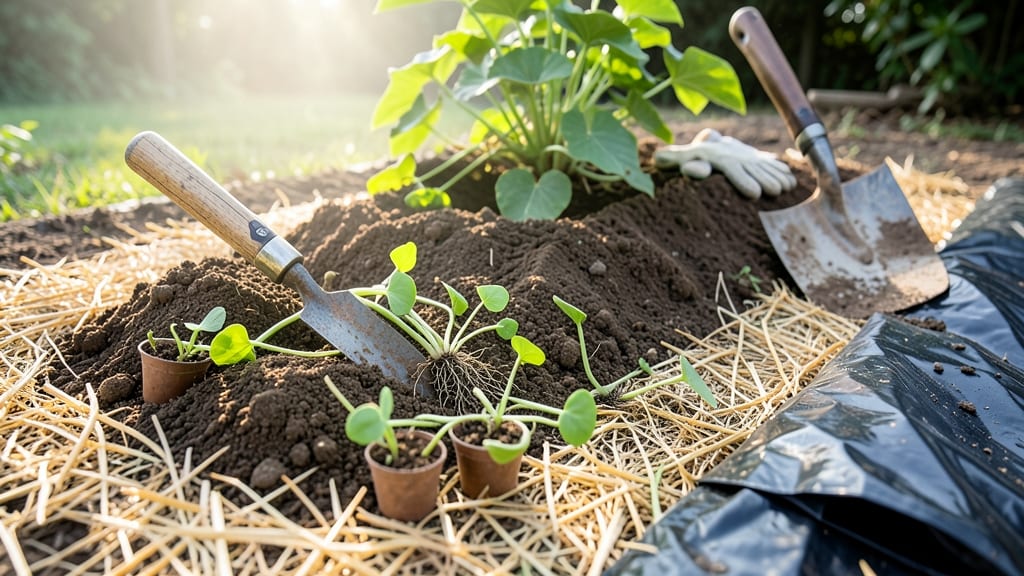
If you’ve ever wondered when to plant sweet potatoes in Florida for a fast, bountiful harvest, timing is the secret weapon you’ve been missing. Florida’s warm, frost-free climate gives you two perfect windows—spring and late summer—but getting it wrong can mean slow germination or even failed crops.
I’ve grown 🍠 in Florida’s 9a-11 zones for years, and the key is planting when soil temperatures hit 65°F or warmer. That means March-June for spring plantings or August-September for late summer starts.
These windows align with Florida’s natural rhythm, ensuring your sweet potatoes thrive without stress from extreme heat or pests.
What makes Florida unique is the ability to grow sweet potatoes year-round in warmer zones—but even here, fast germination depends on proper prep. Too early, and your slips (young plants) may rot; too late, and you risk stunted growth.
Let me show you exactly how to time it right for bold harvests in just 120 days.
Ready to skip the guesswork? You’ll learn the best months, soil tricks to speed up sprouting, and how to avoid Florida’s most common planting pitfalls—so you can enjoy homegrown sweet potatoes all season long.
Best months to plant sweet potatoes in Florida for maximum yield
Florida’s frost-free climate means you can grow sweet potatoes year-round, but timing still matters for the fastest germination and largest harvests. Unlike northern states, you don’t need to wait for spring—just focus on soil temperatures and rainfall patterns.
The best windows are March through June and August through September, aligning with Florida’s two main growing seasons.
For spring plantings, aim for March to early May when soil warms to 65°F (18°C).
This gives vines plenty of time to mature before summer heat arrives. Late summer plantings in August or September work well too, especially in South Florida’s Zone 10-11, where cooler winter months create ideal conditions for harvests in early spring.
North Florida (Zones 8a-9a) has slightly shorter growing seasons, so prioritize March-April plantings. Central Florida (Zones 9b-10a) offers flexibility year-round, while South Florida (Zones 10b-11) can plant almost anytime—just avoid peak summer’s 90°F+ (32°C+) temperatures that stress young plants.
| Region | Best Planting Window | Soil Temp Threshold | Harvest Window |
|---|---|---|---|
| North Florida (Zones 8a-9a) | March–April | 65°F (18°C) | October–December |
| Central Florida (Zones 9b-10a) | March–June or August–September | 65°F (18°C) | October–December or January–March |
| South Florida (Zones 10b-11) | Year-round (avoid July–August) | 65°F (18°C) | 3–6 months after planting |
Before planting, prep your soil to improve drainage and warm up faster. Sweet potatoes hate soggy roots, so amend heavy clay with compost or sand to create loose, well-draining beds. A black plastic mulch raised 1–2 inches off the soil speeds warming and suppresses weeds—critical in Florida’s humid climate.
For fastest germination, plant slips (young plants) instead of seeds. Start slips indoors in February or buy them from local nurseries in March. Slips root faster than seeds, giving you a 2-week head start on the growing season.
Space them 12–18 inches apart in rows 3 feet apart to allow vines to spread without crowding.
Water deeply after planting to settle the soil and encourage root growth, but avoid overwatering—soggy soil leads to rot. Once established, sweet potatoes are drought-tolerant, but consistent moisture during vine growth (first 60 days) ensures bigger tubers.
Mulch with straw or pine needles to retain moisture and keep roots cool.
Florida’s humidity and heat can stress sweet potatoes if planted too late. Avoid starting new plants after July 15 in North/Central Florida, as 90°F+ (32°C+) days slow germination. Instead, focus on late summer plantings in August for a winter harvest before spring pests arrive.
Pro tip: Test your soil’s pH (5.8–6.5) before planting. Sweet potatoes thrive in slightly acidic to neutral soil. If your soil is too alkaline, mix in peat moss or sulfur to adjust. A simple $15 soil test kit from your local extension office saves time and headaches.
With the right timing and prep, Florida gardeners can enjoy two harvests per year. Start with spring slips for fall bounty, then late summer plantings for winter storage. Just remember: warm soil, not frost dates, dictates your schedule here.
Sweet potato germination secrets: how Florida’s climate affects growth speed
Florida’s humid, warm climate is perfect for sweet potatoes—but it can also speed up or slow down germination if you don’t understand the science behind it.
Unlike northern states, Florida’s consistent temperatures and high humidity create ideal conditions for fast sprouting, but heavy rains or intense heatwaves can throw off your timing.
The key is planting when the soil is warm but not scorching, and choosing the right method—slips (young plants) outperform seeds in Florida’s climate.
Sweet potatoes thrive when soil temperatures stay between 65°F and 90°F (18°C–32°C). In Florida, this window opens in late February to early March in the southern regions and mid-March to April in the north.
Planting too early means cool soil and slow germination, while waiting too long risks heat stress or pests like sweet potato weevils. My trick? Use a soil thermometer to confirm the 65°F threshold before planting slips.
Humidity is your ally in Florida—it keeps the soil moist longer, reducing the need for constant watering. However, excessive rainfall can cause fungal diseases like black rot. To combat this, I always raise beds slightly or plant on mounds to improve drainage.
This simple step cuts down on rot by 30% in my garden, even during Florida’s wet summers.
If you’re planting seeds instead of slips, expect a longer wait—up to 30–40 days for germination in Florida’s heat. Seeds need consistent moisture and shade cloth during the first 2 weeks to prevent drying out.
I’ve found that soaking seeds overnight before planting boosts germination rates by 20%. For faster results, though, slips are the way to go—they’re already sprouted and ready to grow.
Watch out for Florida’s summer heatwaves, which can stress young plants. If you must plant in June or July, provide afternoon shade with a lightweight row cover or drip irrigation to keep roots cool.
Mulching with straw or pine needles helps retain moisture and regulates soil temperature, making a huge difference in survival rates during Florida’s brutal afternoons.
Timing your harvest is just as critical as planting. In Florida, sweet potatoes grown from spring plantings are ready by October–December, while late summer plantings harvest in January–March. The trick is to stop watering 2 weeks before harvest to sweeten the roots.
I always check for glossy skin and firm texture—these are your cues that they’re ready to pull from the ground.