
Companion Plants
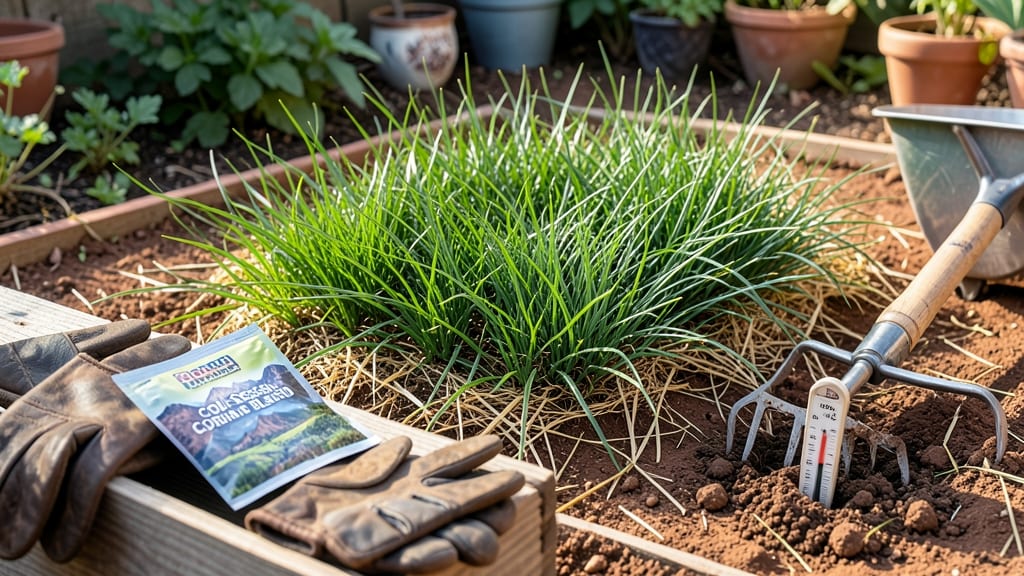
Timing your grass seed planting in Colorado can make or break your lawn’s success—get it wrong, and you’re staring at patchy grass or wasted seed. With USDA zones 3-7 and elevations from 5,000 to 10,000 feet, Colorado’s climate demands precision.
Most gardeners swear by early spring (March-April) or early fall (August-September), but your exact window depends on where you live. Front Range areas like Denver can start planting by mid-March, while mountainous regions might wait until late April or even May to avoid frost.
Soil temperature is the real game-changer—wait until it hits at least 50°F for those tiny seeds to sprout. Too cold, and your lawn stays bare; too late, and summer droughts can stress new growth before it takes hold.
Let’s break down the best planting times for your specific elevation zone, plus pro tips to ensure your 🌱 grass seed thrives from the first green shoot. Ready to transform your yard?
Colorado grass seed planting dates by elevation zone (2024 guide)
Colorado’s diverse elevations—from the Front Range to the Rocky Mountains—create wildly different planting windows for grass seed. At 5,000ft, your ideal window might be March, while at 9,000ft, you’ll wait until May.
Understanding your USDA Zone (3-7 in Colorado) and soil temperature thresholds (50°F minimum) is key to avoiding frost damage or drought stress.
Most Colorado gardeners focus on cool-season grasses like Kentucky bluegrass and fescue, which thrive in our climate. These grasses establish best when soil temperatures hover between 50°F and 65°F.
If you’re in the Eastern Plains (Zone 4-5), your window might start in early April, while Western Slope areas (Zone 5-6) often wait until late April or early May.
Here’s a quick reference for your elevation zone to avoid common mistakes like planting too early (risking frost) or too late (facing summer drought).
🌱
For fall planting, aim for August 1–September 15 in most zones. This gives seedlings time to establish roots before the first frost. In Zone 4 (Eastern Plains), you might push it to early October, but avoid planting after September 30 in higher elevations to prevent winter kill.
Use a soil thermometer to confirm readiness—50°F is the magic number for germination. If your soil is colder, wait 1–2 weeks or use a black plastic mulch to warm it faster. Pro tip: Check Colorado State University Extension for localized frost data, as microclimates can shift dates by weeks.
In urban areas like Denver or Colorado Springs, heat islands can push planting dates 1–2 weeks earlier than rural zones. If your yard feels like an oven by noon, start seeding in late February for cool-season grasses to beat the summer heat.
Always test your soil for pH (ideal: 6.0–7.5) and amend with compost or lime if needed. Rocky Colorado soil drains fast—mix in 1–2 inches of topsoil or use hydro-mulch to retain moisture during germination.
If you’re unsure about your elevation’s frost dates, use the Almanac’s Frost Calculator (free online) and adjust your timeline by 2–4 weeks for safety. Remember: Early spring planting risks frost, while late summer planting risks drought—balance is key!
How to adjust planting timing for Colorado’s microclimates and grass types
Colorado’s diverse landscapes mean your grass seed timing should match your elevation zone and grass type. Cool-season grasses like Kentucky bluegrass and fescue dominate Front Range lawns, while buffalo grass thrives in drier, lower-elevation areas.
Each type has its own ideal planting window—cool-season grasses prefer early spring or fall, while warm-season varieties like bermudagrass wait for summer heat.
Urban areas like Denver face heat islands, where pavement raises temperatures by 5-10°F—this can push planting dates 2-3 weeks earlier than rural zones. Meanwhile, late-spring snowpack in the Rocky Mountains may delay your window until late May or June.
Always check your local USDA Plant Hardiness Zone (Colorado spans zones 4-7) for precision.
For cool-season grasses, aim to plant 4-6 weeks before your first frost in fall or after the last frost in spring. In Denver (zone 5), that’s mid-August to early September for fall or mid-April to May for spring.
In Grand Junction (zone 6), warm springs may allow planting as early as late February, but soil temps must stay above 50°F.
Warm-season grasses like bermudagrass or zoysia need warmer soil (65°F+) and thrive when planted in late spring to early summer. These types are rare in Colorado but work well in southern Colorado’s lower elevations.
If you’re planting buffalo grass (a drought-tolerant native), wait until mid-May to avoid frost damage.
Here’s how to adjust for your microclimate: Check if your yard gets extra sun from buildings (urban heat) or shade from trees (cooler microclimate). Shady spots can delay planting by 1-2 weeks since soil warms slower.
Use a soil thermometer to confirm temps—50°F for cool-season and 65°F for warm-season are your green lights.
Pro tip: If you’re unsure about your last frost date, consult your local Colorado State University Extension office. They provide hyper-localized frost data and can recommend grass varieties tailored to your county. For example, tall fescue outperforms Kentucky bluegrass in dry, high-elevation areas like Colorado Springs.
🌱 Cool-Season Grasses (Best for Colorado)
- Thrives in 50-75°F soil
- Handles Colorado’s cold winters
- Fast establishment (14-21 days)
- Goes dormant in summer heat
- Needs regular watering
- Susceptible to fungal diseases in wet springs
☀️ Warm-Season Grasses (Southern Colorado)
- Stays green in summer
- Drought-tolerant once established
- Low maintenance needs
- Needs 75-90°F soil to germinate
- Goes brown in winter
- Slower establishment (28+ days)
🌵 Native Grasses (Buffalo, Blue Grama)
- Zero irrigation once established
- Supports local wildlife
- Handles alkaline soil common in CO
- Slower growth rate
- Less dense coverage than fescue
- Not ideal for high-traffic areas
For high-elevation areas (7,000ft+), like Aspen or Breckenridge, delay planting until late May or June to avoid late frosts. These zones often see soil temps below 50°F until then.
If you’re in zone 4 (Western Slope), consider hardy fescue mixes—they tolerate cooler soils and dry spells better than Kentucky bluegrass.
Final tip: If you’re planting in <